
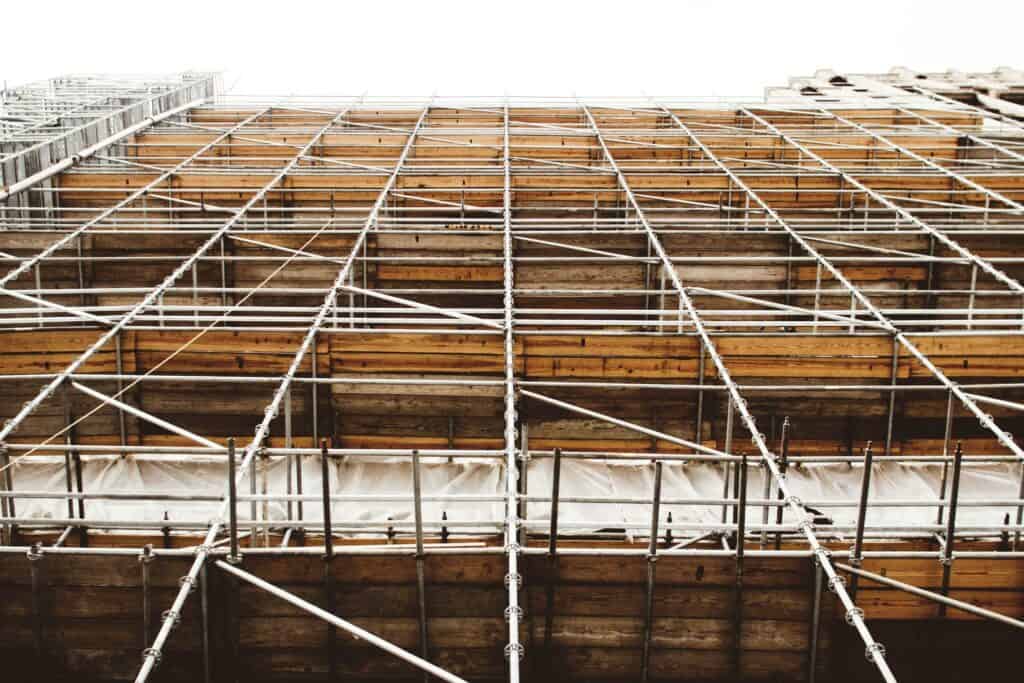
Whether you’re turning a Victorian terrace into a modern loft or adding a new extension to a family home, a scaffold is the unsung hero of any major renovation. But while the steel frame lets you reach new heights, it can also bring a wave of noise, dust, and visual clutter that spreads far beyond your property line. Good scaffolding etiquette isn’t just about keeping the site tidy—it’s about preserving good relationships with the people who live next door, protecting your reputation, and even avoiding costly disputes.
In this post we’ll walk you through a step‑by‑step plan for managing neighbours while a scaffold is up, covering everything from pre‑work communication to the day‑to‑day “courtesy checklist” that keeps the peace.
1. Why Scaffolding Etiquette Matters
| Reason | What Happens If You Ignore It |
|---|---|
| Neighbour goodwill | Complaints can turn into formal grievances, legal action, or a hostile community environment. |
| Project timeline | Delays caused by neighbour complaints or inspections can add weeks (or months) to your build. |
| Reputation | Builders and developers rely on word‑of‑mouth; a single noisy site can tarnish your brand. |
| Legal obligations | Local planning authorities often have noise‑control and site‑access rules that are enforced via complaints. |
In short: a well‑behaved scaffold protects your project, your budget, and your social capital.
2. The Pre‑Build Playbook – Set the Stage Before the First Pole
2.1. Map Out the Site and the Impact Zone
- Create a simple site plan – Show where the scaffold will sit, its height, and the perimeter it will occupy.
- Identify “sensitive spots” – Direct sunlight onto neighbours’ gardens, block views, or restrict access to shared pathways.
- Check local regulations – Many councils require a scaffolding permit that includes a “public safety and amenity” assessment.
2.2. The Courtesy Letter (or Email)
A short, friendly note works wonders. Include:
- Project overview – “We’re adding a second‑storey extension to 12 Oak Street.”
- Scaffold details – Height, expected footprint, and anticipated start/finish dates.
- Contact information – Name of the site manager, phone number, and an email address for immediate concerns.
- Assurance statements – “We will keep the site clean, minimise noise after 7 pm, and ensure safe pedestrian access.”
Tip: Hand‑deliver the letter or leave it in a sealed envelope on the neighbour’s door. Personal touches (a small “thank you” note, a coffee voucher) can soften the inevitable inconvenience.
2.3. Offer a Quick Site Tour
Invite neighbours to a brief walk‑through before work begins. This does three things:
- Visual reassurance – They see the safety measures and understand the layout.
- Open dialogue – They can voice concerns up front, allowing you to adapt the plan.
- Build trust – Transparency signals that you respect their peace of mind.
3. Daily Scaffolding Etiquette – The “Neighbour‑Friendly Checklist”
| ✅ Action | Why It Matters | How to Implement |
|---|---|---|
| Keep the scaffold tidy | Reduces visual clutter and the perception of a “messy” site. | Sweep debris each evening, store tools in lockable containers. |
| Control dust | Dust can infiltrate nearby homes and gardens. | Use dust screens, water down the site during dry, windy days. |
| Manage noise | Construction noise is the biggest complaint. | Schedule noisy tasks (jackhammers, sawing) between 8 am‑6 pm; use “quiet hours” after 6 pm. |
| Secure lighting | Bright lights can disturb sleeping neighbours. | Use directional, low‑glare LED lights; dim them after 10 pm. |
| Maintain safe pedestrian routes | Blocked sidewalks cause frustration and liability. | Keep a clear, well‑marked walkway at least 1.2 m wide. |
| Limit heavy vehicle traffic | Large trucks can damage driveways and cause congestion. | Use low‑load delivery times (early mornings) and avoid double‑parked vehicles. |
| Communicate changes promptly | Unexpected alterations can cause confusion. | Send a quick text or email if the scaffold needs to be moved or if you anticipate extra days on site. |
Quick printable version: Download the Scaffolding Etiquette Checklist (PDF). Print it, stick it on the site office, and tick boxes daily.
4. Communication Is a Two‑Way Street
4.1. Designate a “Neighbour Liaison”
Give a single point of contact (often the site manager) the responsibility to field queries. This prevents mixed messages and ensures quick responses.
4.2. Set Up a Simple Reporting System
- Paper log – A notebook at the site office where neighbours can write concerns.
- Digital form – A QR code on a small sign that links to a Google Form; the data goes straight to your inbox.
Response SLA: Aim to acknowledge any complaint within 2 hours and resolve it within 24 hours. Even if you need more time, a quick “We’ve received your note and are looking into it” goes a long way.
4.3. Regular Updates
Send a short weekly “Progress & Impact” email (or a printed flyer) that includes:
- What work was done that week.
- Any upcoming activities that might affect neighbours (e.g., “Next Tuesday we’ll be delivering a 5‑ton crane”).
- Reminder of the liaison’s contact details.
5. Handling the “I’m Getting Too Much Dust!” Scenario
Step 1 – Verify
Walk the neighbour’s property with a dust meter or simply inspect the area.
Step 2 – Mitigate
- Install additional dust barriers on the side facing the neighbour.
- Increase water spray frequency (e.g., from every 30 min to every 15 min).
Step 3 – Document
Take before/after photos, log the extra measures, and forward a brief note to the neighbour showing you took action.
Step 4 – Escalate if Needed
If the neighbour threatens legal action, involve your insurer and share the documented steps. Most councils will accept evidence of proactive mitigation.
6. Legal & Regulatory Nuggets (Don’t Forget These)
| Regulation | What It Means for Your Scaffold |
|---|---|
| Planning Permission / Building Notice | Often includes a “Scaffolding Licence” that stipulates maximum height and distance from boundaries. |
| Noise Control Regulations (e.g., UK’s Control of Noise at Work Regulations) | Limits on average noise levels (LAeq) over a 15‑minute period, especially in residential zones. |
| Health & Safety at Work Act | Requires “reasonable steps” to protect neighbours from foreseeable risks (e.g., falling debris). |
| Local Council “Amenity” Orders | May impose a “quiet period” (e.g., no noisy work after 7 pm) and a “dust‑control notice”. |
Pro tip: Keep copies of all permits, noise‑monitoring logs, and neighbour‑communication records on the site office. If a council inspector drops by, you’ll have everything at hand.
7. When Things Go Wrong – Damage Control
Even with the best etiquette, accidents happen (a fallen scaffold board, a dust‑laden wind gust, a blocked driveway). Here’s a rapid‑response framework:
- Apologise immediately – A sincere apology diffuses tension.
- Assess and document – Take photos, note the time, identify the cause.
- Offer a remedy – If a garden fence is knocked, arrange a professional repair within a set timeframe.
- Follow‑up – Confirm the neighbour is satisfied once the fix is complete.
A transparent, solution‑oriented approach often turns a complaint into a compliment.
8. The “Good Neighbour” Bonus – Small Gestures That Pay Off
| Gesture | Impact |
|---|---|
| Free coffee or a “thank you” cake on the first day | Shows you’re aware of the inconvenience. |
| Seasonal gifts – e.g., a small potted plant after the scaffold comes down. | Leaves a lasting positive impression. |
| Invite neighbours to the “unveiling” – A short celebration once the work is complete. | Turns the project into a community event. |
You don’t need a grand gesture; consistency in small, thoughtful actions builds goodwill that can smooth over any future hiccups.
9. Checklist for the End of the Project
- Dismantle scaffold safely and leave the area clean.
- Remove any temporary signage or barriers.
- Conduct a final walk‑through with neighbours; ask for feedback.
- Provide a brief “Project Summary” (photos before & after, a note of thanks).
- Update your insurance file with the final site photographs.
Finish strong, and you’ll leave the neighbourhood not just unscathed, but a little better than you found it.
10. TL;DR – Your 7‑Point Scaffolding Etiquette Cheat Sheet
- Send a courtesy letter before work starts.
- Offer a quick site tour to show safety measures.
- Keep the scaffold tidy, dust‑controlled, and noise‑friendly daily.
- Designate a single liaison and respond to concerns within 24 hours.
- Provide weekly updates on progress and upcoming activities.
- Document every mitigation (dust screens, extra cleaning) in case of complaints.
- Finish with a thank‑you gesture and a clean‑up walk‑through.