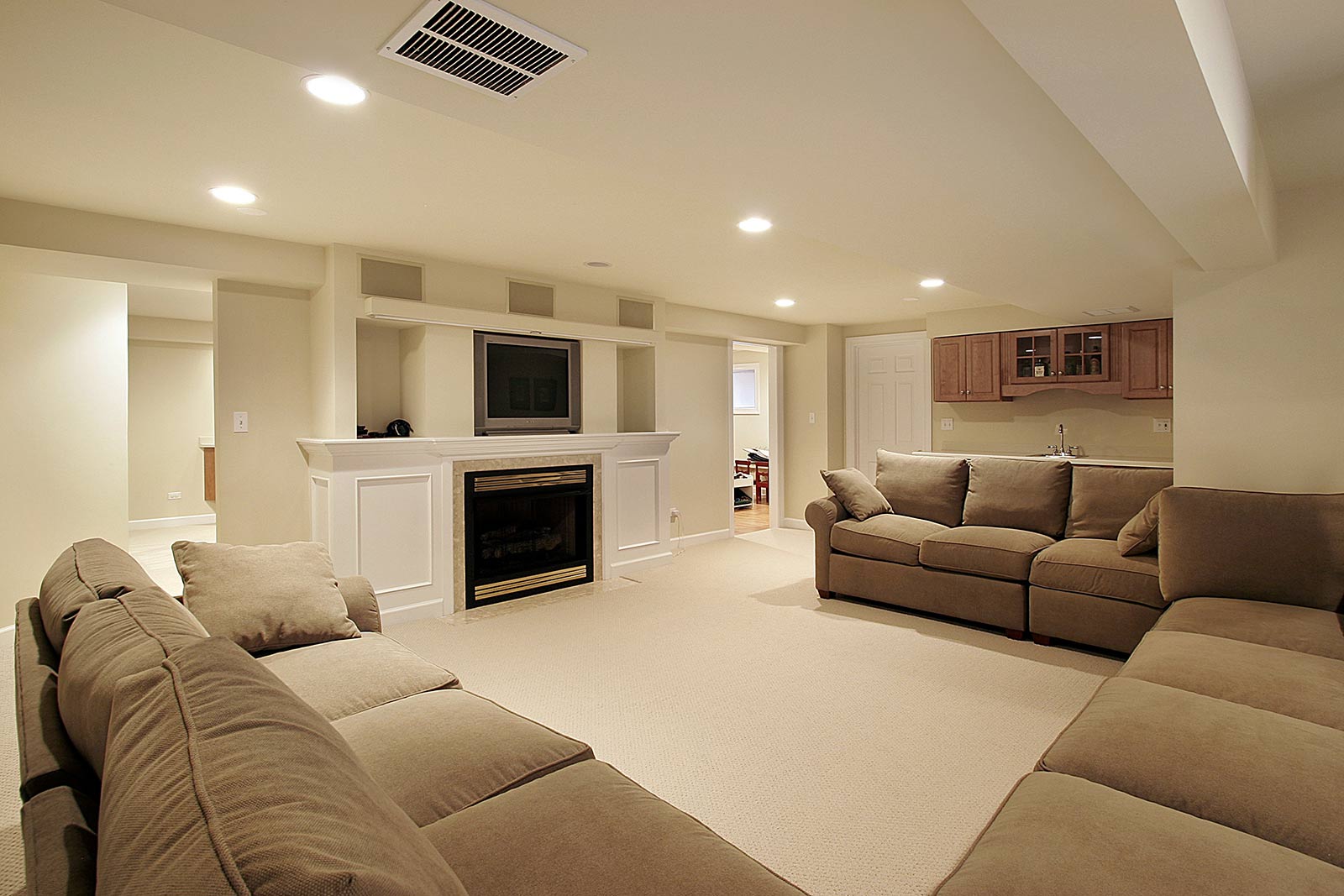
In the world of property development, there is a famous golden rule: “Don’t move, improve.”
As property prices climb and the cost of moving house—stamp duty, legal fees, and agent commissions—soars, many homeowners are looking toward untapped potential. If you’ve run out of space to build out or up, it’s time to start looking down.
Basement conversions—specifically “dig-downs” or subterranean extensions—are the ultimate luxury. They can effectively double your living space without changing the footprint of your home. But is digging down actually worth the investment? Let’s break down the realities of going underground.
The Allure: Why Dig Down?
The primary driver for basement conversions is usually space. In urban areas like London, New York, or any major city, ground space is at a premium. Extending into the garden often isn’t an option, and loft conversions are limited by roof pitch and head height.
A basement conversion offers a “blank canvas.” Because you are creating a new structure from scratch, you have total control over the layout, ceiling height, and lighting. Popular uses include:
- Media rooms and home cinemas (perfect for soundproofing).
- Home gyms or wellness suites.
- Wine cellars or formal dining areas.
- Self-contained guest suites or rental apartments (a great way to generate passive income).
The Reality: What Does It Cost?
Let’s be honest: digging down is the most expensive way to add square footage to a home. Unlike a side return or a loft conversion, basement work involves heavy engineering.
You aren’t just building walls; you are dealing with underpinning existing foundations, tanking (waterproofing) the structure, excavation, waste removal, and complex drainage systems.
Costs can vary wildly depending on your location, soil type, and the complexity of the excavation. Generally, you should expect to spend significantly more per square foot than you would for an above-ground extension.
The Challenges: It’s Not Just About Digging
Before you grab a shovel, consider the hurdles:
- Waterproofing (Tanking): This is the single most important element. Even a tiny leak can ruin your investment. You need a professional-grade structural waterproofing system, not just a coat of paint.
- Light and Air: Creating a “dungeon-like” atmosphere will devalue your home. Incorporating light wells, glass floor panels, or clever courtyards is essential to making the space feel like a natural extension of the home.
- Party Wall Agreements: If you live in a terraced or semi-detached house, excavating near foundations will trigger a Party Wall Agreement. This involves legal costs and potentially a surveyor’s fee to protect your neighbors’ property.
- Planning Permission: While some minor conversions fall under “permitted development,” major structural excavations almost always require planning permission.
The Big Question: Does it Add Value?
The “worth it” factor depends entirely on your neighborhood.
If your property is in a high-value area where the price per square foot is significantly higher than the cost of construction, then yes, it is absolutely worth it. You could add 10%–20% to the value of your property while enjoying the extra space for years.
However, if you live in an area with a “ceiling price” (the maximum price properties in that neighborhood can reach), a basement conversion might not return its full cost upon resale. In this case, the value is experiential—the joy of having a home cinema or a gym outweighs the financial ROI.
Is It Right for You?
Digging down is a high-stakes, high-reward project. It is not for the faint of heart, nor for those on a tight budget. It requires expert structural engineers, experienced contractors, and a significant amount of patience.
Our verdict? If you plan on staying in your home for the next 5–10 years and are desperate for more space in a location you love, a basement conversion is a transformative investment. Just remember: measure your budget twice, hire the best professionals you can afford, and always, always prioritize the waterproofing.
Thinking about digging down? Start by commissioning a feasibility study from a basement specialist. It’s the best way to determine if your soil and foundations are up to the task before you commit to the big dig.