
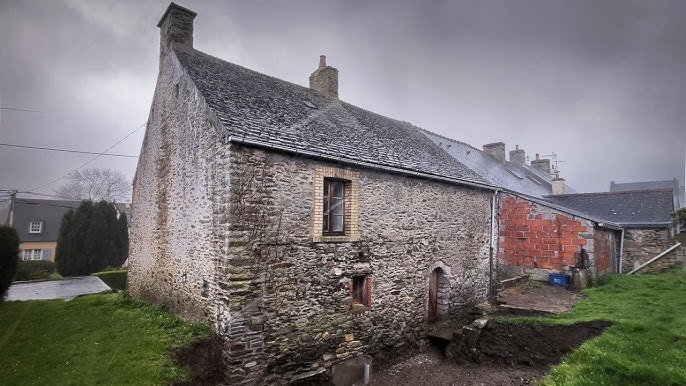
Owning a property with historic stone walls is a dream for many—it offers character, thermal mass, and a tangible connection to the past. However, these structures come with a unique set of challenges, the most persistent being dampness.
Unlike modern cavity walls designed to repel water, traditional stone masonry is “breathable.” When this natural equilibrium is disrupted, humidity builds up, leading to mold, crumbling mortar, and a chilly living environment. Here is how to diagnose and solve moisture issues in heritage masonry.
Understanding the “Breathability” Concept
Traditional stone walls were built using porous materials like limestone, sandstone, and lime mortar. They function like a sponge: they absorb moisture from the environment and release it when conditions improve.
The Dampness Trap: Problems usually arise when modern, non-breathable materials are introduced. If you cover a stone wall with cement render, gypsum plaster, or vinyl wallpaper, you trap moisture inside the stone. This “suffocation” leads to rising or penetrating damp that has nowhere to go but into your living space.
Effective Solutions for Damp Management
To fix a damp stone wall, you must move away from “sealing” and toward “managing” moisture flow.
1. Prioritize Lime-Based Materials
If your mortar is crumbling, avoid the temptation to use modern Portland cement. Cement is too rigid and waterproof for old stone. Instead, use Natural Hydraulic Lime (NHL) for repointing. Lime mortar allows moisture to evaporate through the joints rather than forcing it through the face of the stone, which prevents “spalling” (surface chipping).
2. Advanced Ventilation Strategies
In old houses, stagnant air is the enemy. You need to ensure constant air exchange without creating uncomfortable drafts:
- Passive Vents: Ensure sub-floor air bricks are clear of debris to allow air to circulate under floorboards.
- PIV Systems: A Positive Input Ventilation (PIV) system sits in the loft and gently pushes filtered, dry air throughout the house, creating a slight positive pressure that forces moist air out.
- Heat Recovery Fans: For kitchens and bathrooms, use Decentralized Mechanical Extract Ventilation (dMEV) with heat recovery to extract steam without losing all your indoor warmth.
3. Manage the External Environment
Sometimes the solution isn’t in the wall, but around it.
- Lower the Ground Level: Over decades, garden soil or paths often rise above the original internal floor level. This allows water to bridge directly into the masonry. Aim for a gap of at least 150mm between the ground and your internal floor.
- French Drains: Installing a gravel-filled trench (French drain) around the perimeter can divert hydrostatic pressure away from the foundations.
Comparison: Modern vs. Traditional Approaches
| Feature | Modern Solution (Avoid) | Traditional Solution (Recommended) |
| Mortar | Portland Cement (Hard/Brittle) | Lime Mortar (Flexible/Breathable) |
| Internal Finish | Gypsum Plaster & Vinyl Paint | Lime Wash or Clay-based Paints |
| Damp Proofing | Chemical Injection DPC | Improving Drainage & Airflow |
| Insulation | Closed-cell Foam Boards | Wood Fiber or Cork Boards |
The Verdict: Work With the Building, Not Against It
The secret to a dry stone home is evaporation. By removing impermeable barriers and encouraging airflow, you allow the stone to perform its natural regulatory function. Not only will this preserve the structural integrity of the building, but it will also create a significantly healthier indoor climate for the occupants.
Pro Tip: Always check your gutters. A single leaking downpipe can saturate a stone wall to the point where no amount of internal ventilation will fix the problem.