
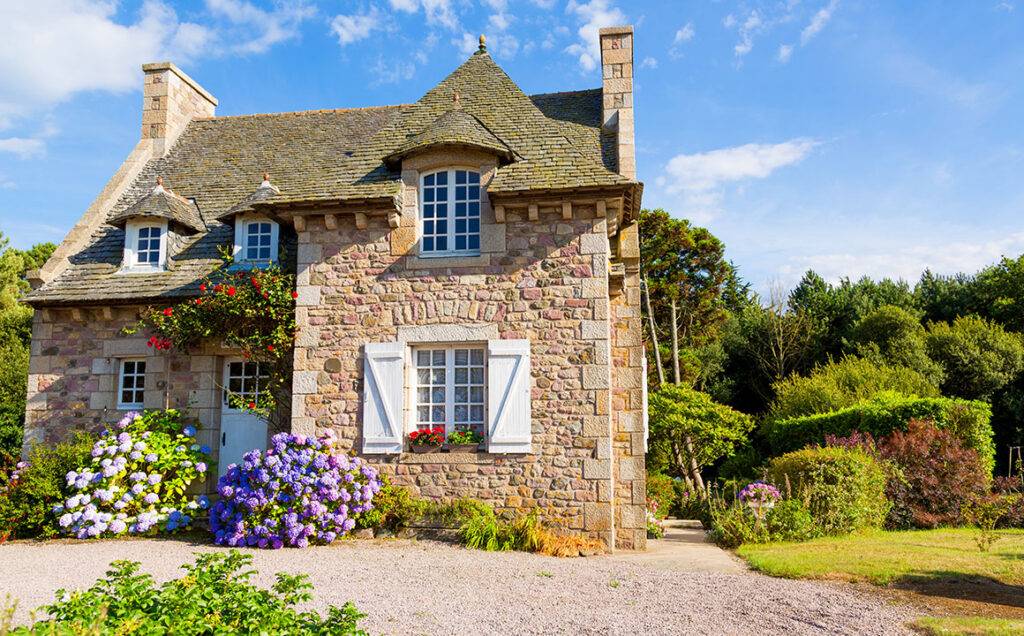
The British concept of “cozy” goes far beyond simple comfort. It is an atmospheric philosophy—a blend of history, heritage, and a slight touch of lived-in chaos. Known globally as Cottagecore or English Country Style, this aesthetic focuses on creating a sanctuary that feels protected from the damp, grey mists of the outside world.
Whether you live in a stone cottage or a modern apartment, here is how to infuse your space with the “Cozy Core” essence.
1. The Color Palette: Nature’s Subdued Tones
A truly British cozy interior avoids harsh whites and neon brights. Instead, look to the landscape for inspiration:
- Sage Greens and Moss: To bring the rolling hills indoors.
- Dusty Pinks and Terracotta: For a sense of warmth and clay.
- Deep Navy or Ochre: For “snug” rooms (smaller, darker spaces meant for reading or tea).
The Secret: Use “Off-Whites” (like cream or buttermilk) for ceilings and trim to soften the transition between walls and light.
2. Layering Textiles: The More is More Approach
In a British interior, a sofa is not complete unless it is buried under layers of fabric. This is functional—old houses are drafty—but it also creates visual softness.
- Wool and Tweed: Incorporate herringbone or plaid throws for a nod to traditional tailoring.
- Velvet: A heavy velvet curtain in a rich jewel tone can instantly make a room feel expensive and warm.
- The “Mismatched” Rule: Don’t buy a matching set. Pair a floral linen cushion with a striped wool rug. The goal is a room that looks like it was “collected” over decades, not bought in a day.
3. Lighting: Avoid the “Big Light”
If there is one rule in the Cozy Core handbook, it is this: Never turn on the main ceiling light. * Ambient Layers: Use a mix of floor lamps, table lamps with fabric shades, and wall sconces.
- Warmth is Key: Use bulbs with a “warm white” temperature (around 2700K).
- The Glow of Fire: If you don’t have a real fireplace, candles (especially beeswax or wood-scented) provide the flickering, organic light essential for a British evening.
4. The “Cluttered” Soul: Books and Botanicals
Minimalism is the enemy of Cozy Core. A home should tell a story through its objects.
- Styled Shelves: Books should be displayed prominently—preferably with worn spines. Mix them with vintage ceramics or “found” objects like pinecones or dried flowers.
- Indoor Gardens: Bring in potted ferns, geraniums, or dried lavender. Wicker baskets are the perfect vessels for plants to hide plastic pots.
- Wall Art: Create a “gallery wall” featuring botanical prints, old maps, or oil paintings in gilded, slightly tarnished frames.
Comparison: Minimalism vs. Cozy Core
| Feature | Modern Minimalism | British Cozy Core |
| Windows | Bare or simple blinds | Heavy drapes and linen “café” curtains |
| Flooring | Polished concrete or pale wood | Reclaimed oak or layered rugs (Jute + Persian) |
| Furniture | Sharp edges and metal | Rolled-arm sofas and wooden antiques |
| Vibe | “Clean and Sterile” | “Safe and Enveloped” |
The Final Touch: The “Snug” Mentality
To achieve the ultimate Cozy Core, designate one area as your “snug.” This doesn’t need to be a whole room; it can be a window seat or a corner armchair. The key is to surround this spot with everything you need for a rainy afternoon: a small side table for tea, a soft lamp, and a basket of blankets.
Design Tip: To ground a room, always include something old. A vintage wooden trunk or a thrifted brass tray adds a sense of “gravity” that new furniture simply cannot provide.