
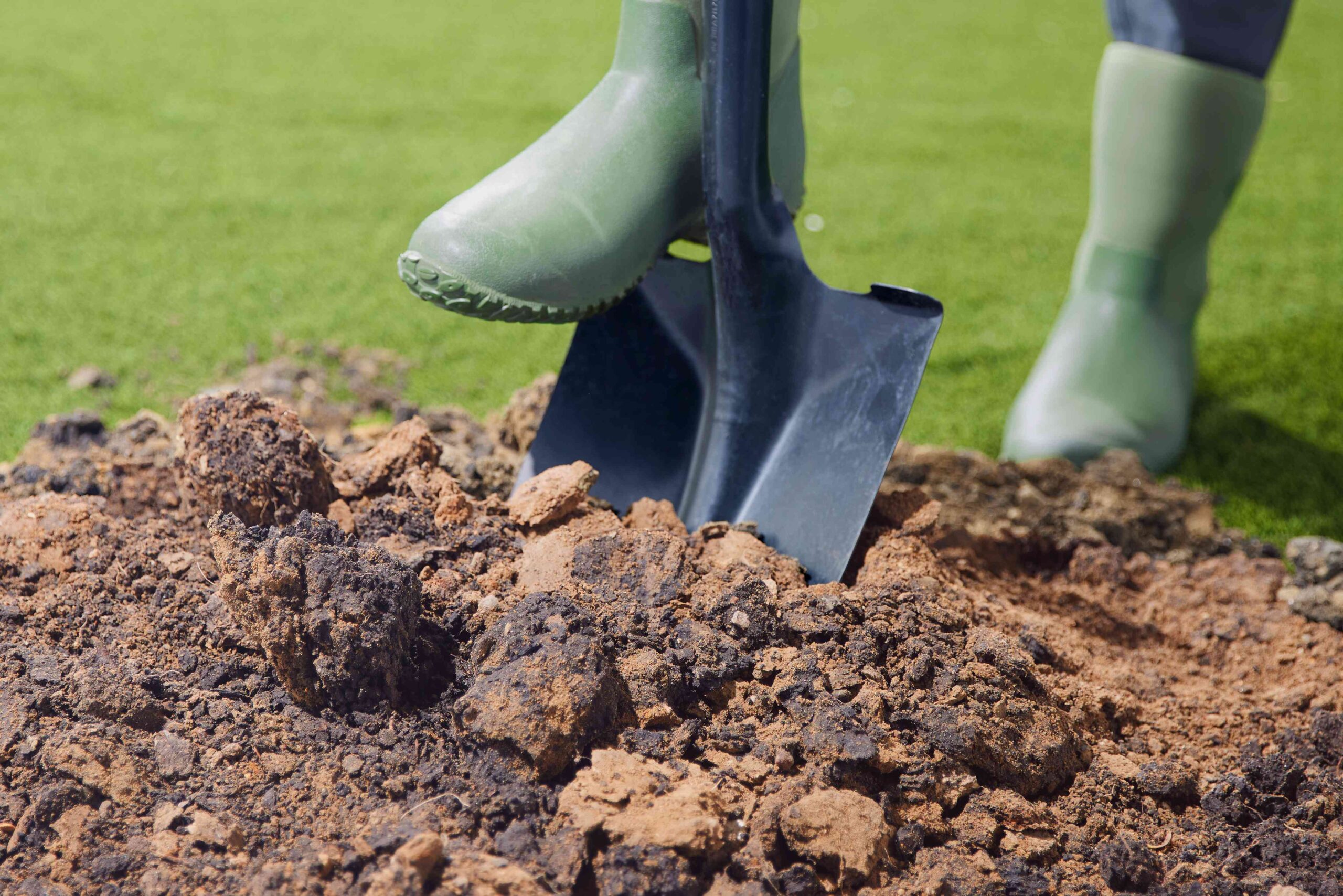
In the world of construction, the soil is more than just a surface—it is the silent partner of your home’s foundation. While solid rock or gravel provides a predictable base, clay and peat are among the most difficult substrates an engineer can encounter. These “problematic” soils require specialized groundwork strategies to prevent the catastrophic structural failures often associated with shifting or sinking ground.
The Two Troublemakers: Clay vs. Peat
While both soils cause headaches for builders, they do so for very different reasons:
- Expansive Clay: Often called “living soil,” clay changes volume based on its moisture content. It swells significantly when wet and shrinks when dry, creating a cycle of heave and subsidence that can snap concrete slabs and tear through brickwork.
- Compressible Peat: Peat is organic, spongy, and highly waterlogged. Its main issue is compressibility. It has almost no load-bearing capacity and can decompose over time, causing a building to sink unevenly (differential settlement) or even tilt.
Foundation Solutions for Clay Soils
The goal with clay is to bypass the “active zone”—the upper layer of soil that expands and contracts with the seasons.
1. Pile Foundations (Driven or Helical)
The most reliable method for clay involves driving steel or concrete piles deep into the earth until they reach a stable, non-reactive layer. Helical (screw) piles are particularly effective; they anchor the house below the movement zone, ensuring the structure remains level regardless of surface moisture changes.
2. Waffle Mat Slabs
A “waffle mat” is a reinforced concrete slab with a grid of voids on the underside. These voids provide space for the clay to expand into without lifting the entire house, effectively absorbing the upward pressure of the soil heave.
3. Post-Tensioned Slabs
Common in high-clay areas, these slabs are reinforced with high-strength steel cables that are tensioned after the concrete cures. This creates a rigid “monolithic” raft that allows the entire house to move as a single unit, preventing localized cracking.
Engineering Strategies for Peat Soils
Because peat is so unstable, the groundwork is often more intensive and may require “ground improvement” before a foundation is even poured.
1. Soil Replacement (The “Dig and Dump” Method)
If the peat layer is shallow (less than 2–4 meters), the most straightforward solution is to excavate it entirely and replace it with compacted structural fill, such as crushed stone or engineered sand.
2. Piled Raft Foundations
For deeper peat deposits, a hybrid approach is used. A large concrete raft (slab) is supported by a network of piles. The piles transfer the weight to firm ground deep below, while the raft provides a stiff platform to resist any minor settlement in the upper layers.
3. Ground Stabilization
In some cases, chemical stabilizers like lime or cement are injected or mixed into the peat to increase its shear strength. Alternatively, pre-loading (placing heavy weights on the site for months) can force the peat to compress and stabilize before construction begins.
Comparison: Key Considerations
| Soil Type | Primary Risk | Best Foundation | Groundwork Cost |
| Clay | Swelling/Shrinking | Helical Piles / Waffle Slab | Moderate to High |
| Peat | Subsidence / Sinking | Deep Piling / Excavation | High to Very High |
Essential Expert Advice
Before breaking ground on these soil types, a Geotechnical Site Investigation is non-negotiable. A professional borehole test will determine the exact depth of the problematic layers, saving you thousands in future repairs.
Important: Never rely on a standard “trench fill” foundation in peat or heavy clay. Without the proper engineering, the “savings” on groundwork today will become the structural disasters of tomorrow.