


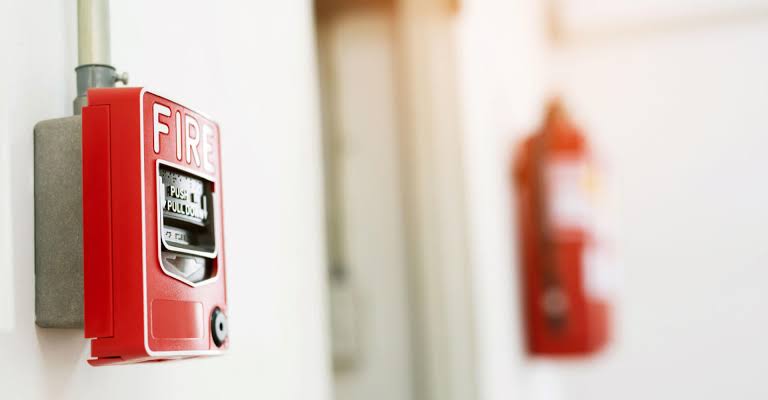
We’ve all heard the sudden, piercing beep of a smoke detector at 2 AM. Usually, it’s just a false alarm triggered by a particularly enthusiastic batch of burnt toast. But that annoying sound is also the single most effective tool standing between your family and a life-threatening disaster.
Fire safety isn’t just about having a plan; it’s about having the right gear, maintaining it properly, and knowing how to use it.
If you haven’t thought about your home’s fire safety equipment lately, consider this your gentle (and vital) reminder. Here is a straightforward guide to testing your smoke alarms and choosing the right fire extinguishers for your home.
Smoke Alarms – Your First Line of Defense
Working smoke alarms cut the risk of dying in a home fire in half. But simply having them on the ceiling isn’t enough. They need care, feeding, and regular check-ups.
The Golden Rules of Smoke Alarms:
- Test Monthly: Push the “Test” button on every alarm in your house at least once a month. Yes, it’s loud, but it’s the only way to ensure the circuitry and speaker actually work.
- Change the Batteries Yearly: Unless you have 10-year sealed lithium-battery alarms, replace the batteries at least once a year. A great habit is to do this when daylight saving time ends or begins.
- Vacuum Dust Away: Dust and cobwebs can clog the sensor chamber and cause false alarms—or worse, prevent the alarm from sensing smoke. Gently vacuum around the unit with a soft brush attachment once a year.
- Replace Every 10 Years: Smoke alarms degrade over time. Look at the manufacture date printed on the back of the unit. If it’s more than 10 years old, replace the entire unit immediately.
- Location Matters: You should have a smoke alarm inside every bedroom, outside every sleeping area, and on every level of your home, including the basement.
Fire Extinguishers – Choosing the Right Tool for the Job
If a small fire breaks out in your kitchen, a fire extinguisher can mean the difference between a minor cleanup and losing your home. However, not all fire extinguishers are created equal. Using the wrong one can actually make a fire worse.
When you look at a fire extinguisher, you’ll see letters and symbols. Here is what you need to know:
Understanding Extinguisher Classes:
- Class A: For ordinary combustibles like wood, paper, cloth, trash, and plastics.
- Class B: For flammable liquids like gasoline, petroleum grease, oil, and paint.
- Class C: For energized electrical equipment (appliances, wiring, outlets).
The Best Choice for Homes:
For general household use, look for a multi-purpose ABC-rated fire extinguisher. These are typically made of dry chemical powder and can safely tackle wood/paper fires, grease fires, and electrical fires alike.
(Note: For the kitchen, a specialized Class K extinguisher or a fire blanket is also great for oil and grease fires, but an ABC dry chemical extinguisher is a solid all-rounder).
Where to Put Them:
- The Kitchen: Keep one within reach of the stove, but not right next to it (if the fire is on the stove, you don’t want to have to reach through the flames to grab the extinguisher).
- The Garage/Workshop: Essential, given the presence of chemicals, gasoline, and tools.
- Every Level: Have at least one on every floor of the house.
Remember the PASS Method
Having an extinguisher is useless if you panic and don’t know how to operate it. In an emergency, remember the acronym PASS:
- Pull the pin on the extinguisher.
- Aim low, pointing the nozzle or hose at the base of the fire.
- Squeeze the handle to release the extinguishing agent.
- Sweep from side to side at the base of the fire until it appears to be out.
Crucial Safety Note: Only fight a fire if it is small, contained (like a wastebasket or pan), and you have a clear escape route behind you. If the room is filling with smoke, or the fire is spreading, get out immediately and call 911.
Peace of Mind is Preventive
Fire safety takes very little time, but it offers priceless peace of mind. Take ten minutes today: test your alarms, check the pressure gauges on your extinguishers, and make sure everyone in your home knows what to do if the worst should happen.
Stay safe out there!
What about you? When was the last time you tested your smoke alarms? Let us know in the comments below!