


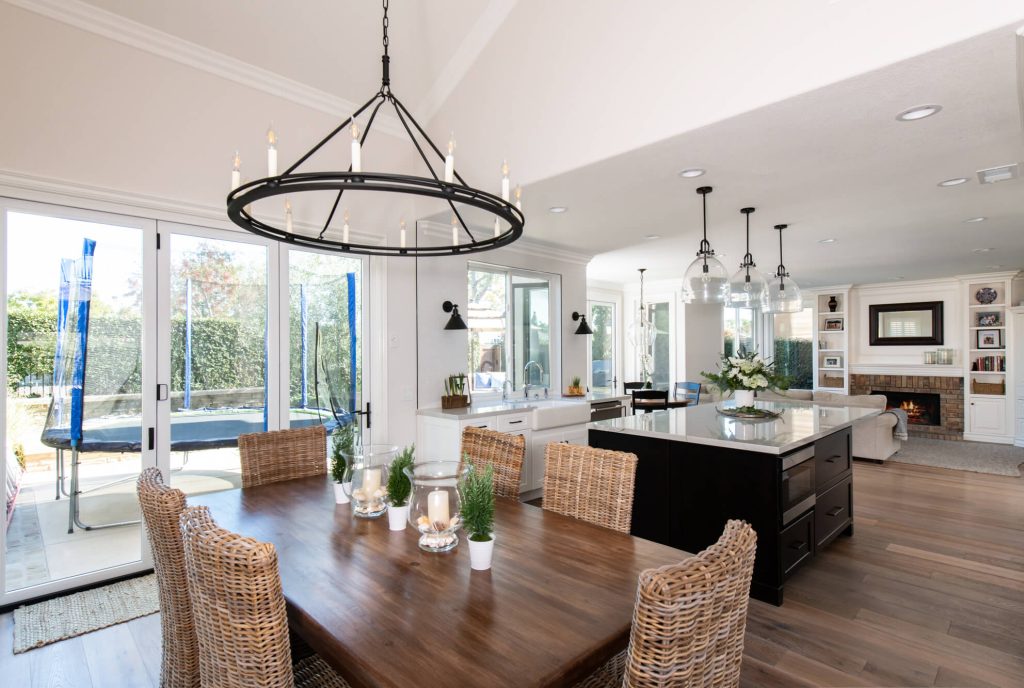
Open-concept living has become a hallmark of modern home design. By removing walls and merging spaces — such as the kitchen, living room, and dining area — open floor plans create large, flowing interiors that feel airy and connected. These layouts dominate contemporary architecture, real estate listings, and renovation shows for good reason.
But as with any trend, open-plan living has both passionate fans and vocal critics. While it fosters togetherness and spatial flexibility, it also introduces challenges like noise, lack of privacy, and heating inefficiencies.
We’ll explore the advantages and disadvantages of open-concept living, supported by real-life examples, expert insights, and practical advice to help you decide if an open floor plan is right for your home and lifestyle.
1. What Is an Open Floor Plan?
An open floor plan refers to a home design where two or more traditionally separate rooms — typically the kitchen, living room, and dining area — are combined into a single large, open space without dividing walls.
Key Features:
- Fewer interior walls
- Shared lighting and flooring
- Multi-functional furniture
- Visual openness and continuity
- Often includes a kitchen island or peninsula as a subtle divider
Common configurations include:
- Kitchen + Living Room (most popular)
- Kitchen + Dining Room
- Full “Great Room” that merges kitchen, dining, and living zones
2. The Pros of Open-Concept Living
1. Enhanced Natural Light
Without interior walls blocking windows, sunlight can flow freely through the space.
- Benefit: Reduced need for artificial lighting during the day
- Example: A home with east- and west-facing windows will benefit from both morning and evening light across the entire living area.
2. Improved Social Interaction
Open layouts encourage communication and visibility between people in different zones.
- Ideal For: Families with children, social gatherings, or anyone who entertains regularly
- Tip: A kitchen island can serve as a casual gathering spot during parties or mealtimes.
3. Flexibility in Furniture Layout
With fewer walls, you have more options for arranging sofas, dining tables, desks, and entertainment units.
- Advice: Use rugs, lighting, and furniture orientation to define different zones without partitions.
4. Greater Sense of Space
Open-concept designs can make even smaller homes feel bigger.
- Visual Continuity: Matching flooring and consistent color schemes create flow
- Psychological Impact: Open space often feels less restrictive and more inviting
5. Better for Supervision
Parents can cook while keeping an eye on children doing homework or playing in the living room.
- Example: A young family benefits from an open kitchen/living setup to multitask without missing a beat.
6. Modern Aesthetic
Open floor plans are associated with contemporary living, boosting home appeal and potentially resale value.
- Real Estate Tip: Homes with open-concept designs often photograph better and attract younger buyers.
3. The Cons of Open-Concept Living
1. Lack of Privacy
With no walls to block sound or sight, everyone shares the same environment.
- Problem Areas:
- Working from home with background noise
- Kids watching TV while someone tries to read
- No quiet escape when needed
- Solution: Use room dividers, curtains, or portable screens when privacy is necessary.
2. Noise Control Issues
Sound travels easily across open spaces, making it harder to manage noise levels.
- Examples:
- The blender drowns out the television
- Phone calls echo across the room
- Multiple conversations compete
- Soundproofing Tips:
- Add soft textiles (rugs, drapes, fabric furniture)
- Use acoustic panels or ceiling baffles if noise is a constant issue
3. Heating and Cooling Challenges
Open spaces are harder to heat or cool evenly, especially with high ceilings.
- Impact:
- Energy bills may increase
- Temperature inconsistencies across zones
- Solutions:
- Invest in zoned HVAC systems
- Use ceiling fans and strategic vents
4. Limited Wall Space
With fewer walls, it can be tricky to find spots for artwork, storage units, or TVs.
- Design Tip: Use vertical storage solutions and floating shelves; consider media consoles as central dividers.
5. Constant Visual Clutter
The kitchen is always on display, meaning messes are harder to hide.
- Challenge: Dishes, appliances, or kids’ toys may always be in view
- Advice: Maintain hidden storage like pull-out drawers, walk-in pantries, and cabinets with clean lines.
4. Best Use Cases for Open Floor Plans
| Type of Homeowner | Open-Concept Works Well If… |
| Families with young children | Need constant visual supervision across living areas |
| Entertainers & hosts | Want to cook, serve, and socialize simultaneously |
| Small-space dwellers | Need rooms to feel larger and brighter |
| Creative professionals | Prefer flexibility in how they define and use their space |
5. When Open-Concept Might Not Be Ideal
| Type of Homeowner | Why It Might Not Work |
| Remote workers | Need separate, quiet zones for concentration |
| Large families | Require multiple activity zones and personal space |
| Minimalists | Find visual clutter stressful |
| Traditionalists | Prefer defined, cozy rooms with architectural character |
6. How to Design an Effective Open-Concept Space
Even open spaces need boundaries and balance. Here’s how to get it right:
✅ Use Zoning Techniques
- Rugs, lighting, and furniture arrangement help define spaces.
- Islands, half-walls, or bookcases can provide subtle separation.
✅ Invest in Smart Storage
- Floating cabinets, under-sofa drawers, and multi-use furniture keep things tidy.
- Closed kitchen cabinetry helps reduce visual clutter.
✅ Create Acoustically Balanced Environments
- Mix hard and soft materials to absorb sound.
- Consider carpet tiles, fabric wall panels, and thick curtains.
✅ Add Focal Points
- A central fireplace, pendant lights, or statement art can anchor the space.
✅ Use Cohesive Color Palettes
- Limit your palette to 2–3 main tones to maintain flow without monotony.
7. Real-Life Examples
Example 1: Open Loft Apartment in Manchester
A 70m² flat combines the kitchen, dining, and living zones. With large windows, a neutral palette, and a central sofa as a divider, the space feels twice its actual size.
Example 2: Suburban Home in Kent
A young family removed the wall between their kitchen and lounge. They installed a long island with bar stools and used pendant lights to define zones. Despite increased foot traffic, they found their social life and cooking experience improved.
Example 3: Rural Cottage Renovation in Devon
Open-plan design was partially implemented, keeping the living area and kitchen connected while retaining a separate reading room. This hybrid approach preserved warmth and privacy while embracing modern flow.
Open-concept living is stylish, flexible, and communal — ideal for modern families, social homeowners, and anyone looking to make small spaces feel expansive. However, it’s not without downsides. Lack of privacy, noise, and heating inefficiencies can make open plans less suitable for certain lifestyles.
? The key is thoughtful design. Whether you’re remodeling or house-hunting, consider how you live daily, what your household needs, and how you use each room. Open floor plans work best when they’re tailored to the people living in them — not just the latest design trend.