
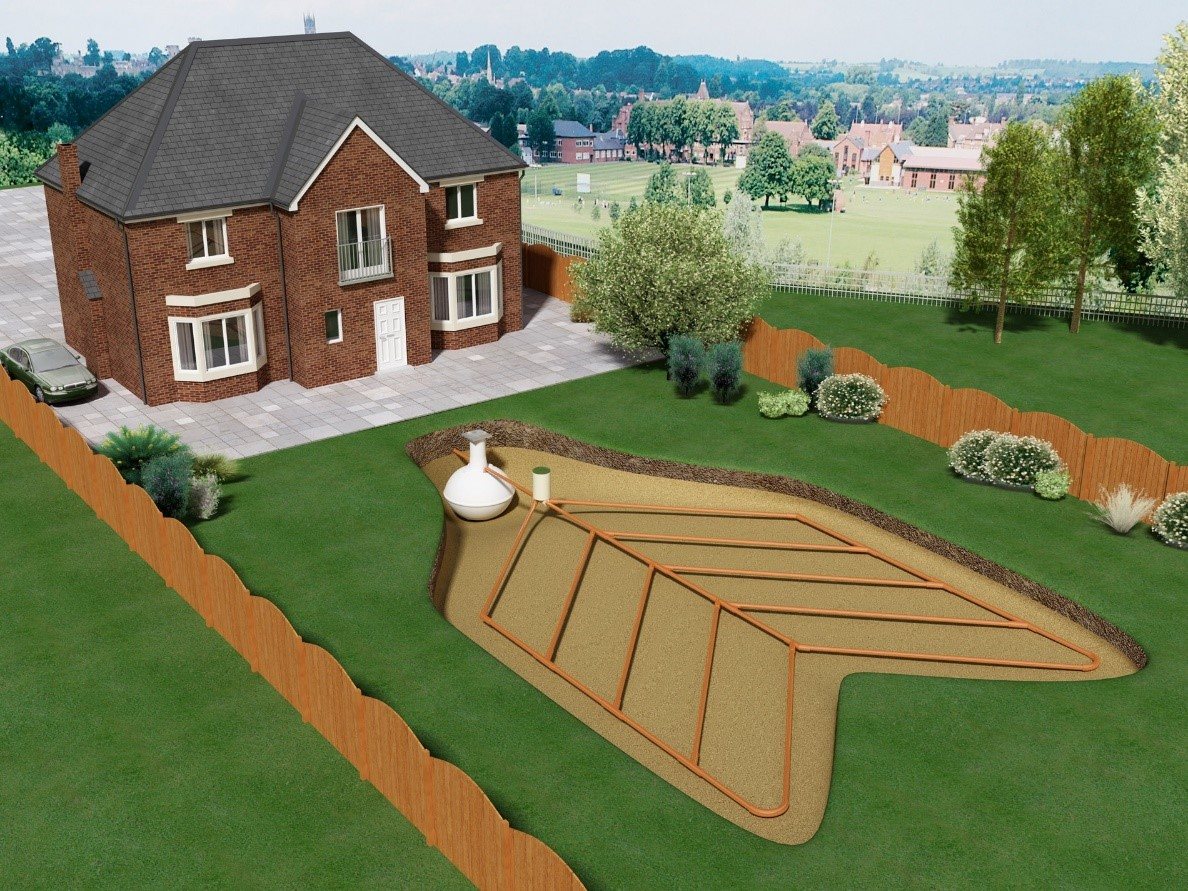
Living in the British countryside offers unparalleled peace and scenic views, but it also brings unique responsibilities—chief among them is off-mains drainage. Unlike urban areas, where waste and rainwater simply disappear into a public sewer, rural homeowners must act as their own mini-utility company.
With the UK’s increasingly unpredictable weather patterns and stringent environmental regulations, managing rainwater and domestic sewage is no longer just about convenience; it is a matter of legal compliance and environmental stewardship.
The Evolution of Sewage Treatment: Septic Tanks vs. Treatment Plants
If your property is not connected to the main sewer, you likely rely on a septic tank or a package sewage treatment plant.
1. The 2020 General Binding Rules
It is crucial for UK homeowners to be aware of the General Binding Rules introduced by the Environment Agency. As of January 2020, it is illegal to discharge raw effluent from a septic tank directly into a watercourse (like a stream or ditch).
- The Fix: If your old system does this, you must either replace it with a full sewage treatment plant or install a compliant drainage field (soakaway).
2. Septic Tanks vs. Sewage Treatment Plants (STPs)
- Septic Tanks: Use gravity to separate solids from liquids. The liquid then flows into a drainage field for biological treatment by soil bacteria.
- STPs: These use mechanical parts to aerate the waste, breaking down solids more effectively. The resulting discharge is clean enough to be released directly into a flowing watercourse (subject to permit).
Managing the Deluge: Rainwater Management
British winters are synonymous with rain. In a rural setting, improper rainwater management can lead to waterlogged gardens, foundation damage, or even the “flooding” of your sewage system.
The “Golden Rule”: Separation
The most common mistake in older rural properties is piped rainwater entering the septic tank. A septic tank has a limited capacity; a heavy downpour can flush untreated sewage straight through the system and out into the environment.
- Solution: Ensure all guttering and surface water are diverted to a dedicated soakaway or a rainwater harvesting system.
Sustainable Drainage Systems (SuDS)
For many UK properties, SuDS are becoming a requirement for renovations or new builds. These include:
- French Drains: Perforated pipes in gravel-filled trenches that redirect groundwater away from the home.
- Attenuation Tanks: Underground crates that “store” peak rainfall and release it slowly into the ground to prevent flash flooding.
- Permeable Paving: Swapping traditional concrete drives for gravel or porous blocks to reduce runoff.
Maintenance: The Key to Avoiding Disaster
In the countryside, “out of sight” should never mean “out of mind.” A failed drainage system can cost tens of thousands of pounds to rectify and lead to hefty fines from the Environment Agency.
| Task | Frequency | Purpose |
| Desludging (Emptying) | Annually | Prevents solids from entering the drainage field and clogging the soil. |
| Visual Inspection | Every 6 Months | Checking for “ponding” in the garden or slow-draining toilets. |
| Bacterial Health | Ongoing | Avoid pouring bleach, fats, or oils down the sink, as these kill the “good” bacteria that digest waste. |
Protecting the British Countryside
Effective drainage is the silent backbone of a functional rural home. By upgrading outdated septic tanks and ensuring rainwater is managed through modern soakaways, you aren’t just protecting your property value—you are protecting the local ecosystem, chalk streams, and groundwater that make the UK countryside so special.