


Types and advantages of self-leveling floors
Self-leveling flooring is a floor covering based on polyurethane polymers that has protective, functional and decorative functions. After application, the material forms a film that can be matte or transparent, thin and highly filled.
Types of self-leveling floors
Rough, also known as roughing, are used to level or repair a subfloor. The thickness of the applied layer ranges from 1 to 8 cm; a rule is used for leveling. The composition includes gypsum, cement, fillers, modifying additives, and other components.
Finishing compositions are distinguished by a fine fraction and are easily distributed in a thin layer due to their fluidity and penetrating ability. The homogeneous mass is elastic, the finished film can withstand mechanical loads. The self-leveling floor fills the pores of the base, forming a smooth screed. The type of mixture is selected depending on the characteristics of the room.


Advantages of self-leveling floors
- Wear resistance. Polyurethane-based coating is considered one of the most durable and durable, so it is used for public places with high traffic.
- Easy to install. Acceleration of polymerization is carried out by adding hardeners that have no side effects and do not affect the structure of the material. First you just need to level and clean the base.
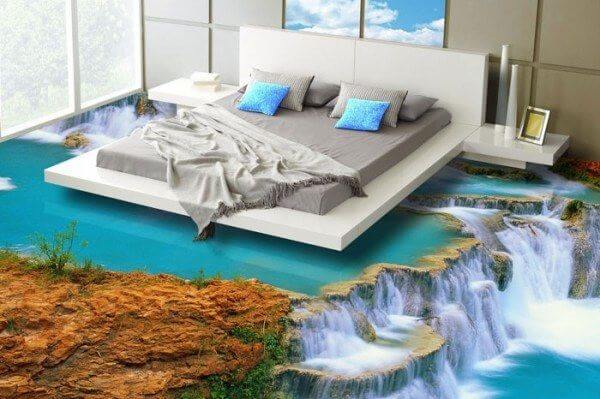
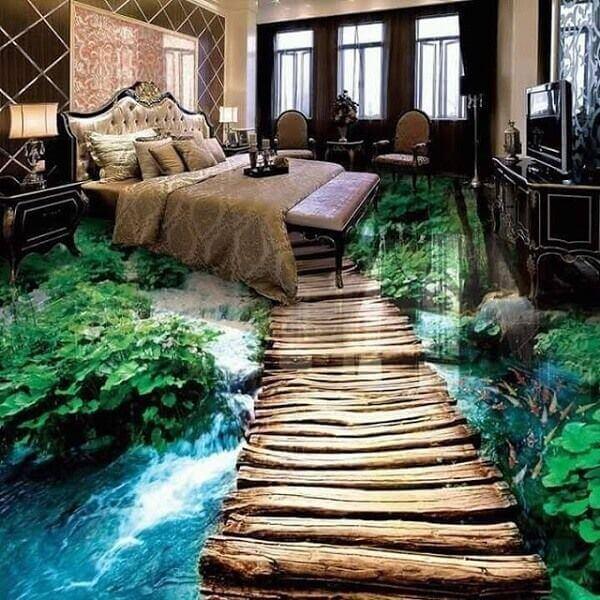
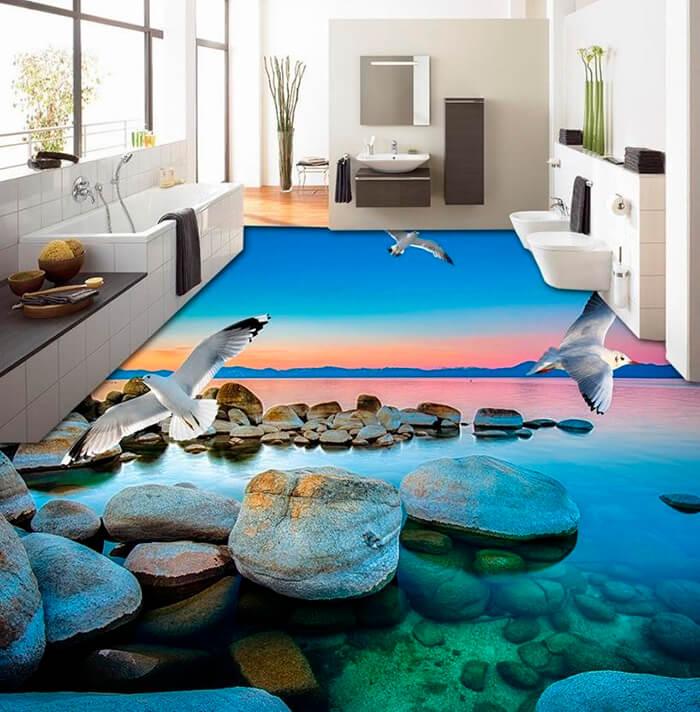
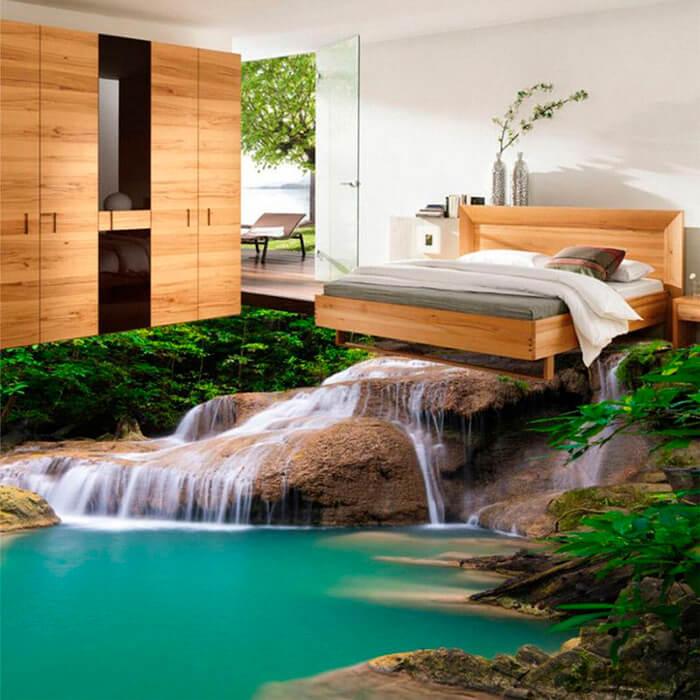
- Wide choice of designs. The properties of polymers allow them to be painted in any color. Professionals combine several tones in one coating, add patterns and designs, and create a 3D effect.
- Moisture resistance. Zero coefficient of water absorption and steam allows the use of self-leveling floors in showers and bathrooms, swimming pools, locker rooms, gyms, beauty salons, medical institutions, etc.
- Chemical and mechanical resistance. There are no marks left on the coating from heels, carts, or furniture legs. The polymer can withstand aggressive detergents and a number of substances such as alcohol, oil, glycerin, etc. The floor does not deform under the influence of frost and temperature changes.
- Easy to care for. For sanitization, use clean water or regular soap solution, as well as microfiber or a soft sponge. Difficult stains can be removed with special cleaners.
The mixtures are used to level the surface, create screeds of any kind, as a base for further installation of floor coverings, and underfloor heating systems. Polymers are also used for minor repairs of stairs and thresholds, and for creating slopes.