


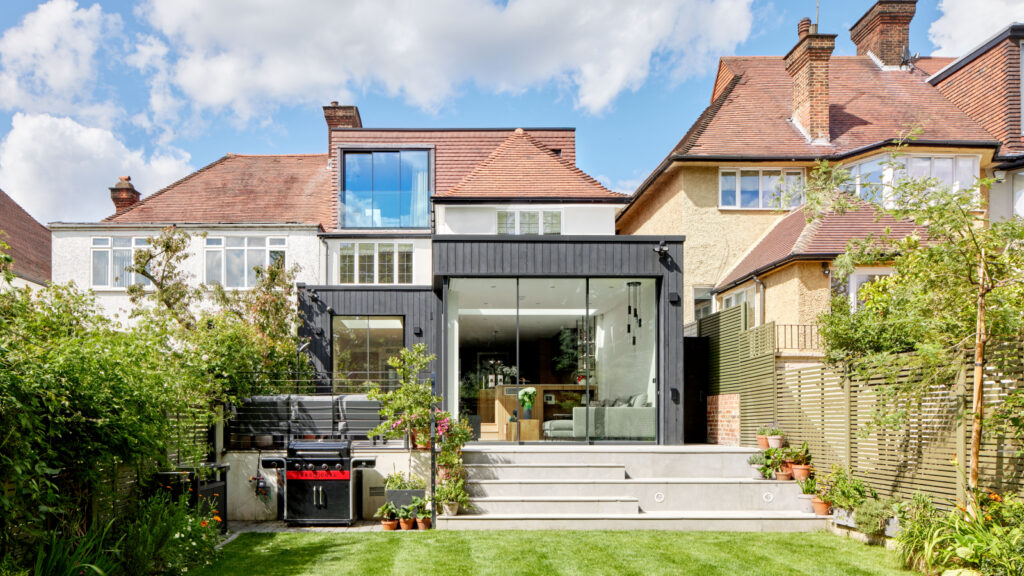
The last few years have been a roller‑coaster for the building sector: post‑pandemic labour shortages, the fallout from the Ukraine conflict, and a wave of green‑building mandates have all left their fingerprint on material costs.
If you’re planning a kitchen‑plus‑loft conversion, a two‑storey family extension, or a modest garden office, you’ll need a realistic budget today—not the numbers you saw three years ago. Below, we unpack the most common materials, their 2026 price points, and the factors that are driving them. All prices are average UK/ROI retail rates per unit (excluding VAT) and are rounded to the nearest whole figure for clarity. Prices can vary by ±15 % depending on location, supplier relationships, and order volume.
1. Structural Framework
| Material | Unit | 2026 Avg. Price* | Price Trend (2023‑2026) | Key Drivers |
|---|---|---|---|---|
| Softwood (C16) timber studs | m³ | £590 | ↑ +8 % | Increased demand from DIY market, tighter EU timber quotas |
| Softwood (C24) floor joists | m³ | £720 | ↑ +12 % | Higher strength grades needed for larger spans |
| Steel (hot‑rolled, 20 mm) sections | tonne | £820 | ↑ +5 % | Energy costs, limited steel mill capacity in Europe |
| Pre‑cast concrete panels (200 mm) | m² | £115 | ↔ 0 % | Mature production, but raw cement price volatility remains |
| Masonry bricks (standard, clay) | 1 000 pcs | £510 | ↑ +10 % | Clay extraction costs + transport fuel surcharge |
*Prices sourced from major UK retailers (B&Q, Wickes, Selco) and Irish suppliers (Woodie’s, B&Q Ireland) as of Feb 2026.
Takeaway: Softwood remains the most price‑sensitive material. If your design can accommodate engineered timber (e.g., Glulam), you may shave 5‑10 % off the structural budget while gaining superior strength.
2. Envelope – Walls, Roofs & Windows
| Component | Unit | 2026 Avg. Price* | Price Trend | Notable Alternatives |
|---|---|---|---|---|
| External wall insulation (EWI) PIR board | m² | £28 | ↑ +9 % | Phenolic boards, aerogel blankets (premium) |
| Internal wall plasterboard (12 mm) | m² | £4.5 | ↔ 0 % | Fibre‑cement board (higher cost, moisture‑resistant) |
| Roof tiles (clay, standard) | m² | £38 | ↑ +6 % | Concrete tiles (≈ £30 /m²), slate tiles (≈ £65 /m²) |
| Roof trusses (prefabricated timber) | m² | £23 | ↑ +7 % | Steel trusses (≈ £30 /m²) – higher but lighter |
| Double‑glazed uPVC windows (up to 1.6 m²) | each | £425 | ↑ +4 % | Triple‑glazed aluminium (≈ £620) – better energy rating |
| External doors (solid timber, insulated) | each | £520 | ↑ +5 % | Composite doors (≈ £580) – low maintenance |
Key Influences:
- Energy‑performance standards (Part L 2025) have forced manufacturers to adopt higher‑efficiency insulation, nudging prices up.
- Supply‑chain resilience: European tile factories have returned to pre‑COVID output, stabilising tile prices, while the demand for uPVC windows spikes due to retrofitting trends.
3. Finishes & Fit‑Out
| Finish | Unit | 2026 Avg. Price* | Trend | Comments |
|---|---|---|---|---|
| Hardwood flooring (oak, pre‑finished) | m² | £68 | ↑ +12 % | Timber imports from the Baltic face higher freight rates |
| Laminate flooring | m² | £22 | ↑ +5 % | Still a cost‑effective choice for secondary rooms |
| Ceramic wall tiles (300 mm × 300 mm) | m² | £38 | ↑ +8 % | Large‑format tiles (600 mm) cost ≈ £55 /m² |
| Sanitary ware (standard basin + WC) | each | £210 | ↑ +6 % | Water‑saving models command a premium of £30‑£50 |
| Kitchen cabinets (soft‑close, MDF) | linear m | £115 | ↑ +9 % | Solid‑wood face panels (≈ £170 / m) are still viable for high‑end specs |
| Electrical wiring (copper, 2.5 mm²) | m | £1.85 | ↑ +4 % | Copper price rebound after 2024 dip |
4. “Hidden” Costs That Show Up in the Extension Budget
| Category | Typical Share of Total Cost | 2026 Outlook |
|---|---|---|
| Labour (carpenters, bricklayers, electricians) | 30‑35 % | Tight labour market pushes hourly rates up 3‑5 % YoY. Expect specialist trades (e.g., fire‑rated plaster) to command a premium of £45‑£55/hr. |
| Site preparation (groundworks, drainage) | 5‑10 % | Rising fuel costs (+15 % in 2025) affect earthmoving & concrete‑pump hire. |
| Permitting & compliance (building control, energy audits) | 2‑3 % | New Part L regulations introduce mandatory EPC (Energy Performance Certificate) testing—≈ £250 per extension. |
| Contingency (unforeseen issues) | 5‑10 % | Always allocate a buffer; 2026 projects have shown a mean “surprise” factor of 6 % due to legacy asbestos or utility locate complications. |
5. Sample Budget – 30 m² Two‑Storey Extension (2026)
| Item | Quantity | Unit Cost | Sub‑Total |
|---|---|---|---|
| Foundations & groundworks | 30 m³ concrete | £115/m³ | £3,450 |
| External walls – brick + blockwork | 120 m² | £95/m² | £11,400 |
| Roof – tiles + timber trusses | 60 m² | £70/m² | £4,200 |
| Windows (4 × double‑glazed uPVC) | 4 | £425 | £1,700 |
| Insulation (EWI PIR + loft) | 180 m² | £28/m² | £5,040 |
| Internal finishes – plasterboard & paint | 200 m² | £15/m² | £3,000 |
| Flooring – engineered oak | 30 m² | £68/m² | £2,040 |
| Electrical & lighting | 30 m | £1.85/m + fittings | £2,500 |
| Plumbing & sanitary | 1 full suite | £210 | £210 |
| Labour (average 30 % of total) | — | — | £12,300 |
| Contingency (7 %) | — | — | £3,400 |
| Total Estimated Cost | — | — | ≈ £49,740 |
This example assumes a mid‑range specification. Opt for economical alternatives (e.g., laminate flooring, concrete tiles) and you could shave ≈ £8,000 off the total; go premium (triple‑glazed windows, slate roof) and you’ll add ≈ £10,000‑£12,000.
6. How to Keep Your Extension on Budget in 2026
| Strategy | Why It Works | Practical Tips |
|---|---|---|
| Bulk‑order core materials early | Locks in 2024‑25 price before the next inflation wave | Ask your builder to place a “material lock‑in” contract for timber and bricks. |
| Consider engineered timber or steel‑stud frames | Often cheaper than high‑grade softwood, lighter, quicker to erect | Prefabricated steel studs are now £18/m (down from £22/m in 2024). |
| Use off‑site prefabrication | Reduces on‑site waste & labour hours | Look for local modular factories that can deliver pre‑cut wall panels. |
| Opt for “green” insulation with higher R‑value | Lowers long‑term energy bills, may qualify for government rebates | Aerogel blankets cost £75/m², but the Home Upgrade Scheme 2026 offers £30/m² credit. |
| Source reclaimed or recycled bricks | Gives vintage aesthetic, cuts carbon footprint | Many demolition sites now sell bricks at £0.30 each versus £0.55‑new. |
| Negotiate a fixed‑price contract | Shields you from price spikes in steel, cement, and fuel | Ensure the contract includes a material price escalation clause capped at 2 % per annum. |
7. Looking Ahead: What Might Change in 2027?
- Hydrogen‑based cement is entering pilot production and could shave ≈ 5 % off concrete prices by 2027, but the technology is still a few years away from mainstream use.
- Digital timber tracking (blockchain‑verified provenance) could stabilise softwood pricing, reducing the current 8‑12 % volatility.
- Modular construction tax incentives announced in the 2026 Budget may make factory‑built extensions financially attractive, especially for homes under 100 m².
Bottom Line
In 2026, the average material cost for a standard residential extension sits around £1,150 per square metre (excluding labour). Your total project cost will therefore be heavily influenced by the finish level you choose and the prevailing labour market, not just the price of bricks or timber.
A realistic budget for a 30 m² two‑storey addition now sits comfortably in the £45‑£55k range, with a 7 % contingency built‑in. Keep an eye on the key cost drivers—softwood, uPVC windows, and energy‑grade insulation—and leverage bulk buying, prefabrication, and any available government incentives to lock in savings.
Ready to start planning? Reach out to a chartered surveyor to get a material price lock‑in quotation before the next quarterly price review in June 2026—your wallet will thank you.
Disclaimer: The figures above are based on market data collected up to February 2026 and are intended for informational purposes only. Prices can vary regionally and are subject to change due to market fluctuations, tariffs, and supply‑chain disruptions. Always obtain multiple quotes and consider professional advice before committing to any construction project.