


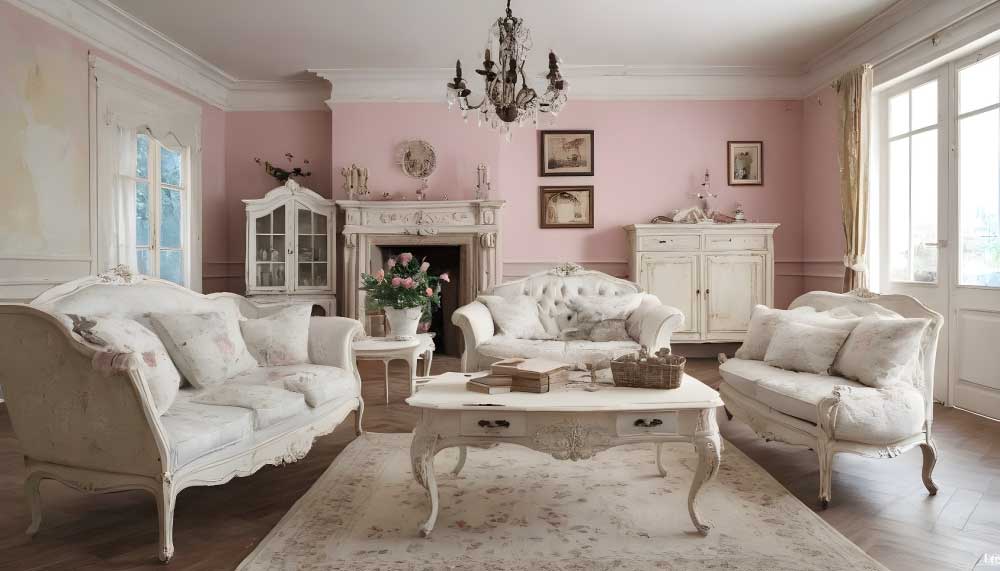
While the term might sound like a modern Pinterest category, Shabby Chic is a design movement with deep, soulful roots in the British countryside. It is an aesthetic that celebrates the “beauty in decay,” finding elegance in items that have been weathered by time, wind, and generations of use.
Unlike the sleek minimalism of the 21st century, Shabby Chic is unapologetically nostalgic, feminine, and—most importantly—British.
1. The Origin Story: From Cottages to California
The aesthetic originated in the large English country houses of the 1900s. These estates were filled with expensive furniture, but they weren’t “show homes.” The sofas were faded by the sun, the rugs were worn thin by dogs and boots, and the paint on the grand doors was gently peeling. This “faded grandeur” represented a relaxed, aristocratic way of life where comfort trumped newness.
The movement was officially named and popularized in the 1980s by British designer Rachel Ashwell. She took the sensibilities of the English countryside—slipcovered furniture, floral chintz, and flea-market finds—and exported them to the world.
2. The Anatomy of British Shabby Chic
To achieve the authentic British look, the décor must balance two worlds: the Shabby (the worn-out and rustic) and the Chic (the glamorous and refined).
- The Palette: Dominated by “cloud” whites, dusty roses, duck-egg blues, and lavender. The colors should look as if they have been washed a hundred times.
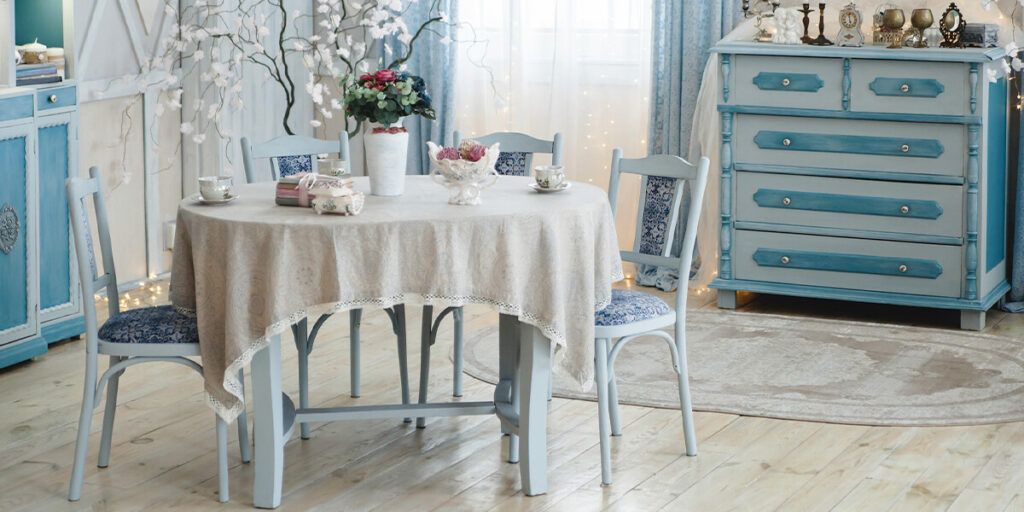
- Distressed Textures: Furniture often features “distressed” paintwork. This is achieved by applying layers of milk paint and then sanding away the edges to reveal the wood underneath—simulating decades of wear.
- Textiles: This is where the British influence shines. Heavy use of linen, lace, and Toile de Jouy. The goal is a tactile environment that feels soft to the touch.

3. Iconic Examples & Elements
The Slipcovered Sofa
In a traditional British home, expensive upholstery was protected from the damp and mud of the countryside with loose, white linen covers. Today, the oversized, rumpled white sofa is the ultimate symbol of Shabby Chic—it signals that the home is a place for relaxation, not just for looking at.
The “Chandelier in a Kitchen”
A classic Shabby Chic move is placing a high-glamour item in a rustic setting.
- Example: Hanging a crystal chandelier from a rough-hewn timber ceiling in a farmhouse kitchen. The contrast between the sparkling glass and the raw wood creates the “chic” tension.
Fact: The “Upcycling” Pioneer
Long before “sustainability” was a buzzword, Shabby Chic was the original upcycling movement. In post-war Britain, it was common to buy second-hand Victorian furniture and “freshen it up” with a coat of light paint, inadvertently creating the foundation for this style.
4. Shabby Chic vs. Vintage: What’s the Difference?
It’s easy to confuse the two, but Shabby Chic has a specific “DNA”:
| Feature | Shabby Chic | General Vintage |
| Color Scheme | Pastel and monochromatic whites. | Can be bold, dark, or neon. |
| Condition | Intentionally damaged/worn. | Often restored to “like new” condition. |
| Feel | Soft, feminine, airy. | Can be industrial, masculine, or kitsch. |
5. Bringing the British Countryside Home
If you want to incorporate this style, start with a “hero” piece. This could be a wrought-iron bed frame painted in antique white or a distressed wooden dining table paired with mismatched chairs. Add a vase of blousy peonies or dried lavender, and you’ve captured the essence of an English manor.
Summary
Shabby Chic is more than just a decorating style; it is a British philosophy of living. It teaches us that a scratch on a table or a faded floral curtain isn’t a flaw—it’s a story. It is the art of making a house feel like a home that has been loved for a lifetime.