
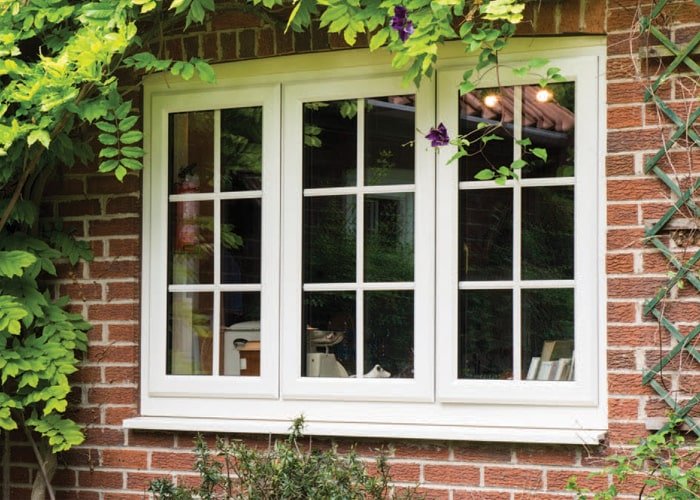
For homeowners in the UK, the battle against rising energy bills and the damp British winter is a constant struggle. When it comes to improving thermal efficiency, triple glazing is often touted as the “gold standard.” However, when your property is a Victorian terrace, a Georgian townhouse, or a quaint Edwardian cottage, the decision isn’t just about heat—it’s about heritage.
The question remains: is the jump from single or double glazing to triple glazing worth the disruption and the potential loss of architectural character?
Understanding the Triple Glazing Advantage
Triple glazing involves three panes of glass with argon or krypton gas trapped in the cavities between them. In terms of pure physics, the benefits are clear:
- Superior Thermal Insulation: Triple glazing can achieve U-values as low as 0.8 W/m²K, whereas standard modern double glazing usually sits around 1.2 to 1.6 W/m²K.
- Acoustic Comfort: If you live on a busy London street or near a flight path, the extra pane significantly reduces low-frequency noise.
- Eliminating Cold Spots: It maintains an internal glass temperature closer to the room temperature, eliminating that “chill” you feel when sitting near a window in December.
The “Heritage” Dilemma
In the UK, many older homes are either Listed Buildings or located within Conservation Areas. This adds layers of complexity to any window replacement project.
1. Architectural Integrity
Original timber sash windows are the “eyes” of a historic building. Replacing them with bulky uPVC triple-glazed units can instantly strip a house of its soul and, ironically, decrease its market value. Fortunately, many specialist UK joiners now offer ultra-slim triple glazing designed to fit into traditional timber frames.
2. Planning Permissions
If your home is Grade II listed, you will almost certainly need Listed Building Consent. Local councils are often hesitant to approve triple glazing if it alters the profile of the window or requires thicker frames that look out of place.
3. The Breathability Factor
Historic homes were designed to “breathe.” Modern, airtight triple glazing can sometimes lead to issues with interstitial condensation if the rest of the house isn’t ventilated properly. If you seal the windows hermetically, the moisture that used to escape through draughts may now settle on your cold exterior walls, leading to mould.
Weighing the Cost vs. Return
| Feature | Single Glazing | Modern Double Glazing | Triple Glazing |
| Typical U-Value | 5.0+ | 1.2 – 1.6 | 0.8 |
| Noise Reduction | Poor | Good | Excellent |
| Initial Cost | Low | Moderate | High (approx. 20-30% more than double) |
| Suitability for Heritage | High (Original) | Moderate (Slimline) | Low (requires specialist frames) |
Is There a Middle Ground?
If you are hesitant to rip out original 19th-century timber, consider these alternatives:
- Secondary Glazing: An internal independent window unit. It’s the preferred choice for listed buildings as it leaves the original fabric untouched while providing excellent thermal and acoustic insulation.
- Vacuum Glazing: A newer technology where a vacuum is created between two thin panes. It offers the performance of triple glazing with the thickness of a single pane—perfect for historic sashes.
The Verdict
Replacing historic windows with triple glazing is a significant investment. If your home is a modern build or a non-protected 20th-century property, the energy savings and comfort levels make it a compelling choice.
However, for heritage properties, the “best” window is often the one that balances modern comfort with historical respect. Before you commit, consult with a specialist heritage surveyor to ensure your upgrade doesn’t accidentally devalue your home’s unique character.