
1. The Dream That Started With a Click
It all began on a rainy Thursday in early October 2024. I was scrolling through the GardenHouse24 catalogue, looking for a weekend‑project that would give us a tiny‑home vibe without the hassle of a full‑blown construction site. Their modular wooden kit promised:
- Fast assembly – ten 2‑hour weekends and you have a livable space.
- Eco‑friendly materials – sustainably sourced spruce, low‑VOC finishes.
- Aesthetic charm – the warm grain of wood that instantly feels “homey.”
We ordered the 45 m² “Forest‑Cabin” model, paid the deposit, and soon a truck rolled into our backyard with neatly boxed panels, pre‑drilled joists, and a glossy PDF of step‑by‑step instructions. The excitement was real. My partner and I imagined weekend barbecues, a reading nook, and a tiny garden oasis perched atop a concrete slab.
2. The First Signs of Trouble
2.1. The First Summer
Our first summer together with the wooden cabin was blissful, but the weather had other plans. A heatwave in July pushed temperatures to 38 °C for three consecutive days. The wood, already exposed to the elements because the cabin’s outer walls were intended to be covered by a cladding system we never installed (budget constraints, you know the drill), started to dry out and warp. Small cracks appeared along the joints, and the pre‑finished pine panels began to lose their luster.
2.2. The Rainy Autumn
September’s rain was relentless—120 mm over two weeks, with wind gusts that slapped the side panels like a carpenter’s hammer. Water seeped through the gaps in the modular connections, saturating the inner layers. The wooden joists swelled, causing the floorboards to creak and, in one unfortunate corner, to sink by almost a centimeter.
2.3. The Ugly Truth
By early November, the once‑pristine exterior looked like a chewed‑up log cabin. The wood was swollen, the screws were rusted, and the paint—applied by us a few months earlier—had peeled away entirely. We had a house that was beautiful in theory, but structurally compromised in reality.
3. Why Wooden Modularity Failed Us
| Issue | How it Manifested | Why It Happened |
|---|---|---|
| Insufficient Weatherproofing | Water leaked through seams; warping in heat | GardenHouse24’s design assumes a finished exterior (cladding, roof overhangs). Our DIY approach left the raw wood exposed. |
| Material Limitations | Swelling, rot, termite risk | Spruce, while sustainable, is softer than hardwoods and more vulnerable to moisture cycles. |
| Joint Fatigue | Screws loosened, panels misaligned | Modular “snap‑together” joints rely on tight tolerances that expand/contract with temperature. |
| Maintenance Overhead | Annual sanding, repainting, sealant | We underestimated the ongoing care a wooden façade needs in a climate with hot summers and wet winters. |
We loved the idea of a modular wooden house, but the reality was a maintenance nightmare—and an unexpected financial drain when we started buying sealants, extra screws, and even a small pressure‑washer to salvage the structure.
4. The Lightbulb Moment: Aerated Concrete (AAC) Slabs
While scouring forums for a solution, we stumbled on a thread about Aerated Autoclaved Concrete (AAC) blocks. The comments were glowing:
- Low weight (about ½ the density of traditional concrete).
- Excellent thermal insulation (R‑value ≈ 2.2 per inch).
- Fire‑resistant and pest‑proof.
- Quick to install – blocks can be cut on‑site with a simple saw.
- Cost‑effective – price per cubic meter is typically 15‑20 % lower than conventional concrete masonry, especially when you factor in labor savings.
A quick cost‑benefit spreadsheet later, the numbers were clear: AAC could give us a sturdier, lower‑maintenance home for roughly the same budget (or even less) than the wooden kit plus all its repairs.
5. From Decision to Reality: Building the AAC House
5.1. Planning & Permits
- Design – We kept the 45 m² footprint but added a small 5 m² “tech‑room”.
- Foundation – A shallow, reinforced concrete slab with a vapor barrier (no need for deep footings because AAC is light).
- Permits – The municipality liked the fire‑resistance rating of AAC, so the approval process was smoother than expected.
5.2. Procurement
- Blocks – Ordered 4‑inch thick AAC slabs from a local manufacturer (EcoBlock SA).
- Finishing – Paint‑ready gypsum plaster on the interior, and a thin cement render on the exterior for weather protection.
- Insulation – Thanks to AAC’s inherent thermal mass, we only needed a thin layer of eco‑insulation under the roof.
5.3. Construction Timeline
| Phase | Duration | Key Activities |
|---|---|---|
| Foundation | 2 days | Formwork, pour, cure |
| Wall Erection | 4 days | Block laying, jointing with thin‑set mortar |
| Roof & Openings | 3 days | Truss installation, window/door fitting |
| Finishing | 5 days | Plaster, paint, floor levelling |
| Total | ≈ 2 weeks | Compared to the 10‑week timeline we originally anticipated for the wooden modular build! |
5.4. Cost Summary (2025 EUR)
| Item | Wooden Mod‑Modular (incl. repairs) | AAC House |
|---|---|---|
| Materials | €9,200 (kit) + €3,000 (sealants, extra timber) | €11,000 (blocks, concrete, plaster) |
| Labor (DIY) | 120 h × €25 = €3,000 | 70 h × €25 = €1,750 |
| Total | €15,200 | €12,750 |
| Annual Maintenance (paint/seal) | €600 | €150 (occasional plaster touch‑up) |
Bottom line: We saved roughly €2,500 upfront and will continue to save €450 each year.
6. What We Gained – Beyond the Numbers
| Benefit | Explanation |
|---|---|
| Durability | AAC is resistant to rot, insects, and fire. No more warping or rusted screws. |
| Thermal Comfort | The house stays 5 °C cooler in summer and 3 °C warmer in winter without any extra heating/cooling. |
| Acoustic Insulation | The porous structure absorbs sound, making the interior notably quieter. |
| Eco‑Footprint | AAC uses up to 70 % less energy to produce than traditional concrete and is fully recyclable. |
| Speed of Build | Two weeks of work versus the projected ten weeks for a wooden module. |
| Aesthetic Flexibility | We can apply any exterior finish—brick veneer, timber cladding, or a simple render—without compromising structural integrity. |
7. Lessons Learned (And Some Tips for the DIY Crowd)
- Never Skip the Weatherproofing Layer – If you’re set on wood, treat the outer skin as a permanent façade, not a temporary cover.
- Check Local Climate Compatibility – Materials that thrive in mild, dry climates can suffer dramatically where temperature swings are extreme.
- Consider Lifecycle Costs – The cheapest upfront price isn’t always the cheapest overall. Factor in maintenance, energy, and replacement.
- AAC Is Not “Just Another Block” – Its lighter weight means you can often avoid deep foundations, saving both time and money.
- DIY Is Viable, But Don’t Overestimate Your Skill Set – Cutting AAC with a jigsaw works, but a dedicated rotary saw will make the job smoother and safer.
- Documentation Saves You – Keep a folder of all manufacturer specs, warranty papers, and building permits—you’ll thank yourself when the municipality asks for details.
8. The Future of Our Tiny‑Home Dream
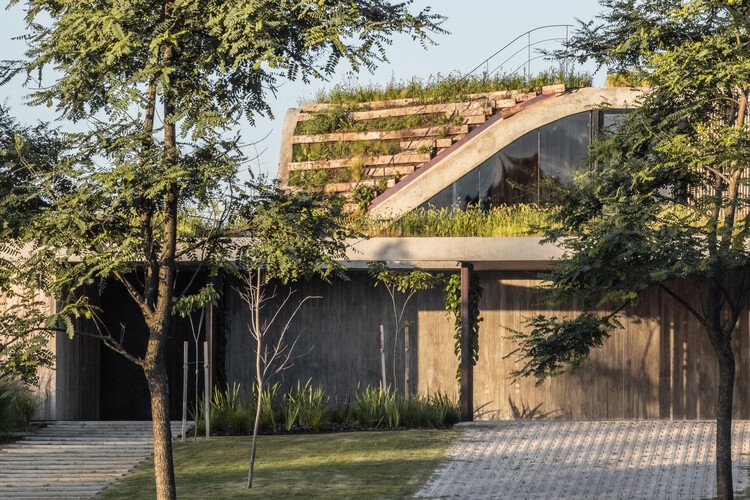
We’ve already started brainstorming the next phase: a solar‑panel canopy on the roof and a rain‑water harvesting system that feeds directly into an underground grey‑water filter. The sturdy AAC walls give us the confidence to add a green‑roof without worrying about overloading the structure.
If you’re contemplating a modular wooden house, pause and test the waters (literally). In a climate that swings between scorching sun and relentless rain, aerated concrete may be the unsung hero you need.
9. Final Thought
Our journey from a crumbling wooden kit to a robust, low‑maintenance AAC home taught us that the right material can make the difference between a “project” and a “home.” The sun and rain will always be part of life; the trick is to choose a building envelope that welcomes them instead of fighting them.
If you’ve had similar experiences—whether with wood, steel, or any other material—drop a comment below. Let’s keep the conversation going and help each other build homes that stand the test of time (and weather).
Happy building! ??