


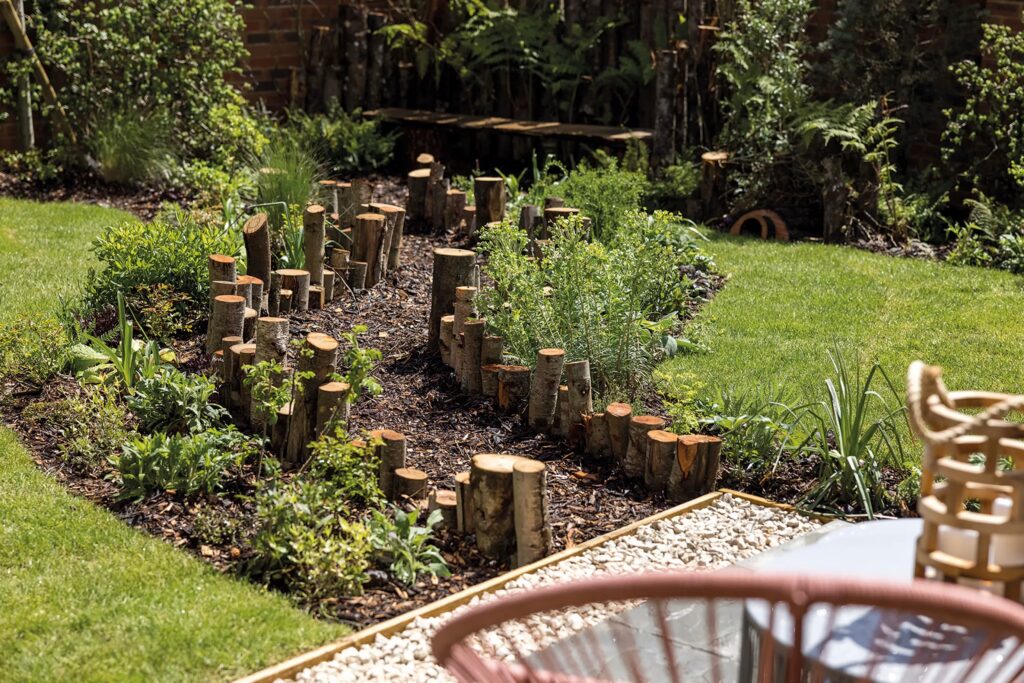
In an era of rapid urbanization, our backyards have become more than just private retreats—they are vital corridors for biodiversity. Whether you have a sprawling lawn or a modest urban courtyard, you have the power to create an essential sanctuary for two of our most precious, yet struggling, species: bees and hedgehogs.
Wildlife-friendly landscaping isn’t just about “letting it go wild”; it’s about strategic design that mimics natural habitats. By implementing a few sustainable practices, you can transform your outdoor space into a thriving ecosystem.
Why Bees and Hedgehogs Matter
Before we dig into the how, it’s important to understand the why.
- Bees are our primary pollinators. Without them, our food security—and the reproduction of countless wildflowers—would vanish.
- Hedgehogs are the gardener’s best friend. They are natural pest controllers, devouring slugs, snails, and beetles that would otherwise wreak havoc on your flowerbeds.
1. Attracting Bees: A Pollinator’s Paradise
To attract bees, your garden needs to provide a consistent “menu” throughout the year.
Plant for Continuous Bloom
Avoid the temptation to plant only during the spring. Choose a selection of flowers that bloom at different times, ensuring bees have nectar from early spring (primrose, crocuses) through to late autumn (sedum, ivy).
Choose Native Species
Native plants have evolved alongside local bee populations. They are often more resistant to local pests and provide the exact type of nectar and pollen that local bees require. Aim for “single” flowers rather than “double” varieties; double flowers have extra petals that often hide the pollen, making it physically difficult for bees to reach.
Go Chemical-Free
Pesticides and herbicides are the primary threats to bee health. They can disorient foragers or poison the hive. Instead, embrace natural pest control, such as using companion planting (e.g., planting marigolds to deter whitefly) or encouraging natural predators.
2. Supporting Hedgehogs: Creating a Safe Haven
Hedgehogs are nocturnal wanderers. To make them feel at home, you need to turn your garden into an obstacle-free, high-protein zone.
The “Hedgehog Highway”
The single most important thing you can do for hedgehogs is to ensure they can move between gardens. If your fences are solid, cut a 13cm x 13cm hole at the bottom. This allows hedgehogs to roam up to a mile a night in search of food and mates without having to cross dangerous roads.
Provide Water and Shelter
- Water: Keep a shallow dish of fresh water at ground level. Avoid milk, which is lactose intolerant for hedgehogs.
- Shelter: Leave a “wild corner” of the garden. A pile of logs, dead leaves, and brushwood provides the perfect nesting spot. If you want to go the extra mile, invest in a purpose-built hedgehog house to keep them safe through the winter hibernation period.
Avoid Ponds Without Exits
While a pond is great for biodiversity, hedgehogs can fall in and struggle to climb out. If you have a pond, place a ramp or a large stone pile at the edge to act as a ladder.
3. The Art of “Managed Wildness”
You don’t have to sacrifice aesthetics for ecology. Here are three design tips to balance beauty and wildlife:
- The Meadow Strip: Dedicate a small section of your lawn to wildflowers. Mow a path through it to make it look intentional and “designed” while leaving the rest to grow tall.
- Vertical Gardening: If you’re short on space, use climbing plants like honeysuckle or ivy. These provide essential nesting sites for birds and nectar-rich flowers for bees.
- Tidy Less: Resist the urge to clear away every dead leaf and twig in the autumn. That “mess” is home to hibernating insects and hedgehogs.
Creating a wildlife-friendly garden is a rewarding journey. As you introduce native plants and remove chemical barriers, you will notice the subtle changes: the return of butterflies, the hum of bumblebees in the morning, and the rustle of nocturnal visitors at night.
By landscaping for wildlife, you aren’t just gardening—you’re participating in the conservation of our local ecosystem, one flower at a time.
Are you ready to start your wildlife-friendly transformation? Start small by planting one native shrub this weekend, and watch your garden come to life!