


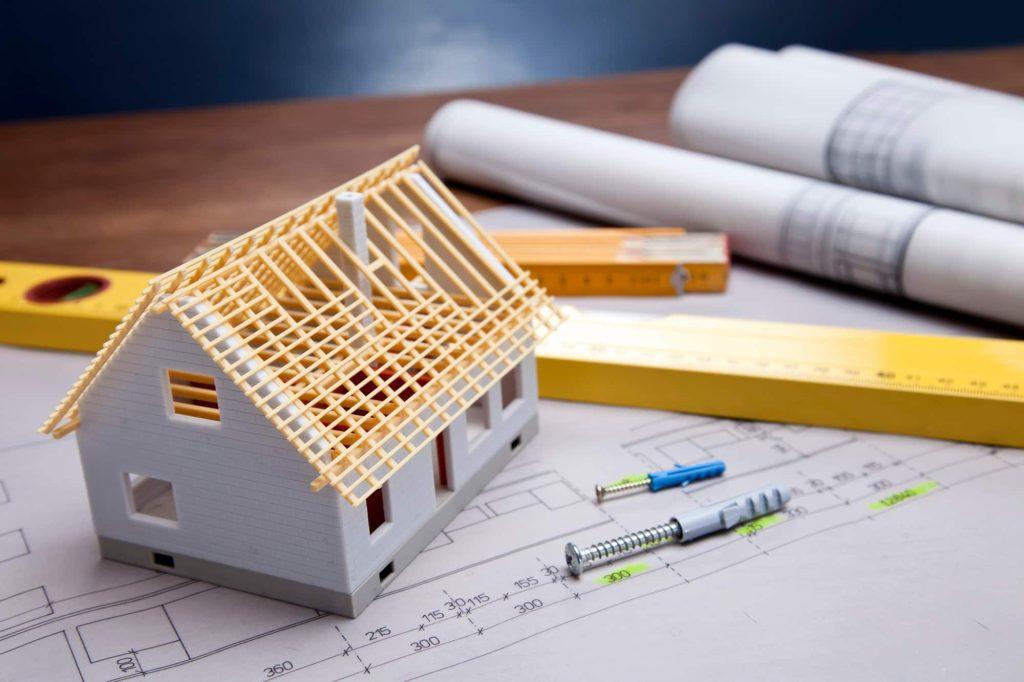
Building your first home is an exciting and rewarding journey, but it can also feel overwhelming if you don’t know where to start. With countless decisions to make and steps to follow, it’s essential to approach the process with a clear plan. This guide will break down the homebuilding process into manageable stages, offering tips and insights along the way to help you navigate this significant milestone with confidence.
1. Define Your Budget
Before diving into the planning and construction of your first home, it’s crucial to establish a realistic budget. A well-thought-out budget will help you determine what kind of home you can afford, preventing potential financial stress down the line. Your budget should include:
- Land Costs: The price of the plot where you plan to build.
- Construction Costs: Includes labor, materials, and any potential design fees.
- Permits and Fees: Building permits, inspection fees, and other local government requirements.
- Additional Costs: Landscaping, interior design, and unexpected expenses that may arise during construction.
It’s wise to consult with a financial advisor or a mortgage lender to explore financing options and get a clearer picture of what you can afford. Having your finances in order from the start will give you the flexibility to make informed decisions throughout the process.
2. Find the Right Location
Choosing the right location for your first home is as important as the home design itself. Factors to consider include proximity to work, schools, and amenities, as well as neighborhood safety and future property value. Here are a few tips:
- Research the Area: Investigate local real estate trends, crime rates, and the potential for future development.
- Accessibility: Ensure the location is convenient in terms of access to main roads, public transportation, and essential services.
- Neighborhood: Evaluate whether the surrounding community fits your lifestyle. Some people prefer quiet suburbs, while others enjoy the hustle and bustle of city life.
Once you’ve settled on the perfect location, ensure that the land is suitable for building and that any necessary utilities like water, electricity, and sewage are easily accessible.
3. Hire an Architect and Builder
The success of your homebuilding project depends heavily on the professionals you choose to bring your vision to life. Hiring the right architect and builder is crucial to ensure that your home meets your expectations in terms of quality, design, and budget.
- Architect: An architect will help design a home that matches your needs, lifestyle, and budget. They’ll work with you to create a floor plan, choose materials, and ensure that the design complies with local building regulations. If you’re unsure of your preferred design style, an architect can offer suggestions based on your lifestyle and preferences.
- Builder: A reliable builder or contractor will oversee the actual construction of your home. It’s essential to choose a builder with a solid reputation, relevant experience, and positive client reviews. Make sure to review their portfolio and ask for references.
Be sure to communicate openly with your architect and builder throughout the process to ensure that everyone is on the same page. Having a clear contract in place outlining costs, timelines, and responsibilities will also help avoid misunderstandings later on.

4. Design Your Home
Designing your home is where the fun truly begins. This stage allows you to personalize every aspect of your new home, from the overall layout to individual finishes and features. Some key considerations during the design phase include:
- Floor Plan: Think about how many bedrooms, bathrooms, and living spaces you’ll need, and how they should be arranged. Open floor plans are popular for creating a sense of spaciousness, while separate rooms offer more privacy.
- Style: Decide on the overall aesthetic of your home, whether it’s modern, traditional, or something in between. This will influence your choice of materials, colors, and architectural details.
- Sustainability: Incorporate eco-friendly materials and energy-efficient systems, such as solar panels, insulated windows, and water-saving fixtures. Sustainable design not only reduces your environmental impact but can also lead to long-term savings on energy bills.
- Future Needs: Think about how your needs might evolve over time. For example, if you plan on expanding your family, consider adding extra bedrooms or storage space.
At this stage, it’s also helpful to review your architect’s blueprints and 3D renderings to ensure you’re satisfied with the design before construction begins.
5. Obtain Permits and Approvals
Before breaking ground, you’ll need to secure the necessary permits and approvals from local authorities. This ensures that your home meets all building codes and regulations in your area. Depending on where you live, the permitting process may include:
- Zoning approvals
- Building permits
- Environmental assessments
- Inspections at various stages of construction
Working closely with your architect and builder will streamline this process, as they’ll be familiar with the specific requirements for your area. Obtaining permits can take time, so be prepared for some delays before construction begins.
6. Begin Construction
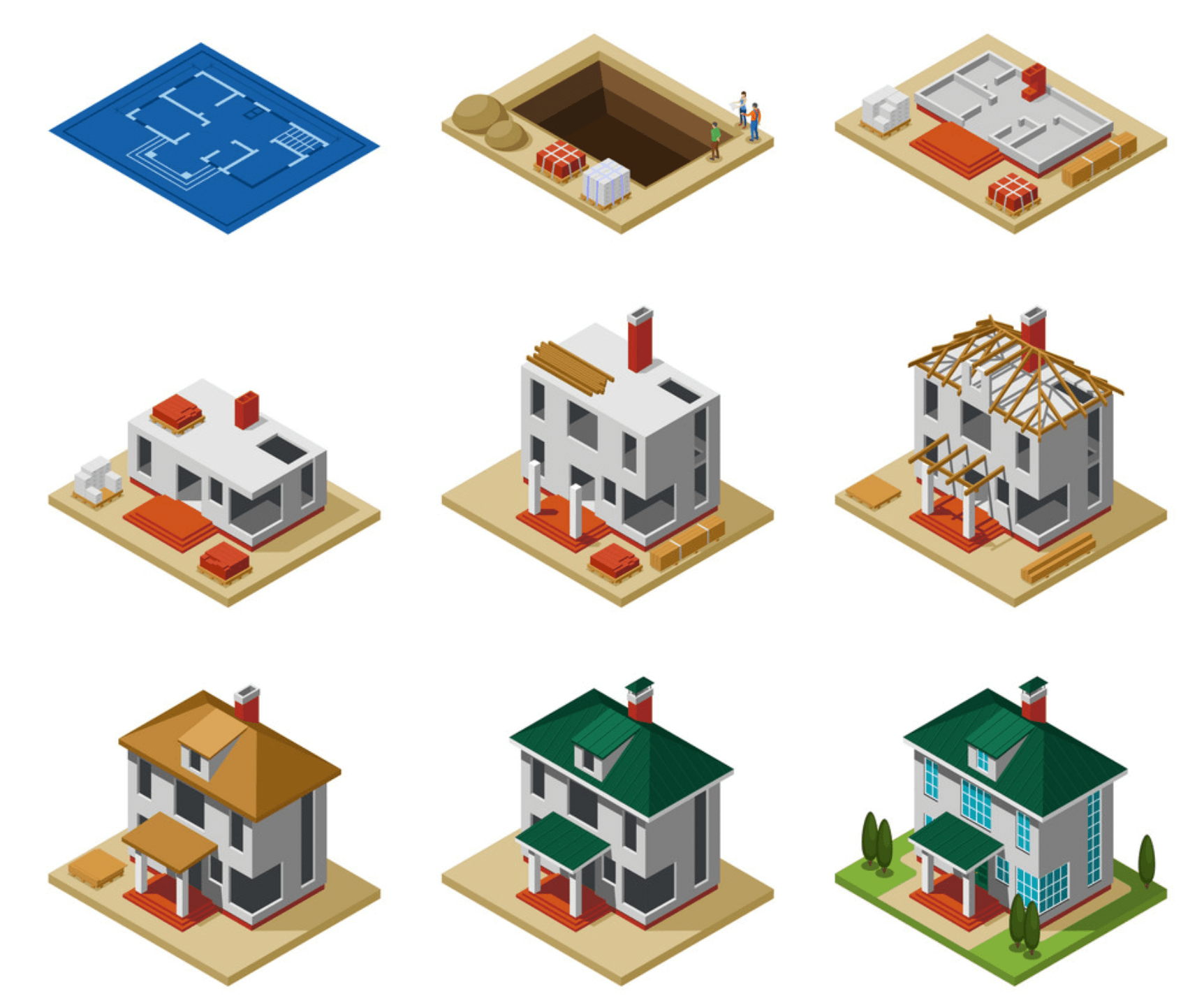
Once you have the permits and a solid plan in place, construction can officially begin. While every build is unique, the construction process generally follows these key phases:
- Site Preparation: The land is cleared and leveled, and the foundation is prepared. This may involve excavation work, depending on the terrain.
- Foundation and Framing: The foundation is laid, and the framework of your home is constructed. This phase includes the installation of walls, floors, and the roof structure.
- Systems Installation: Plumbing, electrical, and HVAC systems are installed once the framing is complete. Your builder will ensure that all systems meet code requirements.
- Interior and Exterior Finishes: This is where your home starts to take shape. Walls are painted, floors are installed, and exterior finishes such as siding or brickwork are completed. Cabinets, countertops, and fixtures are also installed during this phase.
- Final Inspections: Once construction is complete, a final inspection is conducted to ensure everything complies with local building codes and regulations.
Throughout construction, regular communication with your builder is crucial. Stay involved by visiting the site to check on progress and address any potential concerns early on.
7. Landscaping and Final Touches
With construction complete, you can turn your attention to landscaping and adding the final touches to your home. Consider how you want your outdoor space to look—whether it’s a simple lawn, a garden, or a more elaborate design with walkways, patios, and plants. Sustainable landscaping options, like native plants and water-efficient irrigation systems, can enhance your home’s eco-friendliness.
You’ll also want to furnish and decorate the interior of your new home. Whether you’re sticking to a specific design theme or mixing and matching different styles, this is your opportunity to make the space truly your own.
8. Move In and Enjoy
After months of planning and hard work, your new home is finally ready! Once you’ve moved in, take the time to settle into your space and enjoy the comfort and satisfaction of living in a home that’s uniquely yours. It’s also a good idea to keep in touch with your builder for any potential follow-up maintenance or warranty services.
Building your first home can be an intimidating process, but with careful planning and the right team, it’s an incredibly rewarding experience. From setting a budget and choosing the perfect location to designing your dream home and overseeing construction, each step brings you closer to a space that reflects your lifestyle and needs. By following this step-by-step guide, you’ll be well on your way to building a home that you can cherish for years to come.