
Category Construction

Transform Your Backyard How to Lay a Stunning Patio in One Weekend

Transform Your Backyard: How to Lay a Stunning Patio in One Weekend

There’s something incredibly satisfying about looking out at your backyard and seeing a space designed for relaxation, dining, and summer sunsets. If your garden is currently nothing more than a patch of grass, a patio is the ultimate upgrade—and the best part? It’s a project you can tackle over a single weekend. While it’s definitely a workout, laying a patio is a rewarding DIY task that can save you thousands in professional labor costs. Ready to level up your outdoor living? Here is your step-by-step…

Essential Tool Kit The 10 tools every homeowner should own

The Essential Toolkit: 10 Tools Every Homeowner Should Own

Congratulations—you’ve officially entered the world of homeownership! Whether you’re hanging your first picture frame or tackling a weekend DIY project, there is one reality you’ll quickly face: things break, and things need adjusting. Before you find yourself frantically running to the hardware store in the middle of a plumbing mishap, it’s best to be prepared. You don’t need a professional workshop to handle 90% of home maintenance tasks. You just need the right essentials. Here are the 10 tools every homeowner should have in their…

Thatch Roof Maintenance Everything You Need to Know About Master Reed

Thatch Roof Maintenance: Everything You Need to Know About “Master Reed”

If you’ve ever walked past a charming cottage with a golden, weather‑worn roof, you’ve seen a thatch roof at work. While its rustic appeal never goes out of style, keeping a thatch roof in top condition takes a little know‑how—especially when it comes to the secret weapon that roof‑ers call “master reed.” In this post we’ll unpack everything you need to know about thatch roof maintenance, why master reed matters, and how you can protect your investment for decades to come. Why Thatch Roofs Still…

Living Off‑Grid in the UK Solar Panels, Septic Tanks, and Boreholes

Living Off‑Grid in the UK: Solar Panels, Septic Tanks, and Boreholes

The appeal of living off‑grid has gone from fringe hobby to mainstream aspiration. With rising electricity bills, growing concerns over climate change, and an increasing desire for self‑sufficiency, more Britons are eyeing remote cottages, converted barns, and even purpose‑built tiny houses as their next home. But “off‑grid” isn’t just a buzzword – it’s a concrete lifestyle that requires careful planning around three core utilities: Utility Why It Matters Typical UK Solution Power Keeps lights, appliances, heating and electric vehicles alive Solar PV arrays + battery…

Listed Buildings The Pros and Cons of Owning a Grade II Property

Listed Buildings: The Pros and Cons of Owning a Grade II Property

Walking past a Victorian terrace with its ornate cornice, or spotting a 17th‑century farmhouse tucked behind a hedgerow, you’ve probably felt a flash of admiration for the craftsmanship of a bygone era. In the UK, many of these architectural gems are listed – legally protected because of their historic or architectural importance. If you’re considering buying one, you’ll most likely encounter Grade II properties – the workhorse of the listing system, accounting for over 90 % of all listed buildings. They’re the charming three‑bedroom townhouses, the converted barns, the art‑deco cinemas that give…

The Rise of Timber Frame Construction Why it’s gaining popularity in Britain

The Rise of Timber Frame Construction: Why It’s Gaining Popularity in Britain

If you walk through a new housing development in the Midlands, the South‑East, or even the highlands of Scotland, you’re more likely to spot sleek, timber‑clad homes than the brick‑and‑mortar blocks of a decade ago. Timber‑frame construction, once a niche market for eco‑enthusiasts, has surged into the mainstream of British building. In this post we’ll explore the drivers behind this shift, the benefits that timber brings to developers and homeowners, and what the future may hold for the UK’s timber‑frame boom. 1. A Green Agenda…

Insulating Your Home Comparing internal, external, and cavity wall insulation.

Insulating Your Home: A Clear‑Cut Comparison of Internal, External, and Cavity Wall Insulation

When it comes to making your home more comfortable, cutting energy bills, and reducing carbon emissions, insulation is the unsung hero. In the UK, where the weather can swing from chilly drizzles to scorching heatwaves, a well‑insulated house is a ticket to year‑round comfort. But “insulation” isn’t a one‑size‑fits‑all solution. Depending on the construction of your property, your budget, and your aesthetic preferences, you might choose Internal Wall Insulation (IWI), External Wall Insulation (EWI), or Cavity Wall Insulation (CWI). Each method has its own set of advantages, drawbacks,…

Permitted Development Rights How to extend your home without a full application.

Permitted Development Rights: How to Extend Your Home Without a Full Planning Application

If you’ve ever dreamed of adding a loft conversion, a rear extension or a single‑storey side wing, the thought of a lengthy, costly planning application can feel like a dead‑end. In England (and much of the UK), Permitted Development Rights (PDR) give you a legal shortcut to expand your home without the need for a full planning permission. This guide walks you through everything you need to know – from the basics of PDR to a step‑by‑step checklist that will help you get your extension approved quickly…

Planning permission uk beginners guide

The Beginner’s Guide to UK Planning Permission: What You Can and Can’t Do

If you’ve ever looked at a property and thought “I could turn that garage into a loft” or “What if I split this house into two flats?”, the first question you’ll hear is: “Do I need planning permission?” In the UK, planning permission is the tool local councils use to control how land and buildings are developed. Getting it right (or knowing when you don’t need it) can save you months of delay, money, and a hefty dose of frustration. This guide breaks down the…

Damp Proofing in the UK How to Tackle Rising Damp in Older Homes

Damp Proofing in the UK: How to Tackle Rising Damp in Older Homes

If you’ve ever walked into a room that smelled of damp earth, noticed salty crusts on your walls, or found paint peeling for no apparent reason, you’re probably dealing with rising damp. For owners of Victorian terraces, Edwardian semi‑detached houses, or any other period property, this is a common—and often frustrating—issue. Below is a practical, step‑by‑step guide to diagnosing, treating, and preventing rising damp in older UK homes. 1. What Exactly Is Rising Damp? Feature Description Definition Moisture that climbs up porous walls from the…

Finding a Reliable Builder How to vet contractors and avoid cowboys

Finding a Reliable Builder: How to Vet Contractors and Avoid “Cowboys”

When you’re ready to turn a blueprint into reality, the last thing you want is a “cowboy” contractor riding off into the sunset with half‑finished work, empty promises, and a dented budget. The good news? With a little homework and a solid vetting process, you can separate the pros from the charlatans and protect both your home and your hard‑earned money. 1. Start With a Clear Scope (Before You Even Call a Contractor) Why It Matters What to Do Sets expectations – both you and the…

Loft Conversions 101 Dormer vs. Velux — Which Is Right for Your Roof

Loft Conversions 101: Dormer vs. Velux — Which Is Right for Your Roof?

If you’ve ever stared at the empty space above your bedroom and imagined a new office, playroom, or master suite, you’re not alone. In the UK, a loft conversion is the fastest route to adding square footage without the hassle of an extension. But before you call a builder, you’ll need to decide how you want to bring light and headroom into that cramped attic. The two most popular options are dormer extensions and Velux (roof window) conversions. Below we break down the differences, weigh the pros and cons,…

Give up and build a house out of concrete – it will last forever

If You’re Dreaming of a Gardenhouse24 Country Cottage, Forget It – Build a Concrete Home That Will Last Forever

“Give up and build a house out of concrete – it will last forever.”That line might sound like a punch‑line from a construction‑site comedy, but the reality behind it is far more compelling. In a world where climate extremes, rising material costs, and the quest for low‑maintenance living dominate the conversation, a concrete house isn’t just an old‑fashioned “block‑and‑mortar” solution—it’s a smart, future‑proof investment. Below you’ll find a full‑blown, no‑nonsense guide that explains why a concrete home trumps the picturesque but fickle Gardenhouse24 country cottage, and…

Choosing Roofing Materials Slate vs. Natural Tile.

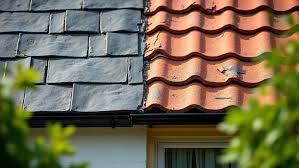
Choosing Roofing Materials: Slate vs. Natural Tile

When it comes to roofing, “beauty meets durability” is the mantra most homeowners live by. Two of the most timeless, high‑end options on the market are slate and natural (clay or concrete) tile. Both have been used for centuries, they age gracefully, and each brings a distinct personality to a home’s curb appeal. But which one is right for your climate, budget, and design vision? In this post we’ll break down every factor that matters—price, lifespan, installation, maintenance, energy efficiency, and more—so you can make an informed decision without the guesswork.…

Navigating the Party Wall Act A Guide for UK Suburban and Rural Projects

Navigating the Party Wall Act: A Guide for UK Suburban and Rural Projects

When planning an extension, a basement excavation, or even a new garden wall in the UK, homeowners often focus on planning permission and building regs. However, there is a third, equally critical hurdle: The Party Wall etc. Act 1996. In suburban developments and closely built rural clusters, this Act is the legal framework designed to prevent disputes between neighbors while allowing construction to proceed. 1. What Exactly is a “Party Wall”? Contrary to popular belief, a party wall isn’t just a wall shared inside a…

Navigating the Green Belt: How to Secure Planning Permission in Protected Areas

Navigating the Green Belt: How to Secure Planning Permission in Protected Areas

For many homeowners and developers in the UK, the Green Belt represents the ultimate “forbidden fruit.” Established in 1955 to prevent urban sprawl and preserve the character of the countryside, Green Belt land is subject to some of the strictest planning controls in the world. Securing planning permission here is notoriously difficult, but it is not impossible. Understanding the specific exceptions and the concept of “Very Special Circumstances” is the key to unlocking potential in these protected zones. The Fundamental Rule: “Inappropriate Development” The National…

Passivhaus in the UK

Passivhaus in the UK: Is a Truly Self-Sufficient Home Possible?

As energy prices fluctuate and the climate crisis intensifies, the concept of the Passivhaus (Passive House) has transitioned from a niche architectural interest to a mainstream ambition for UK self-builders. But for many, the ultimate dream isn’t just a low-energy home—it is the off-grid, fully autonomous house. In the context of the UK’s damp winters and grey skies, is it actually possible to build a home that requires zero external input for heat, water, and power? What Makes a Passivhaus? Before discussing autonomy, we must…

Managing Rainwater and Septic Systems in the UK

Rural Drainage Solutions: Managing Rainwater and Septic Systems in the UK

Living in the British countryside offers unparalleled peace and scenic views, but it also brings unique responsibilities—chief among them is off-mains drainage. Unlike urban areas, where waste and rainwater simply disappear into a public sewer, rural homeowners must act as their own mini-utility company. With the UK’s increasingly unpredictable weather patterns and stringent environmental regulations, managing rainwater and domestic sewage is no longer just about convenience; it is a matter of legal compliance and environmental stewardship. The Evolution of Sewage Treatment: Septic Tanks vs. Treatment…

Should You Replace Your Heritage Windows?

Triple Glazing Installation: Should You Replace Your Heritage Windows?

For homeowners in the UK, the battle against rising energy bills and the damp British winter is a constant struggle. When it comes to improving thermal efficiency, triple glazing is often touted as the “gold standard.” However, when your property is a Victorian terrace, a Georgian townhouse, or a quaint Edwardian cottage, the decision isn’t just about heat—it’s about heritage. The question remains: is the jump from single or double glazing to triple glazing worth the disruption and the potential loss of architectural character? Understanding…

The Top Construction Companies in the UK (2025)

Leading the Way: The Top Construction Companies in the UK (2025)

The United Kingdom’s construction sector remains a cornerstone of the national economy, navigating a landscape defined by massive infrastructure projects like HS2, a push toward net-zero carbon targets, and an increasing reliance on digital engineering. As of late 2025, the industry’s “big players” are distinguished not just by their multi-billion pound turnovers, but by their ability to innovate in a high-inflation environment. Below is a breakdown of the top construction firms currently dominating the UK market based on revenue, project volume, and strategic influence. 1.…

A Step-by-Step Guide to Managing Your Self-Build Project

A Step-by-Step Guide to Managing Your Self-Build Project

Taking on a “Self-Build” project is perhaps the most rewarding—and demanding—way to secure a home. Unlike buying from a developer, self-building allows you to control every penny spent and every material used. However, the transition from “dreamer” to “project manager” requires a shift from creativity to clinical organization. Here is a strategic roadmap to managing your own build, from the first stake in the ground to the final coat of paint. Phase 1: The Pre-Construction Foundation Before a single brick is laid, the success of…

Groundwork: Navigating the Challenges of Clay and Peat Soils

Groundwork: Navigating the Challenges of Clay and Peat Soils

In the world of construction, the soil is more than just a surface—it is the silent partner of your home’s foundation. While solid rock or gravel provides a predictable base, clay and peat are among the most difficult substrates an engineer can encounter. These “problematic” soils require specialized groundwork strategies to prevent the catastrophic structural failures often associated with shifting or sinking ground. The Two Troublemakers: Clay vs. Peat While both soils cause headaches for builders, they do so for very different reasons: Foundation Solutions…

Tackling Humidity and Dampness

Breathing New Life into Old Stone: Tackling Humidity and Dampness

Owning a property with historic stone walls is a dream for many—it offers character, thermal mass, and a tangible connection to the past. However, these structures come with a unique set of challenges, the most persistent being dampness. Unlike modern cavity walls designed to repel water, traditional stone masonry is “breathable.” When this natural equilibrium is disrupted, humidity builds up, leading to mold, crumbling mortar, and a chilly living environment. Here is how to diagnose and solve moisture issues in heritage masonry. Understanding the “Breathability”…