
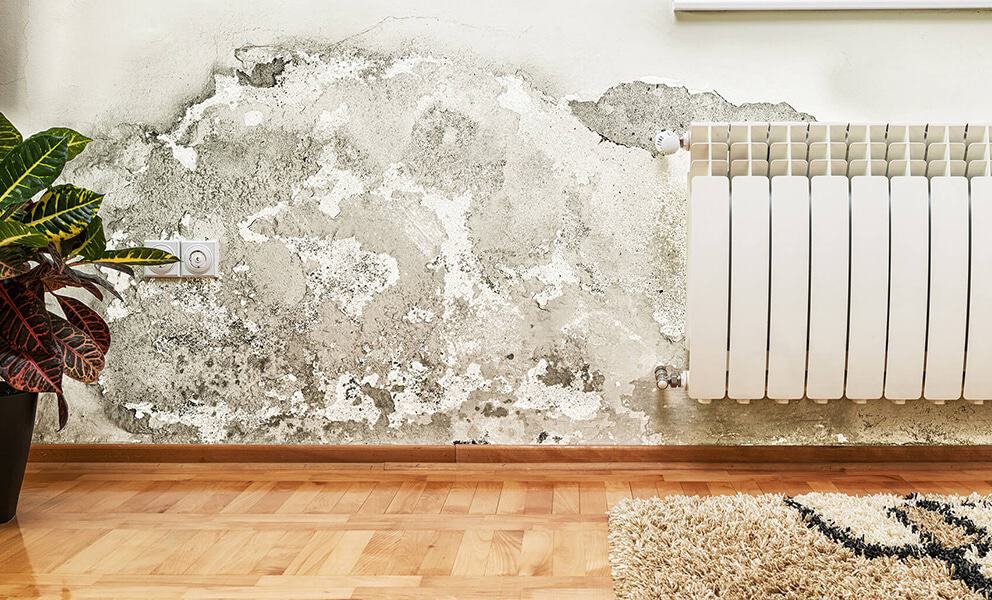
If you’ve ever walked into a room that smelled of damp earth, noticed salty crusts on your walls, or found paint peeling for no apparent reason, you’re probably dealing with rising damp. For owners of Victorian terraces, Edwardian semi‑detached houses, or any other period property, this is a common—and often frustrating—issue. Below is a practical, step‑by‑step guide to diagnosing, treating, and preventing rising damp in older UK homes.
1. What Exactly Is Rising Damp?
| Feature | Description |
|---|---|
| Definition | Moisture that climbs up porous walls from the ground, driven by capillary action. |
| Typical Height | Usually affects the lower 1 m – 1.5 m of a wall, but can rise higher if the wall is very porous or the source of water is persistent. |
| Key Drivers | • High ground‑water levels • Poor or missing damp‑proof course (DPC) • Cracked or breached DPC • Faulty drainage or blocked gutters |
| Common Signs | • Tacky, damp feeling on plaster • ‘Salt stains’ or white efflorescence • Peeling paint or wallpaper • Musty, earthy odour • Decayed skirting boards or timber flooring near the floor level |
Quick test: Touch the affected plaster. If it feels cold and damp after a few minutes, rising damp is likely.
2. Why Older Homes Are Prone
- Original Construction Methods – Many pre‑1950 houses were built with solid brick or stone walls and no synthetic damp‑proof membrane.
- Historical DPC Materials – Early DPCs used lead, bitumen felt or even clay. Over decades these can corrode, shrink, or be punctured by plumbing.
- Changing Ground Conditions – Modern drainage works, buried utilities, and even climate change can raise the water table around a property that was originally built on drier ground.
3. Assessing the Situation – A DIY Checklist
- Inspect the Exterior
- Look for cracks in the brickwork, especially near the base.
- Check the condition of the pointing and any repointing work.
- Ensure gutters, downspouts and the perimeter drainage (French drains, soakaways) are clear.
- Probe the Interior
- Use a moisture meter (available at most DIY stores) on the affected wall; readings above 12 % usually indicate a problem.
- Lift a small section of skirting board to see if the joist is damp.
- Locate the DPC
- In many older homes the DPC is a thick, horizontal strip of lead or bitumen placed roughly 150 mm above ground level.
- If you can’t see it, a professional will often use a borescope or a “DPC probe” to detect its position.
- Check for Other Damp Types
- Condensation (usually on the upper parts of walls) and penetrating damp (from roof or external walls) can mimic rising damp. Rule these out before you spend money on a cure.
4. Treatment Options – From Simple Fixes to Full‑Scale Renovation
| Approach | When It’s Suitable | What It Involves | Approx. Cost (UK) |
|---|---|---|---|
| Chemical DPC Injection | Minor breaches, accessible wall cavities | A specialist drills small holes in the wall and injects a water‑repellent resin that forms a new DPC in situ. | £25‑£45 per metre linear (labour excluded) |
| Physical DPC Installation | Severe DPC failure, major renovation | A new damp‑proof membrane (e.g., HDPE, bitumen felt) is inserted into a purpose‑made trench across the wall, sealed, and backfilled. | £80‑£120 per metre linear (incl. labour) |
| Electro‑Osmotic Systems | Heritage properties where wall alteration is prohibited | Low‑voltage electric current is passed through the wall to push moisture downwards. Works best as a supplement to a DPC. | £300‑£500 for a typical semi‑detached house |
| Re‑pointing & Wall Repairs | Cracked or missing mortar, deteriorated brick | Remove damaged mortar, replace with a breathable, lime‑based mortar. This restores the wall’s ability to “breathe” and reduces capillary rise. | £30‑£60 per square metre (labour) |
| Improved Drainage & External Works | High ground‑water, blocked gutters | Install a perimeter French drain, repair or replace downspouts, add a ground‑level grading slope away from the house. | £500‑£2,000 depending on scale |
| Internal Wall Lining (Dry‑Lining) | When wall refurbishment is planned anyway | Remove existing plaster, install a breathable insulation board (e.g., timber fibre) and new plaster or board panel. | £45‑£80 per square metre (incl. finishes) |
Tip: A combination of Chemical DPC + Re‑pointing + Improved Drainage often delivers the best value for typical Victorian terraces.
5. DIY vs Professional – How to Decide
| Factor | DIY | Professional |
|---|---|---|
| Skill & Equipment | Basic moisture meter, small drills, point mortar | Specialist tools (DPC probes, injection rigs), insurance, certifications |
| Risk of Mistakes | High – mis‑located DPC or inadequate injection can worsen the problem | Low – proper assessment, warranty, health & safety compliance |
| Time Investment | Several weekends (including learning curve) | Usually 1‑3 days for a full treatment |
| Cost | £200‑£600 (materials + limited labour) | £800‑£3,000+ (full service) |
| When to Choose | Minor, localized damp with visible DPC breach; confident with plasterwork | Any extensive, multi‑room damp; historic listed building; need of guarantees |
6. Step‑by‑Step Guide for a Typical Chemical DPC Installation
- Prepare the Area
- Remove furniture and cover the floor.
- Clear plaster from the intended injection line (usually 150 mm above floor).
- Drill Injection Holes
- Use a 10 mm core drill at 150 mm intervals along the wall, about 30 mm into the brick.
- Seal the Holes (Optional)
- Insert a small plug of breathable mortar to prevent surface moisture from entering the hole before injection.
- Inject the Resin
- Connect a low‑pressure pump and inject the hydrophobic resin until it seeps out of the opposite side of the wall.
- Cure & Test
- Allow 24‑48 hours for the resin to set.
- Re‑measure moisture levels – they should drop below 8 % within a week.
- Finish the Wall
- Re‑plaster with a breathable lime‑based render. Avoid heavy cement renders, which trap moisture.
7. Preventive Maintenance – Keep Rising Damp at Bay
- Annual Gutter Sweep – Blocked gutters force water onto walls, increasing ground moisture.
- Check External DPC Exposures – In garden walls where the DPC meets the ground, ensure a capping (plastic or bitumen) is intact.
- Mind the Indoor Humidity – Use extractor fans, de‑humidifiers, and keep interior heating on a low, constant level during winter.
- Avoid Over‑Plastering – Thick, non‑breathable plaster locks moisture inside the brick. Opt for 12–15 mm breathable renders.
- Monitor Ground Levels – If you add a loft conversion or a basement, ensure the new load does not shift the building’s settlement, which can crack the DPC.
8. Real‑World Example – A 1900 Terraced House in Manchester
| Issue | Action Taken | Outcome |
|---|---|---|
| Visible salt stains up to 1 m | Chemical DPC injection + re‑pointing of mortar joints + new French drain along the rear garden | Moisture readings fell from 18 % to 6 % in three weeks; no further efflorescence after 12 months. |
| Cracked lead DPC discovered | Replaced with a HDPE physical DPC during a full rear‑extension build | Long‑term protection; homeowner reports no damp despite higher local water table after recent flooding. |
Key takeaway: Even in a property over a century old, a targeted combination of modern chemistry and traditional masonry work can eradicate rising damp without compromising historic character.
9. Frequently Asked Questions
Q: Can I simply paint over rising damp?
A: No. Paint will trap moisture and the problem will resurface, often more aggressively.
Q: How long does a chemical DPC last?
A: When correctly installed, it can last 20‑30 years, sometimes the lifetime of the building.
Q: Is rising damp covered by home insurance?
A: Usually not, as it’s considered a maintenance issue. However, if the damp results from a covered event (e.g., burst pipe), you may claim the water damage, not the underlying damp proofing.
Q: My house is listed – can I still inject a chemical DPC?
A: Most listed‑building consent bodies allow minimally invasive treatments like injection, provided you preserve original fabric and document all works. Always check with the local conservation officer first.
10. Bottom Line
Rising damp is a preventable and treatable problem, even in the oldest British homes. By:
- Identifying the symptoms early,
- Understanding why the original DPC has failed,
- Choosing the right treatment (chemical vs physical DPC, drainage upgrades, or a blend), and
- Maintaining the building envelope through regular checks,
you can protect your property, preserve its historic charm, and keep the indoor environment healthy and comfortable.
Ready to act? Start with a simple moisture‑meter test this weekend. If the readings are high, call a reputable UK damp‑proofing specialist for a free survey—most will provide a detailed report and a clear, itemised quote before any work begins.
Want more hands‑on tips? Subscribe to our newsletter for a free checklist: “10 Things Every Victorian Homeowner Must Do Before Winter”.
Happy damp‑proofing!