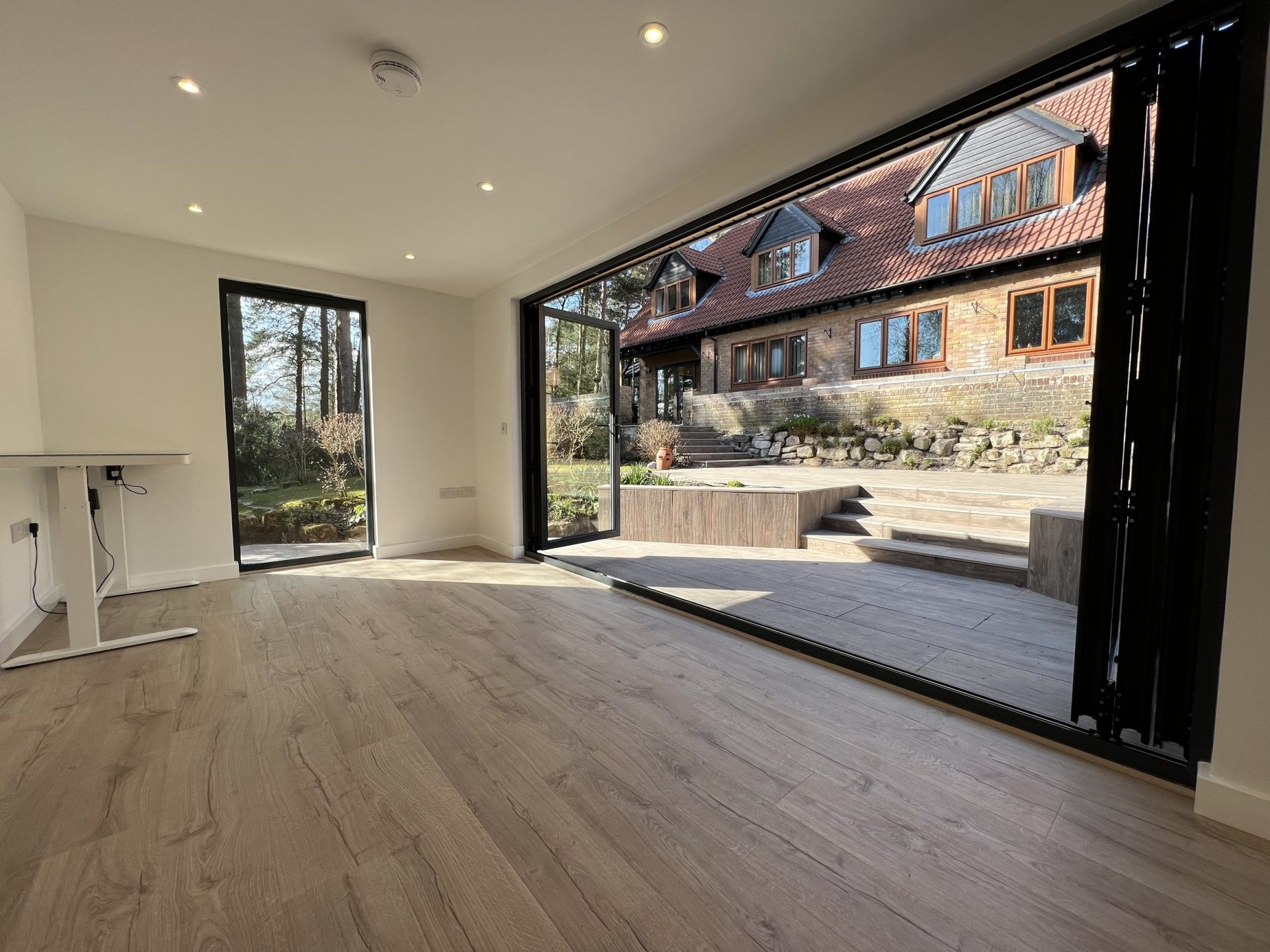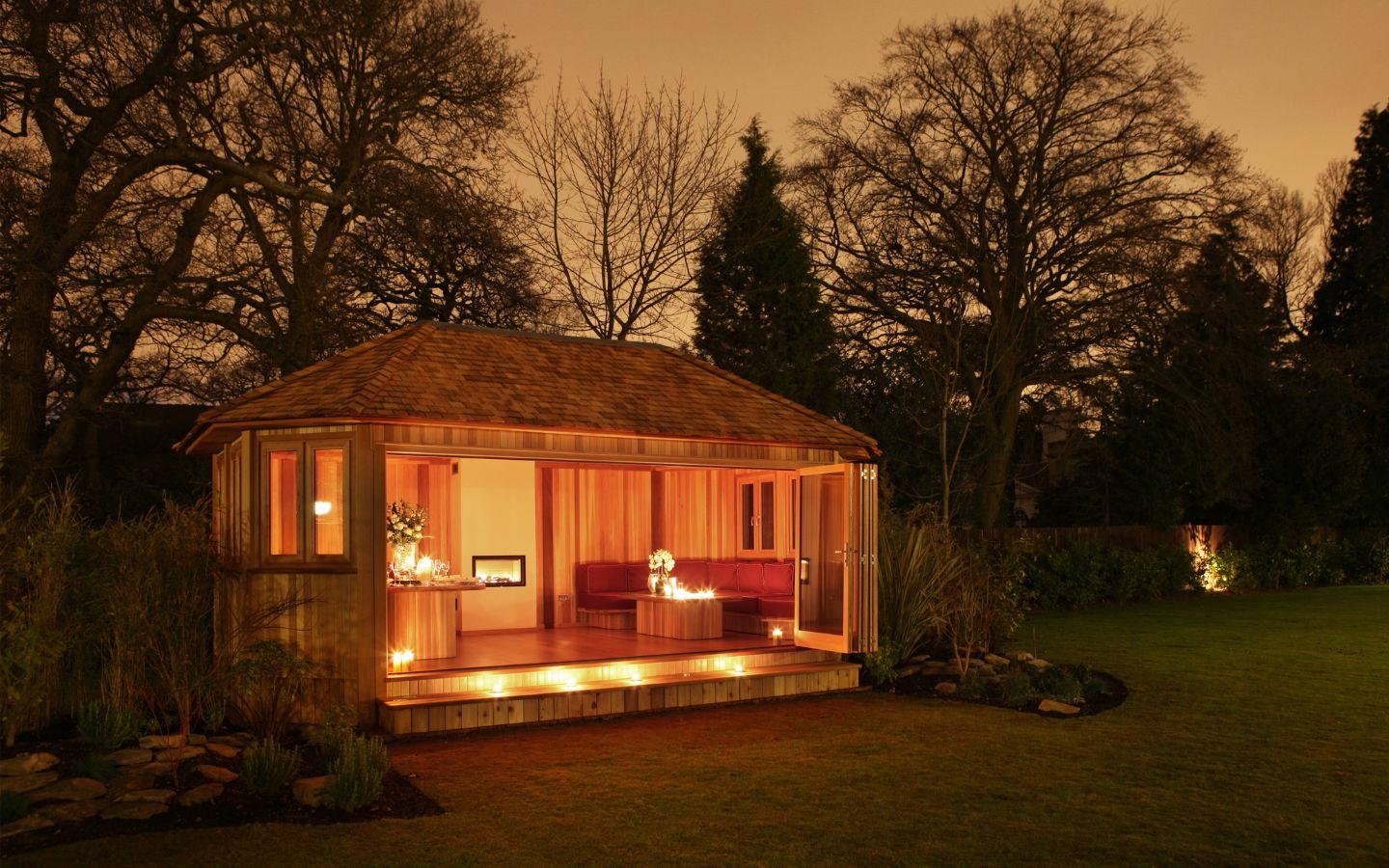
Category Construction

Garden House Maintenance Tips

Garden House Maintenance Tips: Keeping Your Structure in Top Shape

How to Extend the Life and Beauty of Your Outdoor Retreat ? Why Garden House Maintenance Matters A garden house—whether it’s a cozy reading nook, sleek home office, or rustic tool shed—is more than just an outdoor structure. It’s an investment in comfort, lifestyle, and property value. But like any building, a garden house requires regular care and attention to stay safe, functional, and attractive. Neglecting maintenance can lead to expensive repairs, structural damage, pest infestations, or moisture issues. The good news? With a proactive…

Garden House Roof Options

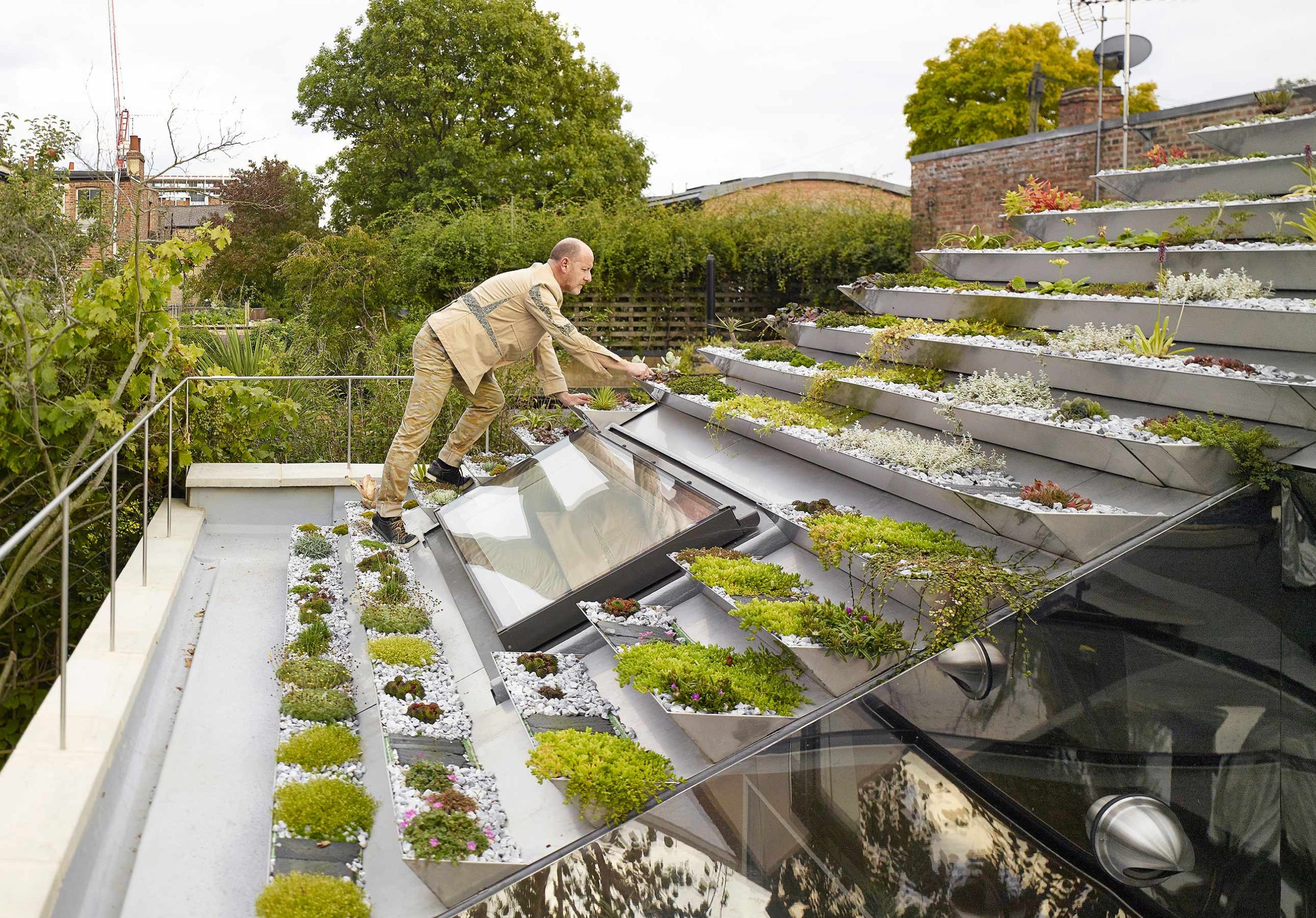
Garden House Roof Options: Durability and Aesthetics

A Practical Guide to Choosing the Best Roofing for Your Outdoor Retreat ? More Than Just a Cover The roof is one of the most important yet often overlooked elements of a garden house. It’s not just a barrier against the elements—it’s a design statement, an insulation layer, and a long-term investment. Choosing the right roofing option can dramatically impact your garden house’s durability, appearance, energy efficiency, and even resale value. Whether you’re building a modern backyard office, a cozy reading nook, or a functional…

Garden House Ideas for Eco-Friendly Living

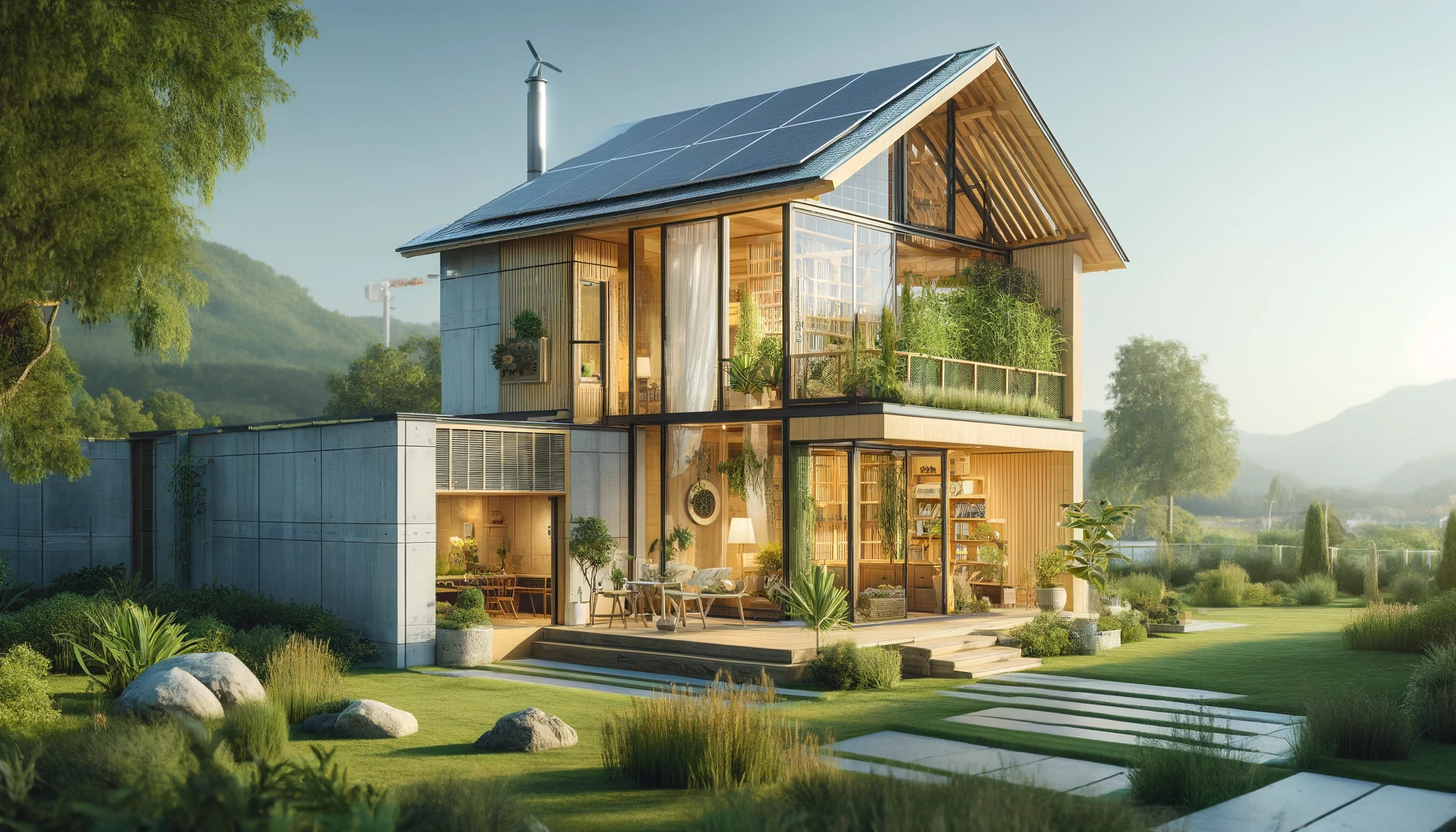
Garden House Ideas for Eco-Friendly Living

Designing a Sustainable, Green Retreat in Your Backyard ? A New Way to Live with Nature In the age of climate change and environmental awareness, more people are looking to live sustainably—not only in their homes but in their outdoor spaces too. A garden house is the perfect opportunity to practice eco-friendly living on a small, manageable scale. Whether used as a home office, guest space, yoga studio, or creative retreat, your garden house can be a model of low-impact design. From using recycled materials…

The Rise of the Modern Garden House

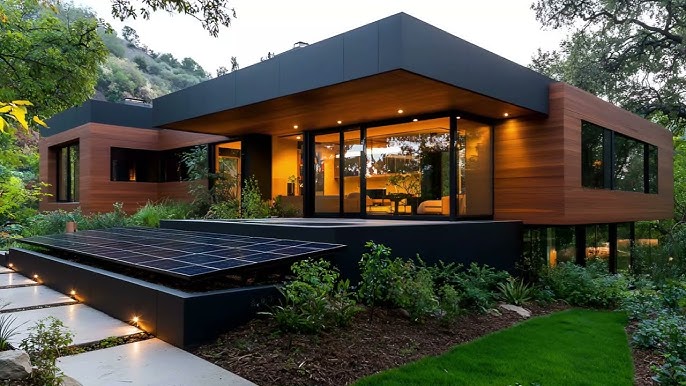
Modern Garden House Designs: Sleek and Contemporary

Your Guide to Creating a Minimalist, Stylish, and Functional Outdoor Retreat The Rise of the Modern Garden House In recent years, the traditional garden house has undergone a transformation. What was once a basic wooden shed for storage or gardening tools has now evolved into a stylish, fully functional extension of the home. Enter the modern garden house—a sleek, contemporary structure that blends minimalist design with practical living. Whether you’re envisioning a home office, creative studio, guest accommodation, or wellness space, modern garden house designs…

Garden House Windows and Doors

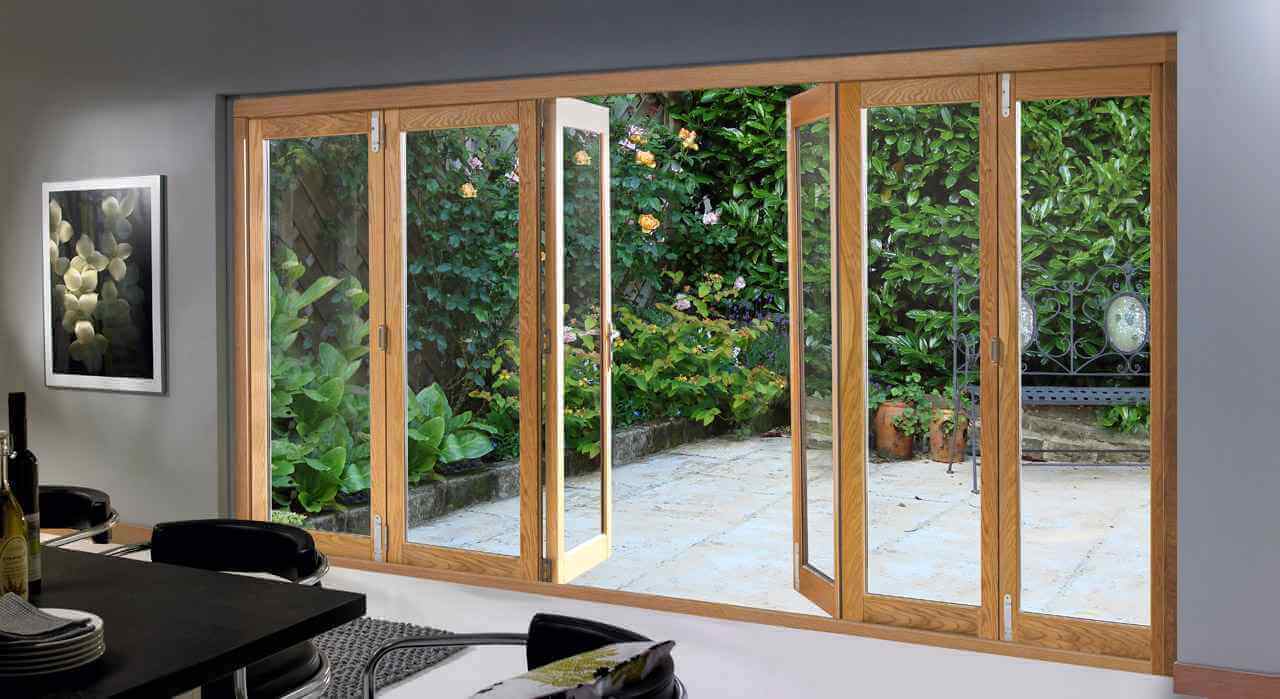
Garden House Windows and Doors: Choosing the Right Style

Your Complete Guide to Enhancing Light, Style, and Functionality The Power of the Right Windows and Doors When planning or upgrading a garden house, most people focus on structure, flooring, and furniture. Yet few elements influence your garden house’s appearance and comfort as much as its windows and doors. The right design not only defines the style of the garden house but also impacts natural light, ventilation, energy efficiency, and even security. Whether you’re creating a serene reading nook, stylish office, or welcoming guest space,…

Garden House Flooring Options

Garden House Flooring Options: From Wood to Tile

Choosing the Best Floor for Functionality, Comfort, and Style in Your Outdoor Retreat Why Flooring Choice Matters When building or renovating a garden house, most people focus on exterior design, insulation, and lighting—but the floor plays a critical role in both comfort and practicality. It sets the tone for the entire interior, affects the insulation and durability of the structure, and must suit the intended use of the space—whether it’s a cozy reading nook, home office, or studio. The best flooring for a garden house…

Garden House Heating and Cooling

Garden House Heating and Cooling: Staying Comfortable Year-Round

Practical Tips for Creating a Cozy and Climate-Controlled Outdoor Retreat Why Temperature Control Matters A garden house is a versatile addition to your property—it can serve as an office, studio, guest space, gym, or relaxation zone. However, no matter how stylish or well-furnished it is, a space that’s too cold in winter or hot in summer quickly becomes unusable. Whether you’re building a new garden house or looking to improve comfort in an existing one, heating and cooling should be part of your plan. Temperature…

Garden House Permits and Regulations: A Beginner's Guide

Garden House Permits and Regulations: A Beginner’s Guide

Everything You Need to Know Before Building Your Backyard Getaway ? Introduction: Why Permits Matter More Than You Think Building a garden house is an exciting project that can transform your outdoor space into a retreat, home office, guest room, or creative studio. But before you start ordering materials or hiring a contractor, there’s one crucial step many homeowners overlook — understanding permits and local regulations. Ignoring or misunderstanding these rules can lead to fines, forced removal, or costly legal issues. Whether you’re building a…

Garden House Building Materials

Garden House Building Materials: A Comprehensive Guide

Everything You Need to Know Before You Build Your Backyard Retreat ? Introduction: Building the Right Foundation for Your Garden House A garden house is more than just a charming addition to your backyard—it’s an investment in comfort, utility, and outdoor enjoyment. Whether you’re planning a cozy summer retreat, a garden office, or a guest room, the choice of building materials plays a vital role in the structure’s durability, functionality, appearance, and maintenance requirements. This comprehensive guide will walk you through the most commonly used…

How to Choose the Perfect Location for Your Garden House

How to Choose the Perfect Location for Your Garden House

More Than Just a Spot in the Yard Practical Advice for Planning a Beautiful and Functional Backyard Retreat. Adding a garden house to your outdoor space can be a dream come true—a private retreat, a cozy guest room, or even a stylish home office surrounded by nature. But before you build or install one, there’s a critical decision that determines its usability, comfort, and even legal compliance: choosing the right location. A poorly placed garden house can cause problems such as poor lighting, drainage issues,…

Garden House Construction Costs

Garden House Construction Costs: What to Expect

Planning Your Dream Garden House Wisely Building a garden house is one of the best ways to enhance your outdoor space and add functional square footage to your property. Whether you want a quiet home office, a hobby workshop, a cozy guest room, or a backyard retreat, garden houses come in many styles and sizes. But before you start picking paint colors or furniture, it’s crucial to understand the real costs of construction. This guide breaks down the average costs associated with building a garden…

Garden House Insulation: The Key to Energy Efficiency

Garden House Insulation: The Key to Energy Efficiency

Why Insulation Matters for Your Garden House As garden houses evolve from simple storage sheds to multifunctional spaces — home offices, guest rooms, studios, or gyms — their energy demands grow. Without proper insulation, these structures can become unbearably hot in summer and freezing in winter, making them unusable or extremely costly to heat or cool. Insulating your garden house is not just about comfort; it’s a long-term investment in energy efficiency, sustainability, and functionality. In this article, we’ll dive deep into the importance of…

The Ultimate Guide to Creating Your Dream Garden House

The Ultimate Guide to Creating Your Dream Garden House

Why Build a Garden House? A garden house is more than just a small structure tucked away in your backyard. It’s a sanctuary of peace, a place for hobbies, a guest retreat, a workspace, or even a private gym. As modern life grows more hectic, the need for personal space becomes increasingly essential. A well-designed garden house offers an escape without ever leaving home. In this comprehensive guide, we’ll explore every aspect of creating your dream garden house — from planning and design to materials,…

Where does home begin

Where does home begin?

Each person takes a long time to make this decision, someone is tired of wandering around rented apartments, someone finally wanted to separate from their parents, and someone is tired of the city noise and environmental problems of large cities. Having saved up a certain amount of money and bought a plot of land, we decide to lay the first stone. But, before taking the first step, you need to know what will be built on our site. To do this, you need to draw…

Proekt doma

What types of projects are more in demand today?

1. What types of projects are in greater demand today: cottages for permanent residence, country houses, or houses with a specific set of consumer characteristics?1. What types of projects are in greater demand today: cottages for permanent residence, country houses, or houses with a specific set of consumer characteristics? 2. What sources of information do you use when selecting projects for your clients (do you design, order from friendly architectural studios, use banks of ready-made projects)? From what sources do you learn about the wishes…

Construction of wooden houses on a turnkey basis choosing the type of house

Construction of wooden houses on a turnkey basis: choosing the type of house

For some, spectacular luxury and prestige, for others, just a desire to take care of their health – wooden houses have become an integral part of the modern life of every person. And this is not surprising, because the advantages of wooden houses, compared to reinforced concrete or brick, are obvious: the environmental friendliness of the material used, durability, external attractiveness and much more. If your immediate plans are to purchase or build a turnkey wooden house, seek help from specialists. Their experience and knowledge…

Secrets of energy efficiency of a cottage: from design to construction

Secrets of energy efficiency of a cottage: from design to construction

The energy efficiency of an individual house should be taken care of even before the design stage. General Director Alexander Vodovozov of Deutsche Wand explained why a cottage owner should discuss his architectural preferences with specialists and what to pay attention to when insulating it. The project as a starting point First of all, the future homeowner needs to choose the architect who will develop the project wisely. The fact is that the operating costs of heating and lighting a cottage depend largely on its…

Autonomous sewerage system for a country house

Autonomous sewerage system for a country house

   In individual construction, we strive to create the best conditions for living and recreation. To do this, during the construction process, it is necessary to meet a number of sanitary and hygienic requirements, in particular, to ensure the possibility of removing waste water (from sinks, toilets, washbasins, bathtubs, showers, etc.). Simply put, a household sewage system must be installed in the house and on the site. Sanitary fixtures and wastewater receivers For receiving waste water in premises, sewer pipes with a nominal bore of…

How to build a foundation

How to build a foundation?

The foundation is a structure that has essentially nothing to do with aesthetics, design, or style. And it is practically invisible. That is why future homeowners sometimes pay so little attention to it. And in vain… The cost of constructing a foundation is 15-20% of the total cost of the project (if there is a basement or ground floor – up to 30%), and the cost of violations of the zero cycle, even at first glance insignificant, can ultimately exceed all conceivable percentages. It is…

How to conduct electricity in a wooden house?

How to conduct electricity in a wooden house?

Country houses built from natural wood and panel houses built on the basis of wooden products are becoming increasingly popular. However, wooden houses have one significant drawback, which leaves a serious mark on the safety indicator of these residential properties. And this big minus is the excessive flammability of such buildings. Suppliers of wooden buildings can talk a lot about various fire retardants, which undoubtedly reduce the risk of fire. However, all the same, when building and operating a wooden house, it is necessary to…

Clay house: advantages and disadvantages

Clay house: advantages and disadvantages

Building a house from clay takes more time, but the result will bring great joy to the soul and preserve the health of its residents. Clay has been used in construction since time immemorial. In Europe, clay structures have survived that are a thousand years old. Clay used to be very popular, as it was one of the most accessible and cheapest building materials. Today, it is used little and usually for specific purposes. There are only a few brave souls who would not be…

Eco-house made of straw

Eco-house made of straw

Most of the population is very cautious about the use of chemicals in food and drink – preservatives, emulsifiers, colorings, antioxidants, other food additives, although they buy food without, as a rule, reading the composition on the packaging. People are very actively protesting against the use of chemicals in agriculture – herbicides, pesticides, defoliants, insecticides and even fertilizers. Everyone is in favor of “ecologically clean” products, they talk about it non-stop, but almost no one really knows what it is and how to distinguish it…

A Guide to Building Your First Home

A Guide to Building Your First Home: Step-by-Step Process

Building your first home is an exciting and rewarding journey, but it can also feel overwhelming if you don’t know where to start. With countless decisions to make and steps to follow, it’s essential to approach the process with a clear plan. This guide will break down the homebuilding process into manageable stages, offering tips and insights along the way to help you navigate this significant milestone with confidence. 1. Define Your Budget Before diving into the planning and construction of your first home, it’s…

When building a home, selecting the right construction materials is crucial to ensure durability, comfort, and energy efficiency. One of the most important factors to consider in this decision is the climate. The materials you choose should be suitable for the environmental conditions they will face. Whether your home is in a hot, cold, wet, or dry climate, each setting demands specific materials to maintain structural integrity and comfort. This article explores the best home construction materials for various climates, providing insights on how to build a home that stands the test of time and weather. Hot and Dry Climates In regions with high temperatures and minimal rainfall, such as deserts, it's essential to select materials that can resist heat and maintain cool interior temperatures. Some of the most effective materials for hot and dry climates include: Adobe: Adobe bricks are a traditional building material made from a mixture of sand, clay, and straw. They are ideal for hot climates because they have excellent thermal mass, meaning they can absorb heat during the day and release it at night, helping to regulate indoor temperatures. Concrete: Concrete is another material with high thermal mass. It’s strong and durable, able to withstand the high temperatures typical in dry areas. Insulated concrete forms (ICFs) can enhance its energy efficiency, keeping the home cooler during the day. Stucco: Widely used in Mediterranean and southwestern regions, stucco is a plaster-like material that is applied over a base of wood, brick, or stone. Its reflective properties help reduce heat absorption, making it suitable for homes in hot, dry climates. Additionally, roofs in these climates should be constructed with reflective materials, such as light-colored tiles or metal, to deflect sunlight and reduce heat gain. Hot and Humid Climates Building in hot and humid climates presents challenges such as excessive moisture and mold. Materials that resist moisture and allow for good ventilation are key to preventing damage and maintaining comfort. For hot and humid regions, consider the following: Treated Wood: In humid environments, untreated wood can rot or warp. Pressure-treated or naturally resistant woods like cedar or teak are better choices for framing and outdoor applications. Brick: Brick is highly durable in humid climates because it does not absorb excessive moisture. It’s also an excellent insulator, which helps in keeping the home cooler. Metal Roofing: Metal roofing is ideal in humid climates due to its ability to resist moisture and reduce mold growth. Additionally, it reflects solar radiation, keeping the home cooler in hot, humid weather. Proper ventilation is essential in these climates. Using wide eaves, roof ventilation systems, and moisture-resistant insulation helps in reducing the risk of mold and maintaining indoor air quality. Cold Climates Homes in cold climates need to retain heat efficiently while withstanding snow, ice, and freezing temperatures. The right materials will reduce heating costs and provide long-term durability. The following materials are well-suited for cold climates: Insulated Concrete Forms (ICFs): These forms provide a solid, energy-efficient wall system, offering excellent insulation and thermal retention, which helps homes stay warm in freezing weather. Timber: Wood is naturally insulating, making it a great material for cold climates. Timber framing can be combined with modern insulation methods to provide warmth and structural stability. Triple-Glazed Windows: In cold climates, windows are a primary source of heat loss. Triple-glazed windows feature three layers of glass, which improve insulation and reduce heat transfer, ensuring the home retains warmth more effectively. Roofs in cold regions should be designed to handle heavy snow loads, and materials such as asphalt shingles, metal, or slate, which shed snow easily, are recommended. Wet and Rainy Climates Constant rain can lead to mold, mildew, and rot, so building materials for wet climates must be highly resistant to moisture. For areas with frequent rainfall, these materials are ideal: Concrete Block: Concrete blocks are not only sturdy but also resistant to moisture, which makes them ideal for rainy climates. When used with waterproofing treatments, they help prevent water infiltration. Vinyl Siding: Vinyl is a popular choice for homes in wet climates because it doesn’t absorb water and resists mold and rot. It also requires little maintenance compared to wood siding. Fiber Cement: Fiber cement siding is a composite material made from cement, sand, and cellulose fibers. It is highly resistant to moisture, fire, and pests, making it a great choice for wet climates. Drainage systems are also critical in wet climates. Properly installed gutters, sloped roofs, and moisture barriers will help protect the home from water damage. Mixed Climates In regions where seasons bring a mix of hot, cold, dry, and wet conditions, homes need versatile materials that can perform well in a variety of environments. For mixed climates, focus on materials that provide insulation, moisture resistance, and temperature control, such as: Engineered Wood: Engineered wood products are designed to resist temperature fluctuations and moisture. They are more stable than solid wood and less likely to warp in changing conditions. Brick Veneer: Brick veneer offers a blend of insulation, weather resistance, and aesthetic appeal, making it a good choice for homes in climates with both hot summers and cold winters. Thermally Broken Windows: Windows with thermally broken frames prevent heat transfer, keeping homes cool in the summer and warm in the winter. They are an excellent choice for mixed climates. Conclusion Selecting the right construction materials based on your climate is a critical step in building a durable, energy-efficient home. Whether you’re in a hot, cold, wet, or mixed climate, choosing materials that complement the local environment will ensure that your home remains comfortable, structurally sound, and energy-efficient for years to come. With the right combination of materials, you can build a home that withstands the elements while providing a cozy and inviting living space for your family.

Choosing the Right Home Construction Materials for Your Climate

When building a home, selecting the right construction materials is crucial to ensure durability, comfort, and energy efficiency. One of the most important factors to consider in this decision is the climate. The materials you choose should be suitable for the environmental conditions they will face. Whether your home is in a hot, cold, wet, or dry climate, each setting demands specific materials to maintain structural integrity and comfort. This article explores the best home construction materials for various climates, providing insights on how to…