Underfloor Heating: Is It Compatible With Your Existing Flooring?

Underfloor Heating: Is It Compatible With Your Existing Flooring?

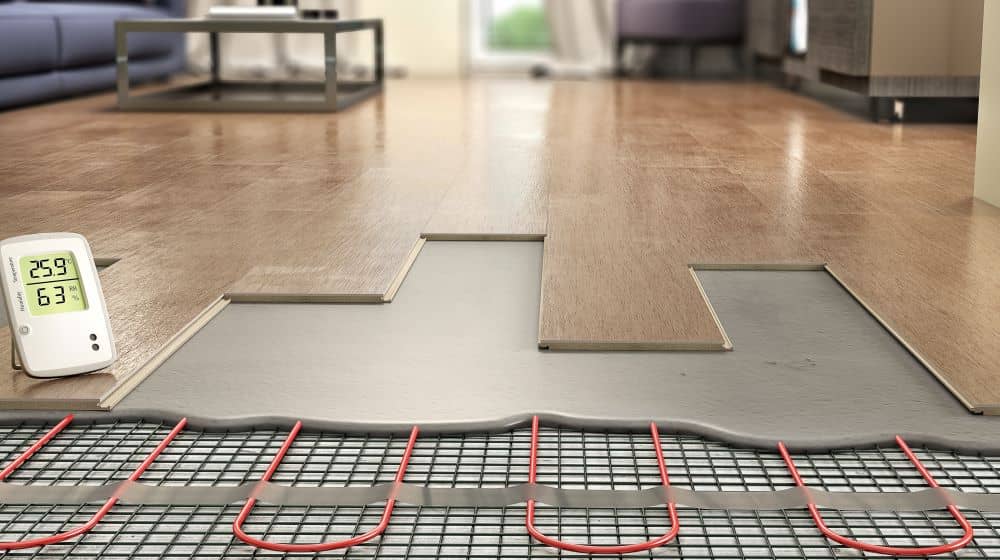
There’s nothing quite like the feeling of stepping onto a warm floor on a chilly winter morning. Underfloor heating (UFH) has transformed from a luxury indulgence into a standard feature of modern home design, prized for its energy efficiency, space-saving benefits, and consistent comfort. But a common question stops many homeowners in their tracks: “Can I install underfloor heating under my existing floors, or do I need to tear everything up?” The answer is: it depends. Compatibility relies on how well your flooring material conducts heat and how it reacts to temperature fluctuations. Here is your guide to understanding which floors…

Escape to Your Backyard: How to Transform Your Shed into a Personal Sanctuary

Escape to Your Backyard: How to Transform Your Shed into a Personal Sanctuary

We all crave a little extra space. Whether it’s a dedicated corner to unleash your creativity, a place to watch the game without interruption, or just a quiet nook to escape the chaos of household life, the solution might be sitting just a few yards away in your backyard. That weathered garden shed, currently housing nothing but rusty rakes and half-empty paint cans, is a goldmine of potential. It’s time to stop thinking of your outbuilding as storage and start seeing it as your new favorite destination. Here is how to turn a basic shed into the ultimate “She-Shed” or…

Basement Conversions: Is Digging Down Worth the Investment?

Basement Conversions: Is Digging Down Worth the Investment?

In the world of property development, there is a famous golden rule: “Don’t move, improve.” As property prices climb and the cost of moving house—stamp duty, legal fees, and agent commissions—soars, many homeowners are looking toward untapped potential. If you’ve run out of space to build out or up, it’s time to start looking down. Basement conversions—specifically “dig-downs” or subterranean extensions—are the ultimate luxury. They can effectively double your living space without changing the footprint of your home. But is digging down actually worth the investment? Let’s break down the realities of going underground. The Allure: Why Dig Down? The primary…

The “Snagging List”: What to Look for Before Signing Off on a New Build

The “Snagging List”: What to Look for Before Signing Off on a New Build

If you’ve ever walked through a brand‑new house and thought, “It looks perfect… except for that loose kitchen tap,” you’ve already experienced the reality of snagging. In the world of new‑build property, a snagging list is the final safety net that protects you from hidden defects, unfinished work, and costly surprises after you hand over the keys. In this post we’ll break down everything you need to know about snagging – what it is, why it matters, and, most importantly, exactly what to look for before you sign the completion paperwork. Grab a notebook (or open a new note on your phone) –…

Transform Your Backyard: How to Lay a Stunning Patio in One Weekend

Transform Your Backyard: How to Lay a Stunning Patio in One Weekend

There’s something incredibly satisfying about looking out at your backyard and seeing a space designed for relaxation, dining, and summer sunsets. If your garden is currently nothing more than a patch of grass, a patio is the ultimate upgrade—and the best part? It’s a project you can tackle over a single weekend. While it’s definitely a workout, laying a patio is a rewarding DIY task that can save you thousands in professional labor costs. Ready to level up your outdoor living? Here is your step-by-step guide to laying a professional-looking patio. Step 1: Planning and Prep (Friday Evening) Don’t skip…

The Essential Toolkit: 10 Tools Every Homeowner Should Own

The Essential Toolkit: 10 Tools Every Homeowner Should Own

Congratulations—you’ve officially entered the world of homeownership! Whether you’re hanging your first picture frame or tackling a weekend DIY project, there is one reality you’ll quickly face: things break, and things need adjusting. Before you find yourself frantically running to the hardware store in the middle of a plumbing mishap, it’s best to be prepared. You don’t need a professional workshop to handle 90% of home maintenance tasks. You just need the right essentials. Here are the 10 tools every homeowner should have in their kit. 1. The Tape Measure (25-foot) Measure twice, cut once. From figuring out if a…

Thatch Roof Maintenance: Everything You Need to Know About “Master Reed”

Thatch Roof Maintenance: Everything You Need to Know About “Master Reed”

If you’ve ever walked past a charming cottage with a golden, weather‑worn roof, you’ve seen a thatch roof at work. While its rustic appeal never goes out of style, keeping a thatch roof in top condition takes a little know‑how—especially when it comes to the secret weapon that roof‑ers call “master reed.” In this post we’ll unpack everything you need to know about thatch roof maintenance, why master reed matters, and how you can protect your investment for decades to come. Why Thatch Roofs Still Matter in the 21st Century Pros Cons Aesthetic charm – Instant curb‑appeal, especially for period homes,…

Living Off‑Grid in the UK: Solar Panels, Septic Tanks, and Boreholes

Living Off‑Grid in the UK: Solar Panels, Septic Tanks, and Boreholes

The appeal of living off‑grid has gone from fringe hobby to mainstream aspiration. With rising electricity bills, growing concerns over climate change, and an increasing desire for self‑sufficiency, more Britons are eyeing remote cottages, converted barns, and even purpose‑built tiny houses as their next home. But “off‑grid” isn’t just a buzzword – it’s a concrete lifestyle that requires careful planning around three core utilities: Utility Why It Matters Typical UK Solution Power Keeps lights, appliances, heating and electric vehicles alive Solar PV arrays + battery storage Waste Properly managing sewage is a legal requirement Septic tanks / composting toilets Water…

Listed Buildings: The Pros and Cons of Owning a Grade II Property

Listed Buildings: The Pros and Cons of Owning a Grade II Property

Walking past a Victorian terrace with its ornate cornice, or spotting a 17th‑century farmhouse tucked behind a hedgerow, you’ve probably felt a flash of admiration for the craftsmanship of a bygone era. In the UK, many of these architectural gems are listed – legally protected because of their historic or architectural importance. If you’re considering buying one, you’ll most likely encounter Grade II properties – the workhorse of the listing system, accounting for over 90 % of all listed buildings. They’re the charming three‑bedroom townhouses, the converted barns, the art‑deco cinemas that give our streets character. But owning a Grade II building is not just about bragging rights. It…

The Rise of Timber Frame Construction: Why It’s Gaining Popularity in Britain

The Rise of Timber Frame Construction: Why It’s Gaining Popularity in Britain

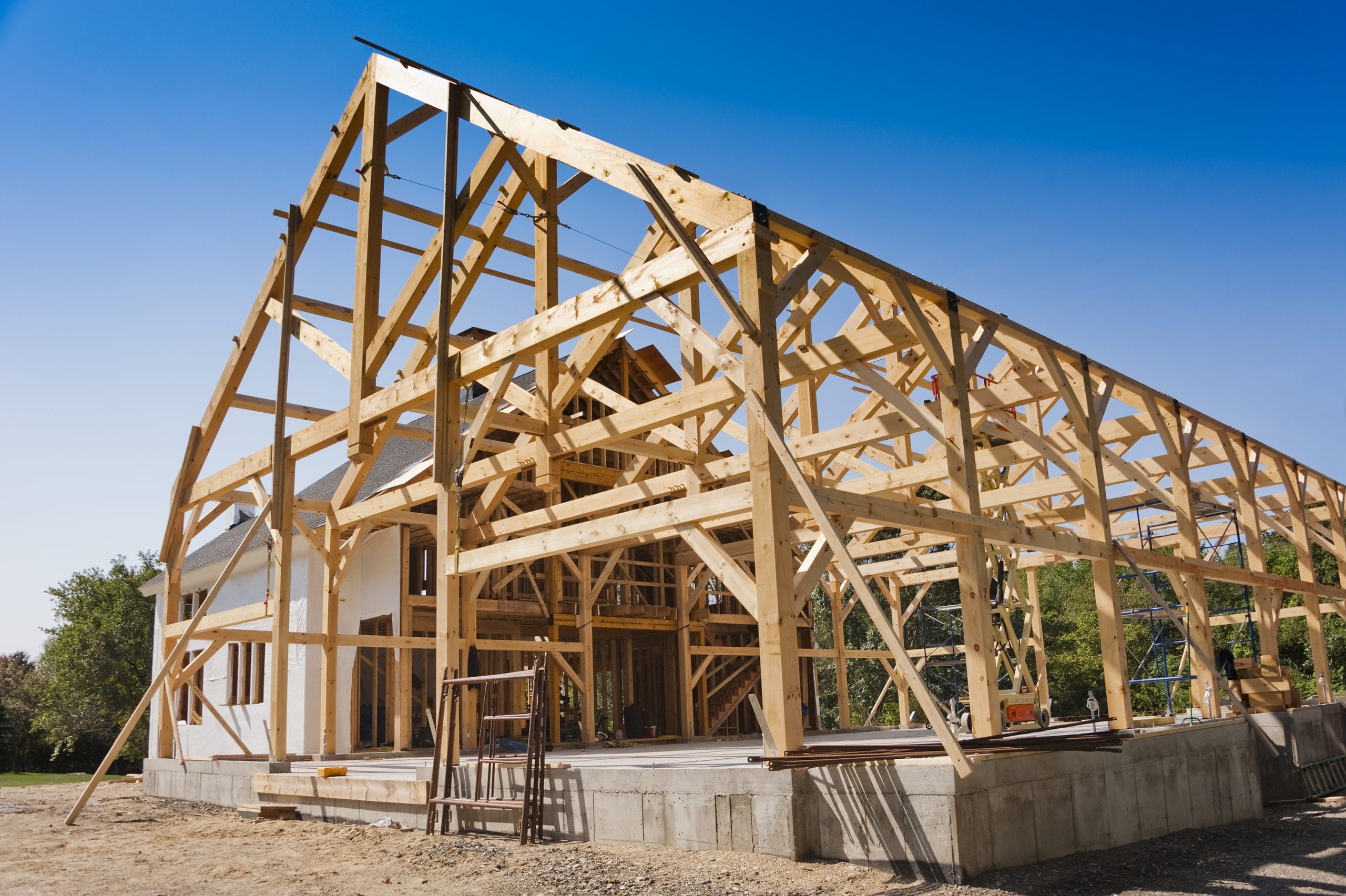
If you walk through a new housing development in the Midlands, the South‑East, or even the highlands of Scotland, you’re more likely to spot sleek, timber‑clad homes than the brick‑and‑mortar blocks of a decade ago. Timber‑frame construction, once a niche market for eco‑enthusiasts, has surged into the mainstream of British building. In this post we’ll explore the drivers behind this shift, the benefits that timber brings to developers and homeowners, and what the future may hold for the UK’s timber‑frame boom. 1. A Green Agenda That Actually Works Why it matters Timber’s contribution Carbon reduction Wood stores carbon – ≈ 1 tonne of CO₂…

Insulating Your Home: A Clear‑Cut Comparison of Internal, External, and Cavity Wall Insulation

Insulating Your Home: A Clear‑Cut Comparison of Internal, External, and Cavity Wall Insulation

When it comes to making your home more comfortable, cutting energy bills, and reducing carbon emissions, insulation is the unsung hero. In the UK, where the weather can swing from chilly drizzles to scorching heatwaves, a well‑insulated house is a ticket to year‑round comfort. But “insulation” isn’t a one‑size‑fits‑all solution. Depending on the construction of your property, your budget, and your aesthetic preferences, you might choose Internal Wall Insulation (IWI), External Wall Insulation (EWI), or Cavity Wall Insulation (CWI). Each method has its own set of advantages, drawbacks, and ideal scenarios. In this post we’ll break down the three main types, compare them…