
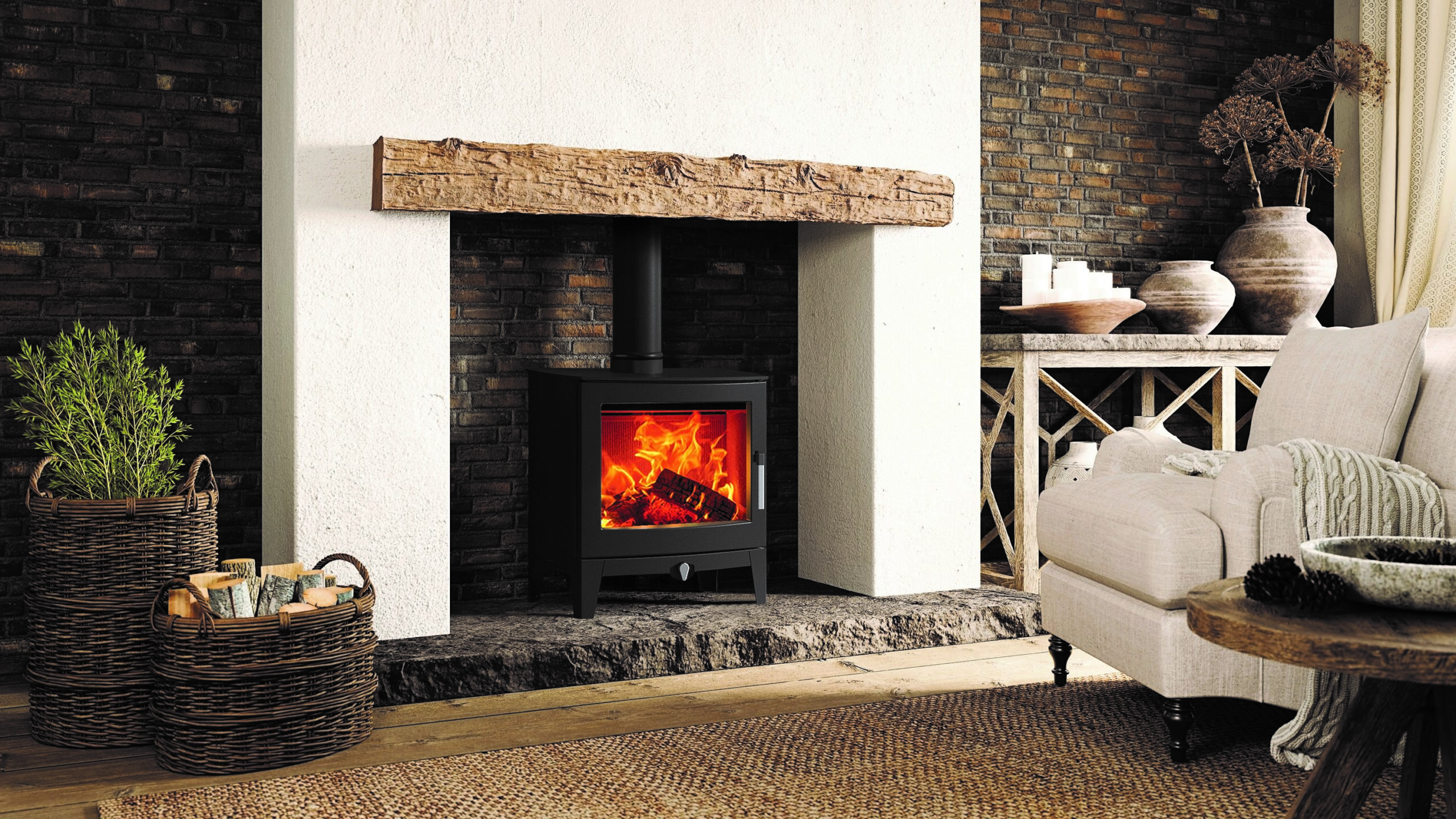
The warmth, ambiance, and increasing energy independence offered by wood-burning stoves and pellet burners have made them a popular heating choice in the UK, both in rural cottages and urban homes. However, installing these appliances is strictly regulated to ensure safety, minimize environmental impact, and comply with building regulations.
In the UK, the installation and use of solid fuel appliances are governed by Building Regulations (specifically Approved Document J – Combustion Appliances and Fuel Storage Systems), and local authority control, particularly concerning smoke emissions.
Here is a guide to the essential UK standards and requirements for installing wood and pellet stoves.
1. Regulatory Framework and Certification
The overarching goal of UK standards is to prevent fires, ensure proper ventilation, and control emissions.
A. Approved Document J (Building Regulations)
This document sets the technical standards for the installation of fireplaces, chimneys, flues, and heat-producing appliances. Key areas covered include:
- Hearth and Flue Requirements: Specifications for non-combustible materials surrounding the appliance.
- Ventilation: Requirements for adequate air supply for combustion and safety.
- Chimney Heights: Minimum heights and separation distances from neighboring properties.
B. Competent Person Schemes (HETAS)
The easiest way to ensure compliance is to use an installer registered with a Competent Person Scheme, most commonly HETAS (Heating Equipment Testing and Approvals Scheme).
- HETAS Certification: A HETAS-registered installer can self-certify their work, meaning the installation meets Building Regulations without the need for a separate inspection and sign-off by a local authority building control officer.
- Compliance Certificate: Upon completion, a HETAS installer issues a Certificate of Compliance, which is essential for home insurance and when selling the property.
2. Smoke Control Areas and EcoDesign
This is arguably the most crucial regulation affecting appliance choice in the UK.
- Smoke Control Areas (SCAs): Many towns and cities in the UK are designated as SCAs. In these areas, it is illegal to emit smoke from a chimney unless you are burning an authorised fuel or using an exempt appliance.
- Exempt Stoves: An appliance must be listed as “exempt” by the Department for Environment, Food & Rural Affairs (DEFRA) to be used in an SCA. These stoves have been tested to prove they can burn wood logs without emitting excessive smoke.
- EcoDesign 2022: As of January 2022, all new solid fuel stoves installed in the UK must comply with the strict EcoDesign directive. These standards mandate significantly lower levels of particulate matter (PM) and other harmful emissions, ensuring modern stoves are much cleaner and more efficient than older models.
Key Rule: If you live in an urban area, you must select an appliance that is DEFRA-exempt and EcoDesign-compliant.
3. Installation and Space Requirements
Specific clearances and materials are mandated for safety.
A. The Hearth
The appliance must sit on a non-combustible base called a hearth.
- Constructional Hearth: If the floor underneath is combustible (e.g., floorboards), a constructional hearth (a thick, load-bearing slab) must be installed.
- Decorative Hearth: Even with a non-combustible floor, a superficial decorative hearth is needed to indicate the area where heat or ash may fall.
- Dimensions: The hearth must extend a specified distance from the front and sides of the appliance, typically a minimum of 300mm to the front and 150mm to the sides.
B. Clearance to Combustibles
Minimum safe distances must be maintained between the stove body, flue pipe, and any combustible materials (wooden beams, plasterboard, furniture). These distances vary significantly depending on the appliance’s heat output and whether the flue pipe is single-walled or twin-walled (insulated).
C. Ventilation (Air Supply)
Stoves require a constant supply of air for safe and clean combustion.
- Room-Sealed Appliances (or “Room-Sealing”): Modern, highly insulated homes often need a dedicated external air supply (often ducting directly connected to the appliance) to prevent the stove from drawing air from other appliances or negatively impacting the home’s ventilation system.
- General Requirement: Appliances over a certain output (typically $5\text{kW}$) usually require a permanently open air vent to the outside unless the house has sufficient natural air permeability.
4. Flue and Chimney Standards
The flue system is critical for safely venting combustion gases.
- Lining an Existing Chimney: Most older UK chimneys require a flexible stainless steel flue liner when a new stove is installed. This ensures the flue is the correct size, minimizes condensation, and prevents smoke leakage into the home.
- Twin Wall Flue System (for no chimney): If the property lacks a suitable chimney, an external twin-wall insulated stainless steel flue system must be used. This system must terminate above the roofline at a specified height and distance from windows and neighboring properties.
Key Takeaway for UK Homeowners
Always treat wood and pellet stove installation as a project requiring certified expertise. Using a HETAS-registered installer and selecting an EcoDesign-compliant, DEFRA-exempt stove (if in a Smoke Control Area) is the safest and most legally sound route to enjoying the warmth of solid fuel heating in your British home.