
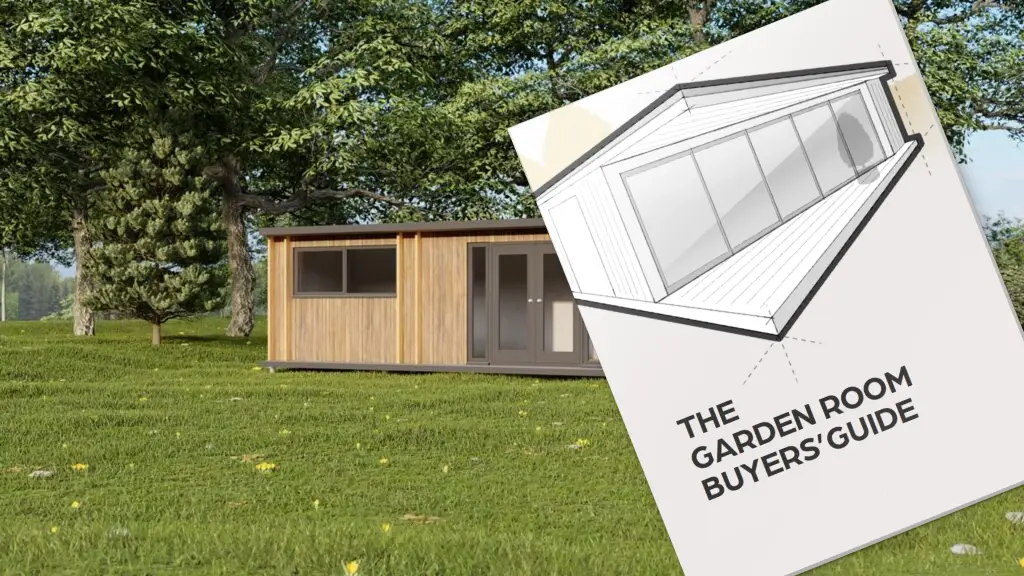
Ah, the garden room. The holy grail of modern living. Whether you’re dreaming of a peaceful home office, a creative art studio, a home gym, or the ultimate weekend hangout spot, a garden room is a fantastic way to add valuable square footage to your property without the stress of a traditional house extension.
However, before you get carried away picking out Scandi-chic furniture and deciding where the coffee machine will go, there are some serious logistical boxes to tick. To help you avoid costly mistakes and council nightmares, we’ve put together the ultimate garden room buying checklist.
Grab a brew, and let’s dive in.
Planning and Legalities (Don’t Skip This!)
Before you even look at brochures, you need to figure out the rules. While many garden rooms fall under “Permitted Development” (meaning no planning permission required), this is not a blanket rule.
Check Planning Permission: Does your build meet permitted development rules? Generally, it must be single-story, under 2.5 meters in height if within 2 meters of a boundary (max 4 meters for a dual-pitched roof), and cover less than 50% of your total garden area.
Do You Live in a Protected Area? If you live in a Conservation Area, a National Park, an Area of Outstanding Natural Beauty, or have a Listed Building, Permitted Development rights may be restricted or removed entirely. Check with your local planning authority.
Building Regulations: Usually, garden rooms under 15 square metres with no sleeping accommodation don’t need building regs. If it’s between 15 and 30 square metres, it’s usually fine as long as it’s at least 1 meter away from any boundary. If you plan to sleep in it or install a toilet/shower, rules change drastically.
Covenants and Deeds: Check your property deeds. Some housing developments have restrictive covenants that forbid outbuildings or commercial activities from home.
Site Assessment and Utilities
Your garden might look flat and spacious now, but how does it hold up to reality?
Access Check: How are the builders going to get materials to the site? Will they need to walk through your house, or do you have side/rear access? Narrow gates or tight alleyways can add to labour costs if everything has to be craned in or carried by hand.
Ground Conditions: Is your garden sloping, prone to flooding, or filled with heavy clay? The type of foundations you need (concrete slab, screw piles, or pad foundations) will depend heavily on your soil and topography.
Trees and Roots: Are there any Tree Preservation Orders (TPOs) nearby? Building too close to mature tree roots can damage the tree and destabilize your structure.
Utilities & Wi-Fi: How are you going to power it? You’ll need a trench dug for mains electricity. Also, think about heating/cooling (air conditioning units are popular) and internet access—will a Wi-Fi extender reach, or do you need a hardwired ethernet cable run from the house router?
Design, Specs, and Durability
A garden room is an investment in your home. You want something that will last decades, not just a couple of British winters.
Insulation is King: If you want to use your garden room 365 days a year, it needs to be properly insulated in the floor, walls, and roof. Look for structural insulated panels (SIPs) or high-grade timber framing with rigid foam insulation.
Windows and Doors: Double glazing is a must; triple glazing is even better. Aluminium frames offer a sleek, modern look and high durability, while uPVC is budget-friendly. Make sure they are thermally broken to prevent condensation.
Cladding Choices: What will it look like from the outside?
- Red Cedar: Gorgeous, low maintenance, but pricey (it fades to a silvery-grey over time unless treated).
- Larch/Pine: More budget-friendly, but requires regular staining/treatment.
- Composite Cladding: Zero maintenance, highly durable, but can look less “natural.”
Roofing: EPDM (rubber roofing) or fibreglass (GRP) are industry standards for flat roofs. They are hard-wearing and watertight.
Budget and Contractors
It’s easy for costs to spiral once you start adding luxuries. Protect your wallet with these checks:
Total Cost Breakdown: Does the quote include VAT? Does it include foundations, electrical hook-up to the house, delivery, and VAT? Beware of “base prices” that exclude crucial elements.
Turnkey vs. DIY/Shell: Are you buying a complete turnkey solution (where they build it, plaster it, wire it, and paint it), or are you buying a shell that you have to finish yourself?
Warranties and Guarantees: Reputable companies should offer a structural guarantee (look for 10 years minimum). Check what the warranty covers (e.g., does it cover roof leaks or timber rot?).
Read Reviews & Visit Showrooms: Don’t just rely on photos online. If possible, visit a show site to touch the materials, open the doors, and test the build quality. Read independent reviews on Trustpilot or Google.
Buying a garden room is an exciting project that can completely transform how you live and work. By taking the time to work through this checklist, you’ll ensure that your new space isn’t just beautiful to look at, but legally compliant, structurally sound, and built to last a lifetime.
Are you planning a garden room build soon? What’s going to be your primary use for it? Let us know in the comments below!