
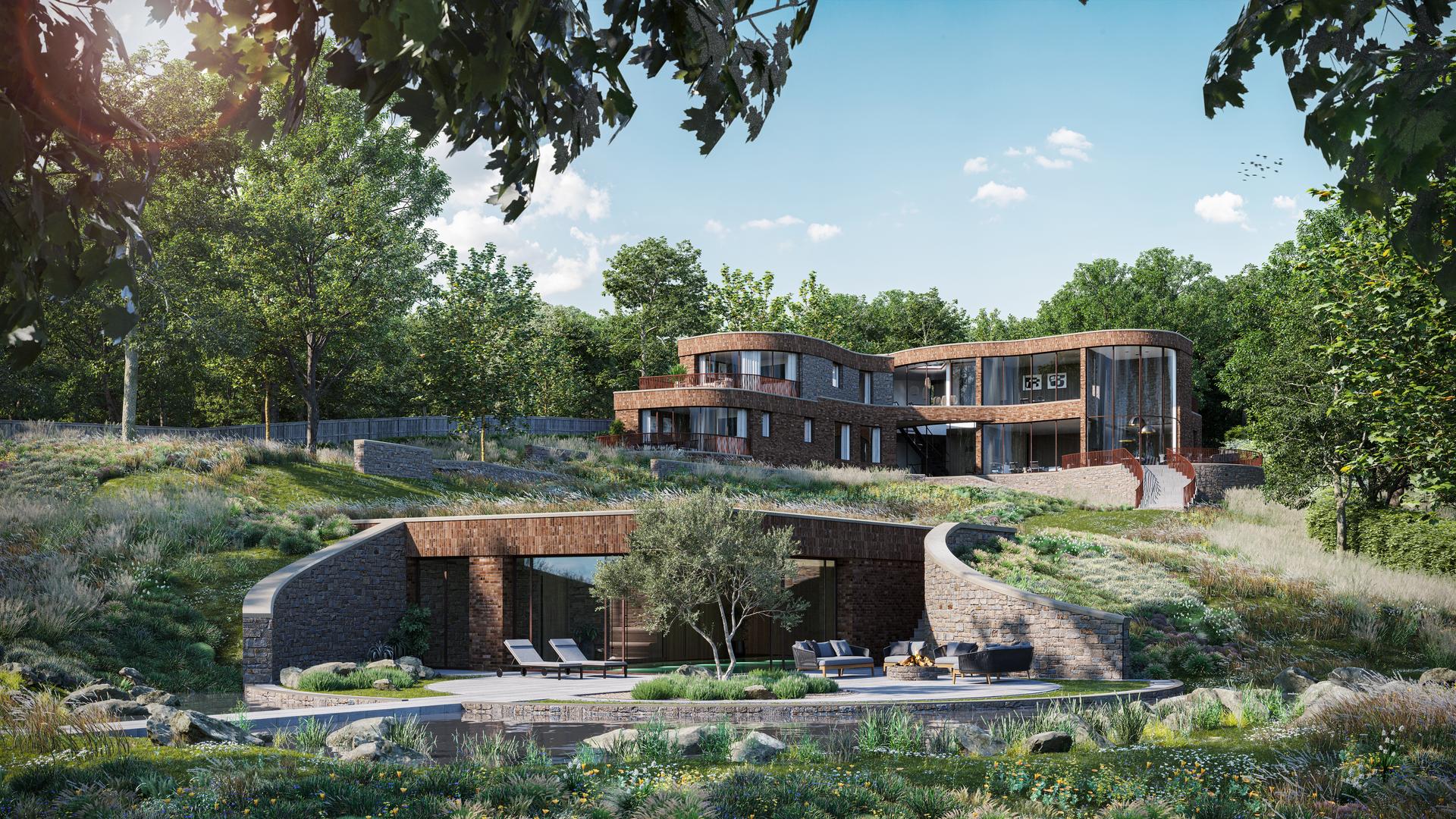
For many homeowners and developers in the UK, the Green Belt represents the ultimate “forbidden fruit.” Established in 1955 to prevent urban sprawl and preserve the character of the countryside, Green Belt land is subject to some of the strictest planning controls in the world.
Securing planning permission here is notoriously difficult, but it is not impossible. Understanding the specific exceptions and the concept of “Very Special Circumstances” is the key to unlocking potential in these protected zones.
The Fundamental Rule: “Inappropriate Development”
The National Planning Policy Framework (NPPF) starts with a baseline: most development in the Green Belt is considered “inappropriate” and, by definition, harmful to the openness of the land. To succeed, an applicant must prove that the benefits of their project clearly outweigh the harm caused to the Green Belt.
The 5 Key Exceptions: Where You CAN Build
Under Paragraph 149 of the NPPF, certain types of development are not considered “inappropriate.” These are your primary routes to approval:
1. Limited Infilling in Villages
If your site is located within a village boundary (even if that village is surrounded by Green Belt), you may be allowed to “fill the gap” between existing buildings.
2. Proportional Extensions or Alterations
You are generally allowed to extend an existing building, provided the new addition does not result in a “disproportionate addition” over and above the size of the original building. Local authorities typically use a threshold of 30% to 50% volume increase, though this varies by council.
3. Replacement Buildings
You can replace an existing building with a new one, as long as the new structure is for the same use and is not materially larger than the one it replaces.
4. Paragraph 84 (formerly Para 79) – “Grand Designs”
This is the “exceptional quality” route. If your design is truly outstanding, reflects the highest standards in architecture, and significantly enhances its immediate setting, you may be granted permission for a completely new isolated home.
5. Rural Exception Sites
Small-scale affordable housing schemes designed to meet the needs of the local community (rather than for-profit market housing) are often viewed favourably.
Proving “Very Special Circumstances” (VSC)
If your project does not fit into the exceptions above, you must demonstrate Very Special Circumstances. This is a high legal bar. A VSC case often combines several factors, such as:
- Environmental Improvement: Removing a derelict, unsightly industrial building and replacing it with a smaller, eco-friendly dwelling.
- Renewable Energy: Projects that provide significant green energy benefits to the local grid.
- Heritage Conservation: Securing the future of a listed building that would otherwise fall into ruin.
Tactical Advice for Applicants
| Do | Don’t |
| Engage in Pre-App: Always use the council’s Pre-Application advice service. | Assume “Brownfield” means “Yes”: Not all previously developed land in the Green Belt is eligible for building. |
| Focus on “Openness”: Use glass, low-profile roofs, and clever landscaping to show the land still feels “open.” | Ignore the Local Plan: Every council has a different interpretation of “disproportionate.” |
| Hire a Specialist: Use a planning consultant with a track record specifically in Green Belt applications. | Start without a Survey: Topographical and ecological surveys are non-negotiable. |
Patience and Professionalism
Getting a “Yes” in the Green Belt requires more than just a good design; it requires a sophisticated argument that respects the policy’s intent. While the government occasionally discusses “Grey Belt” (low-quality Green Belt land) for future housing, for now, the path to success remains narrow and technical.