
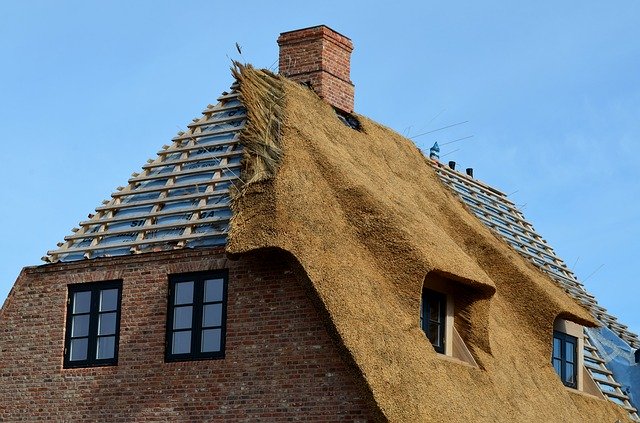
If you’ve ever walked past a charming cottage with a golden, weather‑worn roof, you’ve seen a thatch roof at work. While its rustic appeal never goes out of style, keeping a thatch roof in top condition takes a little know‑how—especially when it comes to the secret weapon that roof‑ers call “master reed.” In this post we’ll unpack everything you need to know about thatch roof maintenance, why master reed matters, and how you can protect your investment for decades to come.
Why Thatch Roofs Still Matter in the 21st Century
| Pros | Cons |
|---|---|
| Aesthetic charm – Instant curb‑appeal, especially for period homes, eco‑lodges, and heritage properties. | Higher maintenance – Requires regular inspections and occasional repairs. |
| Natural insulation – Thick thatch can keep interiors ~5°C cooler in summer and ~3°C warmer in winter. | Fire risk – Needs fire‑retardant treatments and proper clearance. |
| Sustainability – Made from renewable, locally sourced reeds, straw, or heather. | Limited lifespan – Without care, a thatch roof may need full replacement in 30‑50 years. |
| Longevity when cared for – Well‑maintained thatch can last 80+ years. | Skill shortage – Fewer craftsmen know the trade, driving up labor costs. |
So, if you already own a thatch roof or are considering one, the key to enjoying its benefits is maintenance. And that’s where master reed comes in.
What Exactly Is “Master Reed”?
Master reed is not a brand name or a fancy marketing term; it’s the name roof‑craftsmen give to the premium, long‑stem, high‑quality reed that forms the backbone of a thatch roof. Think of it as the “grade‑A” material that gives a thatch roof its structural integrity, water‑shedding ability, and visual uniformity.
Key characteristics of master reed:
| Feature | Why It Matters |
|---|---|
| Length (typically 1.2–1.5 m) | Longer stems overlap more layers, creating a tighter, water‑tight surface. |
| Uniform thickness (≈ 5–8 mm) | Consistency in thickness allows for even compaction and reduces weak spots. |
| Low moisture content (≈ 8–12 % at harvest) | Drier reeds dry faster after installation, limiting rot and fungal growth. |
| Straightness & minimal split‑ends | Straight reeds lay flat, minimizing gaps that let water seep through. |
| Natural fire‑retardant properties (when properly treated) | Reduces susceptibility to spark‑ignition, an essential safety factor. |
In short, master reed is the foundation of a durable thatch roof. If you’re buying a new roof or renovating an existing one, insisting on master reed is non‑negotiable.
How Master Reed Is Grown & Harvested
- Cultivation – Most master reed comes from cultivated beds of Phragmites australis (common reed) in wetland or river‑bank settings. Modern growers rotate the beds every 2–3 years to keep the soil nutrient‑rich.
- Timing – Harvest takes place in late summer (August‑September) when reeds have reached full height but before the seed heads mature. This timing yields the longest, strongest stems.
- Drying – Cut reeds are stacked in a single‑layer “reeding” arrangement, allowing air to circulate. They are left to air‑dry for 4–6 weeks until moisture drops below 12 %.
- Sorting – In a dedicated facility, workers (often using optical sorting machines) separate master reed from lower‑grade stems, weeds, and broken pieces.
- Treatment – Some suppliers apply a boron‑based fire retardant or a natural lime wash to improve durability and compliance with building codes. The treatment is non‑toxic and does not affect the reed’s breathability.
When you see a roof mat of master reed, you’re looking at a product that has passed four quality checkpoints before ever reaching the roof deck.
Installing Master Reed – A Quick Overview
Pro tip: Always work with a certified thatcher who knows the local building regulations and can handle master reed correctly.
| Step | What Happens | Why Master Reed Helps |
|---|---|---|
| 1. Roof Deck Preparation | Clean, level, and install a breathable under‑layer (often a breathable membrane). | Uniform deck ensures reed lays flat, maximizing the long stems’ overlap. |
| 2. First Layer (Base Course) | Lay master reed stems edge‑to‑edge, staggered like bricks, with the thick ends facing upward. | The long, thick stems create a solid “skeleton” that later layers cling to. |
| 3. Compaction | Using a specialized thatch comb or hand‑rake, compress each layer to about 65 % of its original thickness. | Compaction locks the reeds together, reduces wind uplift, and speeds water runoff. |
| 4. Subsequent Layers | Add 3‑5 more layers of progressively shorter reeds, each overlapped and compacted. | The longer master reeds at the base hold the whole roof together, preventing “slippage.” |
| 5. Ridge & Eaves | Finish with a clean ridge line and neatly trimmed eaves. | Master reed’s straightness makes a crisp, weather‑tight ridge. |
| 6. Post‑Installation Treatment | Apply a light lime wash or fire‑retardant spray if required. | Enhances longevity and meets fire codes. |
A well‑installed master‑reed roof should shed water within 30–45 seconds of a rain shower—any slower and you may have gaps or insufficient compaction.
Routine Thatch Roof Maintenance: The Master Reed Checklist
Below is a season‑by‑season maintenance plan that keeps master‑reed roofs in peak condition.
Spring (March‑May)
| Task | Frequency | Details |
|---|---|---|
| Visual inspection | Once (after the last frost) | Look for broken or missing reeds, especially around the ridge and eaves. |
| Clear debris | As needed | Remove fallen leaves, twigs, and bird nests; they trap moisture. |
| Check wind‑up | Once | Loose reeds can be gently re‑tucked with a thatch needle. |
| Fire‑retardant re‑application | Every 3‑5 years (if required) | Verify the existing coat; re‑spray if it’s worn thin. |
Summer (June‑August)
| Task | Frequency | Details |
|---|---|---|
| Mid‑season inspection | Once | Hot, dry weather can cause reeds to shrink and crack. |
| Moss & lichen control | As needed | Spot‑treat with a lime‑based wash; avoid harsh chemicals that damage reeds. |
| Ventilation check | Once | Ensure roof vents are clear to prevent excess heat buildup. |
Autumn (September‑November)
| Task | Frequency | Details |
|---|---|---|
| Post‑storm inspection | After any severe weather | Look for wind‑blown reeds, fallen branches, or roof‑deck damage. |
| Leaf clearance | Weekly during leaf‑fall | Prevent water‑logging under a layer of leaves. |
| Drainage assessment | Once | Verify that gutters and downspouts are free of blockages. |
Winter (December‑February)
| Task | Frequency | Details |
|---|---|---|
| Snow load monitoring | As needed | Heavy, wet snow can compress the thatch beyond safe limits. Lightly brush off excess snow with a soft broom. |
| Ice dam check | Once | Ice buildup at the eaves can force water under the reeds; use a roof‑safe de‑icing cable if needed. |
| Professional inspection | Annually (ideally early winter) | A certified thatcher can spot hidden weaknesses before they become costly repairs. |
Quick tip: Keep a maintenance log (digital or paper) with dates, photos, and notes. Over time this becomes a valuable record for future owners and insurers.
Common Issues & How Master Reed Helps (or Doesn’t)
| Problem | Typical Cause | Master Reed’s Role | Fix / Prevention |
|---|---|---|---|
| Water penetration | Gaps from settlement, wind‑up, or insufficient compaction. | Long stems reduce gaps but can still shift if not properly compacted. | Re‑compact the affected area; replace missing reeds. |
| Moss/lichen growth | Constant moisture, shaded areas, low pH. | Dense layering of master reed can inhibit moss, but it’s not immune. | Apply a lime wash; improve roof ventilation. |
| Rodent damage | Mice or rats chew on reeds for nesting. | Thick stems are harder to chew, yet not rodent‑proof. | Install a fine metal mesh under the first layer; use natural rodent deterrents. |
| Fire damage | Spark from chimney, lightning, or external sources. | Fire‑treated master reed resists ignition better than lower‑grade reeds. | Maintain clearance, install spark arrestors, and keep fire‑retardant coating current. |
| Structural sagging | Age, excessive weight, or weak roof deck. | Strong base course of master reed provides excellent support when the deck is sound. | Reinforce deck, replace deteriorated reeds, consider adding a hidden timber “crown” for extra support. |
Cost Overview – What Does a Master‑Reed Roof Actually Cost?
| Item | Approximate Cost (USD) | Notes |
|---|---|---|
| Master reed (per square meter) | $30‑$50 | Varies by region and supplier; bulk discounts possible. |
| Installation labor | $70‑$120 per sq m | Skilled thatchers command premium rates; includes compaction and finish work. |
| Fire‑retardant treatment | $5‑$10 per sq m (if not pre‑treated) | Required in many municipalities. |
| Annual maintenance | $0.5‑$2 per sq m | Depends on DIY vs. professional service. |
| Full roof replacement (30‑year lifespan) | $150‑$250 per sq m (incl. removal) | Typical life expectancy with regular maintenance. |
Bottom line: Although upfront costs are higher than a conventional tiled roof, the longevity, energy savings, and heritage value of a master‑reed thatch often make it a worthwhile investment—especially for period properties where a modern roof would diminish the building’s character.
Do You Really Need Master Reed? Alternatives & When to Choose Them
| Alternative | When It Might Be Acceptable | Pros | Cons |
|---|---|---|---|
| Standard reed (shorter, mixed grades) | Budget‑renovations, temporary structures (e.g., garden pavilions). | Cheaper upfront. | Shorter lifespan, higher maintenance, less water resistance. |
| Water reed (wet‑harvested, untreated) | Very traditional restorations where authenticity trumps performance. | Very authentic look. | Prone to rot, requires immediate installation after harvest. |
| Synthetic thatch (PVC or polymer) | Commercial buildings, high‑traffic areas, low‑maintenance budgets. | Extremely durable, fire‑resistant, low upkeep. | Lacks natural breathability, looks less authentic, environmental concerns. |
| Thatch blends (reed + straw) | Rural cottages where a rustic look is desired but budget is tight. | Good compromise on cost and aesthetics. | Inconsistent performance; straw degrades faster than reed. |
If you own a listed building, a heritage authority will almost certainly require master reed (or an equivalent high‑grade material) to meet preservation standards.
How long does master reed stay “fresh” after harvest?
Ideally, master reed should be installed within 12 months of drying. After that, the fibers become more brittle, and the natural fire‑retardant properties diminish.
Can I replace only a small patch of damaged reed, or do I need to re‑thatched the whole roof?
Small patches (≤ 1 sq m) can be repaired by a qualified thatcher using matching master reed. For larger areas (> 10 % of roof) a full re‑thatching is advisable to maintain visual and structural continuity.
Is a thatch roof environmentally friendly?
Yes. Reeds are renewable, biodegradable, and usually locally sourced, reducing transport emissions. The roof’s natural insulation lowers heating and cooling energy demand.
Do I need special insurance for a thatch roof?
Many insurers require a fire‑retardant treatment certificate and may charge a modest premium increase. Provide documentation of regular maintenance to obtain the best rates.
How can I tell if my roof’s master reed is deteriorating?
Look for yellowing, soft spots, hollow sound when tapped, and exposed “spike‑ends” where the reed has broken down. A professional inspection will confirm the extent of degradation.
Master Reed Is the Heartbeat of a Healthy Thatch Roof
A thatch roof isn’t just a decorative cap; it’s a living, breathing system that works best when every component is top‑quality. Master reed supplies the strength, water‑shedding ability, and aesthetic uniformity that let a thatch roof stand the test of time. By pairing premium material with a disciplined maintenance routine, you protect not only the roof itself but also the heritage, energy efficiency, and visual charm of your home.
Takeaway checklist:
- Insist on master reed for any new thatch project.
- Schedule seasonal inspections and keep a maintenance log.
- Treat the roof with fire retardant and a lime wash at regular intervals.
- Address issues early—small wind‑up or moss spots become big leaks fast.
- Work with certified thatchers who understand the nuances of master reed handling.
With those steps, your thatch roof will stay golden, resilient, and envy‑inducing for generations.
Ready to give your roof the master‑reed treatment it deserves? Contact a local thatching specialist today, and let the timeless elegance of a properly maintained thatch roof become part of your home’s story.