
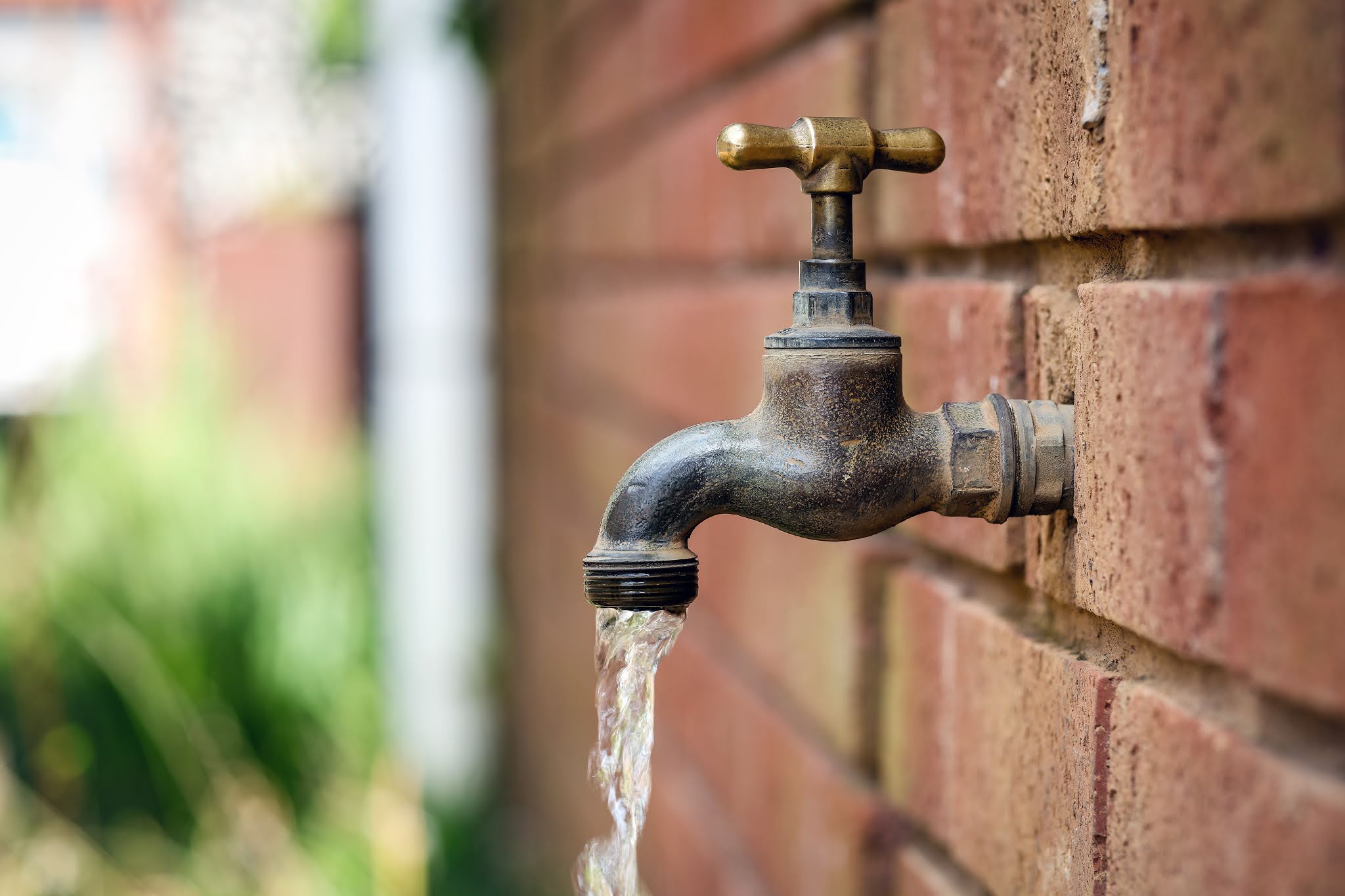
Living off‑grid or in a remote part of the countryside can feel like a dream, but it also brings a practical challenge that most city‑dweller never worries about: how do you get reliable, safe water?
In the UK, about 5 % of households are not connected to the mains water network. For many of these homes—mountain cottages, isolated farms, or eco‑villages—boreholes and wells offer the most realistic route to a steady water supply. In this post we’ll walk through:
- Why boreholes and wells are the go‑to solutions
- What the law says (permissions, health standards, and reporting)
- Technical basics – drilling, pumps, storage, treatment
- Cost & budgeting – from a modest shallow well to a deep‑drilled borehole
- Maintenance & sustainability tips
- Real‑world case studies from different UK regions
Grab a cuppa (from your own well, perhaps?) and let’s dive in!
1. Why Boreholes & Wells Are the Preferred Options
| Factor | Borehole (deep) | Well (shallow) | Rainwater Harvesting | Surface Water (streams, lakes) |
|---|---|---|---|---|
| Water availability year‑round | ✔️ (typically 30‑200 m below ground) | ✔️ (if the water table is high) | ❌ Seasonal, needs large storage | ❌ Dependent on weather & flow |
| Water quality | Generally good, but may need filtration (iron, manganese) | Can be high in contaminants (organic matter, surface runoff) | Very pure if roof is clean, but needs treatment for microbes | Usually requires heavy treatment (sediment, pathogens) |
| Installation complexity | High – professional drilling, licensing | Medium – hand‑dug or small auger, still needs permission | Low – gutters + tanks, but limited volume | High – engineering works, flood risk |
| Cost (initial) | £8,000‑£20,000 (drilling + pump) | £1,500‑£5,000 (excavation + pump) | £500‑£2,500 (tanks + filter) | £10,000+ (civil works) |
| Long‑term upkeep | Low to moderate (pump & water testing) | Moderate (cleaning, possible collapse) | Low (tank cleaning) | High (sediment removal, flood‑proofing) |
Bottom line: If you need consistent, year‑round water and you have a reasonable budget, a borehole is the most dependable choice. Shallow wells can work well in areas with a high water table (e.g., parts of East Anglia, the Fenlands, or the Scottish Highlands).
2. The Legal Landscape
2.1. Permission & Licensing
| Authority | What they control | Typical requirement |
|---|---|---|
| Environment Agency (EA) | Abstracting water from groundwater sources | Groundwater Abstraction Licence if you draw > 50 m³ per day (≈ 0.6 L s⁻¹). Small domestic abstractions (< 50 m³/day) are often exempt but still need to be reported. |
| Local Planning Authority (LPA) | Land use, drilling permits, site impact | Planning permission is usually not required for a domestic borehole, but you must notify the LPA and follow any local drainage or protected‑area rules. |
| Building Control | Installation of pumps, tanks, and pressure systems | Must meet Building Regulations Part G (Sanitation) and Part H (Drainage & Wastewater). A registered installer will handle certification. |
| Water Supply (Water Quality) Regulations 2023 | Drinking‑water quality standards (e.g., EU‑mandated limits) | Water must be tested for microbiological and chemical quality at least once a year (or more if you notice a taste/odor change). |
Quick tip: The EA’s “Groundwater Abstraction Licence – Small‑Scale Domestic Use” form is a 2‑page PDF that can be completed online. Expect a turnaround of 4‑6 weeks.
2.2. Health & Safety
- Water quality testing: Use an accredited lab (e.g., SGS, Eurofins) to test for E. coli, coliforms, nitrates, hardness, iron, manganese, and any region‑specific contaminants (e.g., arsenic in Cornwall).
- Electrical safety: All pump installations must be IP44+ rated and incorporate a Residual Current Device (RCD).
- Wellhead protection: Fit a well cap with a tamper‑proof seal to prevent contamination from animals or debris.
3. Technical Basics
3.1. Borehole Drilling
- Site Survey – Geophysical surveys (electrical resistivity) identify the best depth & avoid rock formations.
- Drilling method – Rotary or percussion drilling; the choice depends on geology.
- Casing & Screens – Stainless‑steel (AISI 316) or PVC casings protect the borehole; a sand‑screen at the bottom stops particulates.
- Pump selection –
- Submersible pump (most common) for depths > 15 m.
- Surface‑mounted turbine pump for shallow wells (< 15 m).
- Pressure tank & control system – A 200–500 L pressure vessel maintains constant pressure (40–60 psi) and reduces pump cycling.
3.2. Shallow Well Construction
| Step | Typical Action |
|---|---|
| Excavation | Use a mini‑excavator or manual auger to reach the water table (often 1‑3 m deep). |
| Lining | Lay a concrete ring or brickwell; install a permeable filter (sand/gravels) around the pipe. |
| Pump | Simple hand‑pump for occasional use or a small electric pump (12 V DC for solar). |
| Cover | Secure well‑head with a lockable lid and vent pipe to prevent backflow. |
3.3. Water Treatment Options
| Issue | Treatment Method | Approx. Cost |
|---|---|---|
| Microbial contamination | UV steriliser (12 W) + pre‑filter (5 µm) | £300‑£600 |
| Hardness (Ca/Mg) | Salt‑free water softener (magnetic) or ion‑exchange resin | £500‑£2 000 |
| Iron/Manganese | Aeration + Greensand filter | £800‑£1 500 |
| pH adjustment | Neutralising calcite filter or reverse‑osmosis | £400‑£1 200 |
A single‑stage UV + 5 µm filter will meet UK drinking‑water standards for most borehole water (assuming your lab tests show low iron/manganese).
4. Cost & Budgeting
| Item | Borehole (deep) | Shallow Well |
|---|---|---|
| Drilling & casing | £6 000‑£12 000 | £1 200‑£2 500 |
| Pump & power supply | £800‑£2 000 (submersible) | £300‑£800 (surface pump) |
| Pressure tank | £300‑£600 | £150‑£300 |
| Treatment system | £800‑£2 000 (UV + iron filter) | £400‑£1 200 (UV only) |
| Installation & certification | £1 000‑£1 500 | £500‑£800 |
| Annual water testing | £100‑£150 | £80‑£120 |
| Total first‑year outlay | £9 000‑£19 000 | £2 300‑£5 800 |
Financing tip: Many rural lenders offer green‑mortgages which allow you to roll a portion of the water system cost into your mortgage at a reduced rate, especially if you pair it with solar PV.
5. Maintenance & Sustainability
5.1. Routine Checks (Quarterly)
| Task | Who | Why |
|---|---|---|
| Inspect wellhead & cap | Homeowner | Prevents surface contamination |
| Check pressure tank pre‑charge | Homeowner/technician | Ensures stable water pressure |
| Pump noise & vibration | Technician | Early sign of wear |
| Water quality test | Accredited lab (annual) | Meets legal standards and health safety |
5.2. Extending the Life of Your System
- Solar‑Powered Pump – Reduces electricity costs and carbon footprint. A 300 W PV array + MPPT controller can run a 1 kW submersible pump 8‑10 h/day in most UK locations.
- Rainwater Integration – Combine a 5 000 L rainwater tank with your borehole. Use rainwater for non‑drinking purposes (toilet flush, garden) and let the borehole be a “back‑up” source.
- Grey‑water Recycling – Divert shower/bath water into a septic or infiltration trench; this reduces overall demand on the borehole.
- Smart Monitoring – Install a flow‑meter + remote sensor (e.g., a LoRaWAN water‑meter) to track consumption and detect leaks instantly.
6. Real‑World Case Studies
6.1. Highlands Hideaway – A 150 m Deep Borehole
Location: Near Fort William, Scottish Highlands
Challenge: No mains water, winter freezes to –10 °C.
Solution:
- 150 m rotary‑drilled borehole with 63 mm stainless‑steel casing.
- 1 kW submersible pump powered by a 2 kW solar array (battery bank for night).
- UV steriliser + iron‑removal Greensand filter (hard water).
- 500 L pressure tank gives 12 h of water even on overcast days.
Cost: £16 800 (including £2 500 grant from the Scottish Rural Development Programme).
Result: 24/7 water with no frost issues; annual water testing shows < 0.5 CFU/100 mL E. coli.
6.2. Norfolk Fen Farm – Shallow Well + Surface Water
Location: Norfolk Broadland
Challenge: High water table (1 m below surface) but occasional nitrate runoff from nearby fields.
Solution:
- Hand‑dug 3 m well lined with a brick ring, screened with sand.
- Small 400 W surface pump powered by a wind turbine (10 m high).
- Dual‑stage treatment: pre‑filter (10 µm) → UV → activated carbon for nitrate reduction.
Cost: £3 200 (self‑built with local tradespeople).
Result: Sufficient for a 4‑person household; nitrate levels dropped from 35 mg/L to 12 mg/L after treatment.
6.3. Cornwall Eco‑Village – Hybrid System
Location: Near Newquay, Cornwall
Solution:
- Two 80 m boreholes (each 10 kW submersible pump) for redundancy.
- 10 000 L rainwater tank feeding a solar‑thermal pre‑heater.
- Central smart‑control hub (Home Assistant) balances draw from borehole vs. rainwater based on forecast.
Cost: £28 000 (funded partly by the UK Rural Development Programme).
Outcome: 40 % lower electricity use than a grid‑connected pump; water usage per person 85 L/day (well below UK average).
7. Bottom Line – Which Solution Is Right for You?
| Situation | Recommended System |
|---|---|
| Deep, reliable supply needed year‑round | Deep borehole + submersible pump + UV |
| High water table, modest demand | Shallow well (1‑4 m) + surface pump |
| Eco‑conscious, want to minimize grid use | Solar‑powered borehole or wind‑powered shallow well |
| Limited budget, willing to use rainwater for non‑drinking | Hybrid: small well + large rainwater tank |
| Severe winter conditions (frost) | Borehole (below frost line) + insulated pump house |
Quick checklist before you start
- Check the water table – Use the British Geological Survey (BGS) maps.
- Apply for an EA licence (if >50 m³/day).
- Commission a geophysical survey – It saves money by pinpointing drill depth.
- Get quotes from at least three licensed drillers – Compare not just price but warranty and after‑service.
- Plan for treatment – Even “good” groundwater can have iron, manganese, or occasional microbes.
8. Resources & Further Reading
| Resource | Link |
|---|---|
| Environment Agency – Groundwater Licence Guidance | https://www.gov.uk/government/collections/groundwater-licensing |
| British Geological Survey – Water Resources Maps | https://www.bgs.ac.uk/geological-data/water/ |
| Ofwat – Water Quality Standards for Private Supplies | https://www.ofwat.gov.uk/water-quality/ |
| UK Rural Development Programme – Grants for Sustainable Water | https://www.gov.uk/rural-development |
| Water Quality Testing Labs (UK) | SGS UK – https://www.sgs.com/uk/ |
Want to Learn More?
Subscribe to the blog for monthly deep‑dives into off‑grid living, or drop a comment below with your own water‑supply story—whether you’ve just installed a borehole in the Scottish Highlands or are tinkering with a hand‑dug well in Cornwall.
Stay hydrated, stay sustainable.