
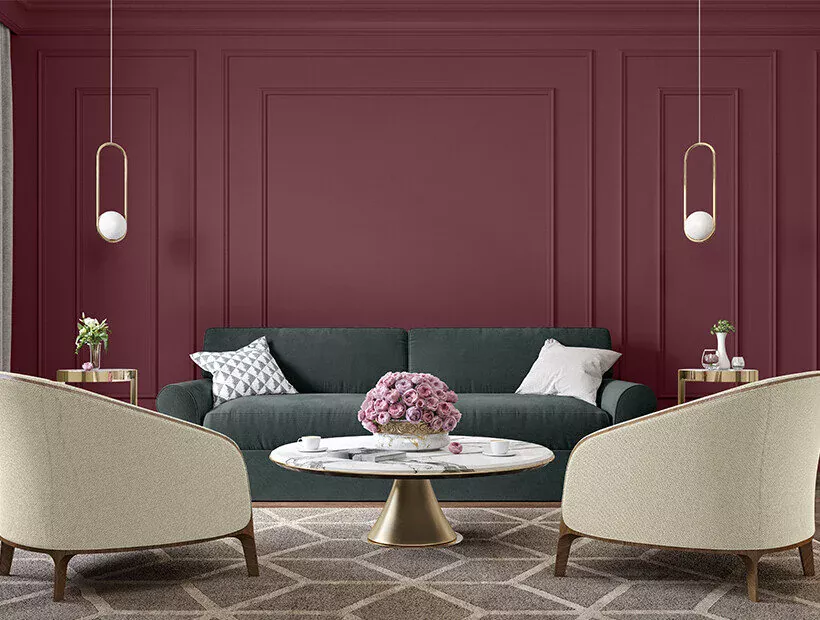
When you think of tiny spaces, you might picture white walls, pastel curtains, and an endless sea of neutrals. But a splash of richness can turn a cramped nook into a cozy, stylish retreat. Below is a step‑by‑step guide to weaving deep green, blue, and burgundy into small rooms without making them feel boxed‑in.
1. Why Rich Colors Actually Enlarge a Small Space
| Myth | Reality |
|---|---|
| Dark paint makes a room look smaller. | The right amount of depth creates an intimate “cocoon” feeling that expands the perception of space, especially when balanced with light accents. |
| You must paint the whole room the same color. | A single accent wall or strategic color‑blocking can add drama while keeping the overall vibe airy. |
| Rich hues are only for large, formal rooms. | Deep greens, blues, and burgundy bring sophistication to any footprint—think city studio apartments or a compact home office. |
Psychology tip: Green calms, blue promotes focus, and burgundy adds warmth. Use those emotional cues to guide the room’s purpose (relaxation, work, or socializing).
2. Picking the Perfect Shade
| Color | Hex / Paint Code (example) | Mood & Best Use |
|---|---|---|
| Deep Forest Green | #1B4D3E (Sherwin‑Williams “Evergreens”) | Perfect for a calming bedroom or a reading nook. |
| Midnight Navy | #0B1F33 (Benjamin Moore “Hale Navy”) | Ideal behind a desk or as a backdrop for art. |
| Rich Burgundy | #6F2121 (Behr “Cranberry Kiss”) | Works beautifully in a dining alcove or lounge area. |
Pro tip: Test 4‑inch swatches on opposite walls. Observe them at sunrise, midday, and sunset—light dramatically shifts how “deep” a color feels.
3. Painting Strategies That Keep the Room Light
- One‑Wall Accent – Paint the wall you face the most (the one behind the bed, sofa, or desk) in the deep hue. Keep the remaining walls a crisp white, soft gray, or a very light pastel. This creates a focal point without shrinking the space.
- Color Blocking – Split the wall vertically: top half in a deep shade, bottom half in a pale neutral. Add a thin, contrasting molding to define the line—think “half‑and‑half” cafés.
- Ceiling Lightening – Paint the ceiling a slightly lighter version of the deep color (e.g., a muted teal instead of navy). It reflects more light upward, making the room feel higher.
- Sheer Paint – Semi‑gloss or satin finishes reflect light better than flat matte. For an accent wall, a low‑sheen paint adds depth while still bouncing ambient light.
4. Furniture & Textiles: Anchoring the Palette
| Element | How to Incorporate | Suggested Materials |
|---|---|---|
| Sofas / Chairs | Choose a neutral base (linen grey, cream) and add deep‑colored throw pillows (green, navy, burgundy). | Upholstery: linen, microfiber; Pillows: velvet or velour for luxe feel. |
| Rugs | A small area rug in a muted version of the deep hue (e.g., an olive‑green herringbone). | Natural fibers (jute) with a colored backing, or low‑pile wool for warmth. |
| Curtains | Floor‑to‑ceiling drapes in a light neutral, but line them with a colored blackout liner—when the blinds are closed, the rich hue peeks through. | Linen or cotton for the outer layer; polyester blackout for the inner. |
| Bedding | Keep sheets white or ivory, then layer a deep‑colored duvet cover or a burgundy quilt. | Egyptian cotton sheets; duvet covers in brushed cotton or silk for a touch of elegance. |
Texture matters – Pair smooth, reflective surfaces (glossy lacquered nightstands) with plush, matte fabrics. The contrast prevents the room from feeling “flat” despite the dark hue.
5. Accessories, Art, & Accents
- Metallic Touches – Brass or copper lamps, picture frames, or hardware instantly brighten a deep‑colored room.
- Greenery – A tall fiddle‑leaf fig or a string of pothos adds a natural pop of fresh green that complements deeper tones while improving air quality.
- Mirrors – A large, thin‑bordered mirror on a non‑accent wall reflects light and visually expands the room. Place it opposite the deep wall for maximum bounce.
- Artwork – Choose pieces that incorporate both the deep hue and lighter accents. A navy abstract with gold flecks or a burgundy floral with ivory background ties everything together.
- Layered Lighting – Use a combination of ambient (overhead), task (desk lamp), and accent (sconce or LED strip) lighting. Warm LED bulbs (2700‑3000 K) soften deep colors, while cooler daylight bulbs (4000‑5000 K) can make them pop when you want drama.
6. Sample Color Schemes (Room‑by‑Room)
a) Tiny Bedroom (8×10 ft)
- Accent Wall: Deep Forest Green behind the headboard.
- Other Walls: Soft Dove Gray.
- Bedding: White linen sheets, burgundy quilt, green pillow trios.
- Floor: Light oak laminate, olive‑green rug (4×6 ft).
- Accessories: Brass bedside lamps, leafy plant on a floating shelf.
b) Compact Home Office (6×8 ft)
- Accent Wall: Midnight Navy behind the desk.
- Desk & Chair: Light walnut desk, ergonomic chair in charcoal.
- Curtains: Sheer white, with navy blackout liner.
- Rug: White‑on‑gray geometric rug with navy accents.
- Lighting: Adjustable LED desk lamp (cool white) + wall‑mounted sconce with amber glow.
c) Small Living Area (9×12 ft)
- Accent Wall: Burgundy on the wall opposite the sofa.
- Sofa: Light gray microfiber, layered with burgundy velvet throw.
- Coffee Table: Glass top with dark wood base (mirrors the burgundy).
- Rug: Cream‑beige with subtle burgundy pattern.
- Artwork: Large abstract canvas mixing burgundy, teal, and gold.
7. Common Mistakes & How to Avoid Them
| Mistake | Fix |
|---|---|
| Painting every wall deep → room feels cramped. | Keep at least two walls light; use one accent wall only. |
| Ignoring the ceiling → low ceiling feel. | Paint the ceiling a lighter or semi‑sheen version of the hue or keep it white. |
| Over‑accessorizing → visual clutter. | Stick to 3‑4 key accessories in the deep hue; let neutrals breathe. |
| Choosing the wrong finish → flat matte absorbs light. | Opt for satin or low‑gloss on accent walls; matte works best on surrounding walls. |
| Neglecting natural light → dark rooms feel gloomy. | Pair deep colors with sheer window treatments and strategic mirrors to amplify daylight. |
8. Quick‑Start Checklist
- Test swatches on opposite walls for at least 48 hrs.
- Choose one accent wall (or vertical block) in the deep hue.
- Keep floor‑to‑ceiling curtains light, add colored liner if desired.
- Add metallic or brass accents (lamp bases, frames).
- Place a mirror opposite the dark wall for reflective bounce.
- Layer lighting—ambient + task + accent.
- Finish with one statement piece (art, rug, or large pillow) in the same deep color.
9. Final Thoughts
Deep green, blue, and burgundy are far from “danger zones” for small rooms—when used thoughtfully, they become the soul of the space. By anchoring one wall, balancing with light neutrals, and weaving texture, metal, and light, you can enjoy the drama of rich colors without sacrificing openness.
Ready to take the plunge? Pick a swatch today, paint that single accent wall, and watch how a tiny room transforms into a luxe hideaway.