
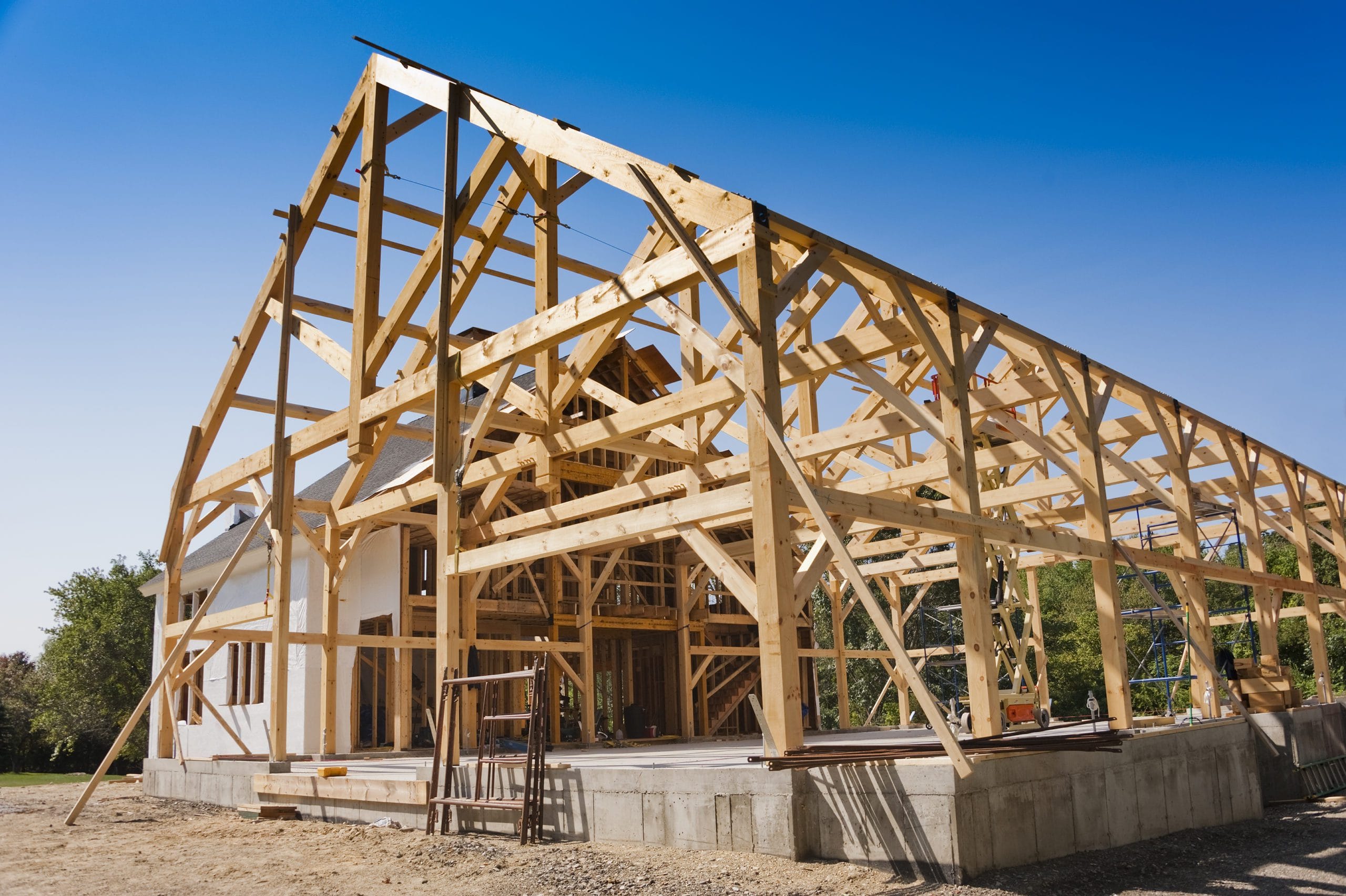
If you walk through a new housing development in the Midlands, the South‑East, or even the highlands of Scotland, you’re more likely to spot sleek, timber‑clad homes than the brick‑and‑mortar blocks of a decade ago. Timber‑frame construction, once a niche market for eco‑enthusiasts, has surged into the mainstream of British building.
In this post we’ll explore the drivers behind this shift, the benefits that timber brings to developers and homeowners, and what the future may hold for the UK’s timber‑frame boom.
1. A Green Agenda That Actually Works
| Why it matters | Timber’s contribution |
|---|---|
| Carbon reduction | Wood stores carbon – ≈ 1 tonne of CO₂ per m³ of solid timber. A typical 2‑storey timber house can sequester 30‑50 tonnes of CO₂ over its lifespan. |
| Embodied energy | Producing timber frames uses roughly 1/5 the energy of a comparable masonry build. |
| Circular economy | Modern timber is often sourced from sustainably managed forests (FSC/PEFC certified) or reclaimed timber, turning waste into a resource. |
The UK’s Net‑Zero target (2050) and the 2023 Construction 2030 Strategy set ambitious carbon‑cutting goals for the built environment. Timber frames tick the “low‑carbon” box, making them an attractive choice for developers who need to demonstrate sustainability credentials to planners, investors, and increasingly, buyers.
2. Speed – The New Competitive Edge
Off‑site precision, on‑site efficiency
A timber‑frame house can be 40‑60 % faster to erect than a traditional brick build. The secret?
- Factory‑built panels – Walls, floors and roof trusses are cut, drilled and pre‑fitted with services (electrical, plumbing, insulation) in a controlled factory environment.
- Reduced weather delays – Since most of the structural work happens indoors, rain or frost no longer stalls the project.
- Simplified on‑site work – Once the panels arrive, they’re bolted together in a matter of days, leaving more time for interior finishes.
The speed factor is a game‑changer for the UK’s housing crisis. With a target of 300,000 new homes per year, developers can meet planning deadlines and market demand without the lengthy construction timelines that once plagued large projects.
3. Cost Dynamics – More Than Just the Price Tag
Initial outlay vs. lifecycle value
At first glance timber can appear pricier than concrete or brick, especially when high‑grade timber is specified. Yet a deeper look reveals:
| Cost component | Timber Frame | Traditional Build |
|---|---|---|
| Material | Slightly higher for premium timber | Lower for basic bricks |
| Labour | Faster assembly → fewer labour hours | More trades, longer build |
| Waste | Factory cut‑to‑size → <5 % waste | On‑site cuts → 10‑15 % waste |
| Energy (operational) | Superior thermal performance → lower heating bills (≈ £200‑£300/yr per home) | Higher heating demand |
| Maintenance | Better moisture management, less cracking | More frequent repointing, damp repairs |
When you add operational savings over a 30‑year lifecycle, timber frames often out‑perform traditional builds in total cost of ownership. For the finance‑savvy developer, lower construction risk and a quicker route to revenue are decisive.
4. Design Freedom & Aesthetic Appeal
Timber offers a natural warmth that many homebuyers now crave. Modern CNC milling and 3D‑printing technologies enable:
- Complex geometries – Curved walls, vaulted ceilings, and organic façades that would be costly in masonry.
- Hybrid constructions – Combining timber with steel, glass, or cross‑laminated timber (CLT) for striking, ultra‑modern homes.
- Healthy indoor environments – Wood regulates humidity, reduces VOC emissions, and can improve acoustic performance.
A 2024 survey by the Home Builders Federation (HBF) found 68 % of homebuyers rated “natural materials” as a top factor when choosing a new home. Timber frames satisfy that desire while still meeting structural standards.
5. Regulatory Support & Incentives
From planning to funding, the policy environment is friendly
| Policy/Program | What it does | Impact on timber |
|---|---|---|
| Building Regulations Part L (2023 update) | Tightens energy performance requirements | Timber’s superior U‑values help meet the standards. |
| Green Homes Grant (2022‑2025) | Offers up to £5,000 for low‑carbon upgrades | Developers can claim for timber frame projects, reducing upfront costs. |
| The Wood for Britain Strategy (2024) | Sets a target of 10 % of new homes built in timber by 2030 | Encourages local timber supply chains, reducing import costs. |
| Planning Policy Statement (PPS) 25 – Design for Sustainable Development | Requires “low‑carbon” construction methods where feasible | Timber frames often satisfy the “low‑carbon” test. |
These policies create a virtuous loop: regulations drive demand, which spurs investment in timber factories, which in turn lowers prices and boosts confidence among architects and contractors.
6. Overcoming Traditional Skepticisms
- Fire safety – Modern timber frames use engineered wood (e.g., CLT, glulam) that chars at a predictable rate, maintaining structural integrity. Fire‑resistant gypsum board and intumescent coatings further mitigate risk. The British Standards BS 8414 now includes detailed fire‑performance testing for timber cladding.
- Durability & moisture – Properly detailed timber frames incorporate breathable membranes and ventilated cavities, preventing rot. Long‑term case studies (e.g., the 2018 Timberland Housing Estate in Kent) show no significant decay after 15 years.
- Supply chain concerns – The UK’s domestic plantation programmes, coupled with imports from the Baltics and Scandinavia, have expanded timber availability, stabilising prices even during pandemic‑related supply shocks.
7. Real‑World Success Stories
| Project | Location | Size | Highlights |
|---|---|---|---|
| The Green Crescent | Bristol | 45 homes | First UK estate built entirely from CLT, 30 % lower carbon footprint than neighboring brick development. |
| Eco‑Lodge Waltham | Essex | 12 units (luxury lodges) | Completed in 10 weeks; sold out within 3 months, showcasing market appetite for timber‑rich aesthetics. |
| Northumberland Timber Village | Northumberland | 250 homes | Mixed‑use development financed partly by the Green Homes Grant; delivers 0.8 kWh/m²/day energy reduction. |
These case studies illustrate that timber isn’t just a “green” marketing gimmick—it delivers tangible economic, environmental, and social benefits.
8. What the Next Five Years May Hold
- Mass‑Customisation – AI‑driven design tools will allow developers to generate thousands of unique floor plans from a single timber‑frame kit.
- Hybrid Materials – Expect a rise in timber‑steel composite structures that combine the best of both worlds—speed, strength, and low weight.
- Digital Twins & BIM Integration – Full lifecycle digital models will optimize timber logistics, reduce waste, and improve on‑site safety.
- Policy Evolution – The UK government is already drafting a Carbon‑First Building Code slated for 2028, where timber could become the default structural choice for residential buildings under 5 storeys.
Conclusion
Timber‑frame construction is more than a passing trend; it’s a strategic response to Britain’s climate commitments, housing shortage, and the desire for faster, cost‑effective building. Its blend of carbon sequestration, rapid off‑site fabrication, design versatility, and evolving regulatory support creates a compelling value proposition for every stakeholder—from architects and developers to the homebuyers who will live inside these structures.
If you’re a developer pondering the next project, a homeowner curious about sustainable living, or simply an industry observer, the message is clear: the timber revolution is well underway, and Britain is at the forefront.
Ready to explore timber‑frame options for your next build? Drop us a line, and let’s start designing a greener future together.
Further Reading & Resources
- UK Timber Federation – “Timber in Construction” (2024) – Overview of standards and supply chain data.
- Home Builders Federation – “Buyer Preferences Survey” (2024) – Insight into consumer attitudes toward natural materials.
- Construction 2030 Strategy (Gov.uk) – Government roadmap for low‑carbon construction.
Feel free to share your thoughts in the comments below. We love hearing how timber is shaping your projects!