
Victorian cottages are celebrated for their distinctive architectural charm—high ceilings, large sash windows, and solid, venerable walls. However, these very features, combined with the lack of modern insulation standards, often make them notoriously difficult and expensive to heat. Retrofitting these period properties for energy efficiency is a delicate balancing act: preserving their historic character while ensuring modern comfort and sustainability.
The key to insulating a Victorian home is to respect its original design, which was built to be breathable. Unlike modern cavity walls, Victorian solid walls require moisture to escape. Using non-breathable, impermeable materials can trap moisture, leading to damp, mould, and even structural rot.
Here is a strategic, area-by-area guide to insulating your Victorian cottage effectively.
1. Conquer the Draughts: Quick Wins
Before installing any major insulation, tackle air leaks. Draught-proofing is the most immediate and cost-effective step to reducing heat loss.
- Windows and Doors: Historic sash windows are major culprits. Install weatherstripping around the edges, use draught excluders at the base of doors, and consider fitting heavy, lined curtains or internal shutters to create an insulating layer at night.
- Suspended Timber Floors: Gaps between floorboards and around skirting boards allow cold air to rush in. Seal these gaps using a flexible filler, mastic gun, or a traditional mixture of sawdust and wood glue.
- Chimneys and Fireplaces: Unless actively used, install a chimney balloon or cap the flue to prevent heat from escaping up the stack.
2. Attic/Loft: The Low-Hanging Fruit
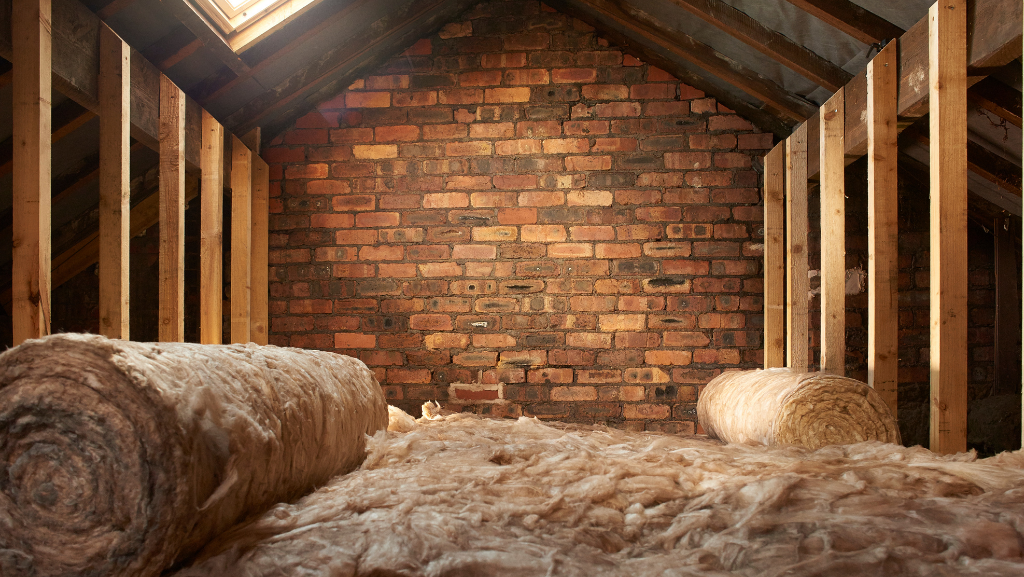
The roof is where the most significant heat loss (up to 25%) occurs, making the loft the highest-priority area for insulation.
- Cold Loft: If your loft is not a living space, the quickest method is laying breathable insulation (like mineral wool or, preferably, natural sheep’s wool) between and over the ceiling joists. Ensure you do not block the eaves’ ventilation, as this is vital for preventing condensation.
- Warm Loft: If you use the loft as a room, insulation must be fitted between and beneath the rafters. Use rigid foam boards or breathable insulation boards but be meticulous about maintaining a ventilation gap between the insulation and the roof deck.
3. Solid Walls: The Biggest Challenge
Victorian homes typically have solid walls, meaning there is no cavity for standard insulation. This is where you must prioritize breathable materials to manage moisture.
- Internal Wall Insulation (IWI): This involves fixing insulation to the inside of the external walls. While it reduces room size slightly, it’s often the preferred option for conservation. Use vapour-permeable materials like wood fibre boards, hemp insulation, or aerogel. Proper detailing around windows, floors, and ceilings is crucial to prevent “cold spots” and thermal bridging.
- External Wall Insulation (EWI): Applied to the exterior and finished with a render (often lime render), EWI is highly effective. However, it significantly changes the building’s appearance and is generally unsuitable or prohibited for listed buildings or properties in conservation areas. Always consult local planning authorities first.
4. Floors: Combatting the Chill from Below
Victorian ground floors are usually suspended timber, which is designed to be ventilated to prevent rot.
- Insulating Between Joists: Carefully lift the floorboards and install a breathable insulation material (mineral wool or sheep’s wool) between the joists, supported by a net or breathable membrane. Crucially, maintain the underfloor ventilation via the air bricks—do not block them, or you risk timber decay.
- Rug Power: For a simple, non-invasive fix, place thick, thermally-backed rugs and carpets over the floorboards to add an immediate layer of insulation.
5. Windows: Balancing Efficiency and Aesthetics
Replacing original sash windows with modern double-glazed units can be costly and can detract from the cottage’s character, especially if it’s a listed building.
- Secondary Glazing: A cost-effective and non-invasive solution is installing a discreet, separate layer of glass or acrylic on the interior side of the existing window. This provides double-glazing performance while preserving the original sash.
- Restoration: Ensure all original window frames are in good repair, sealing any cracks and ensuring the sashes fit tightly within the frames.
A Whole-House Approach
Insulating a Victorian cottage requires careful planning and a holistic approach.
- Energy Audit: Start with a professional Energy Audit or Retrofit Assessment. A specialist understands the unique requirements of older buildings and can identify the most critical areas for improvement without compromising the structure’s health.
- Ventilation is Key: As you make the house more airtight, you must introduce controlled ventilation (e.g., trickle vents or a Mechanical Ventilation with Heat Recovery (MVHR) system) to prevent condensation and maintain air quality.
- Hire Heritage Specialists: Inappropriate insulation can cause significant damage. Always use contractors and architects experienced in retrofitting period properties who understand the science of breathable building materials.
By combining respectful material choices with a targeted approach, you can successfully transform your charming Victorian cottage into a warm, energy-efficient, and sustainable home for the modern era.