
When renovating a home in the UK, few decisions impact both your comfort and your wallet as much as window replacement. With energy prices fluctuating and the infamous British weather delivering everything from biting frosts to damp, wind-whipped rain, choosing the right glazing is critical.
But do you really need to go all the way to triple glazing, or is high-quality double glazing the “sweet spot”? Let’s break down the science, the costs, and the practicalities to help you decide.
The Basics: How They Work
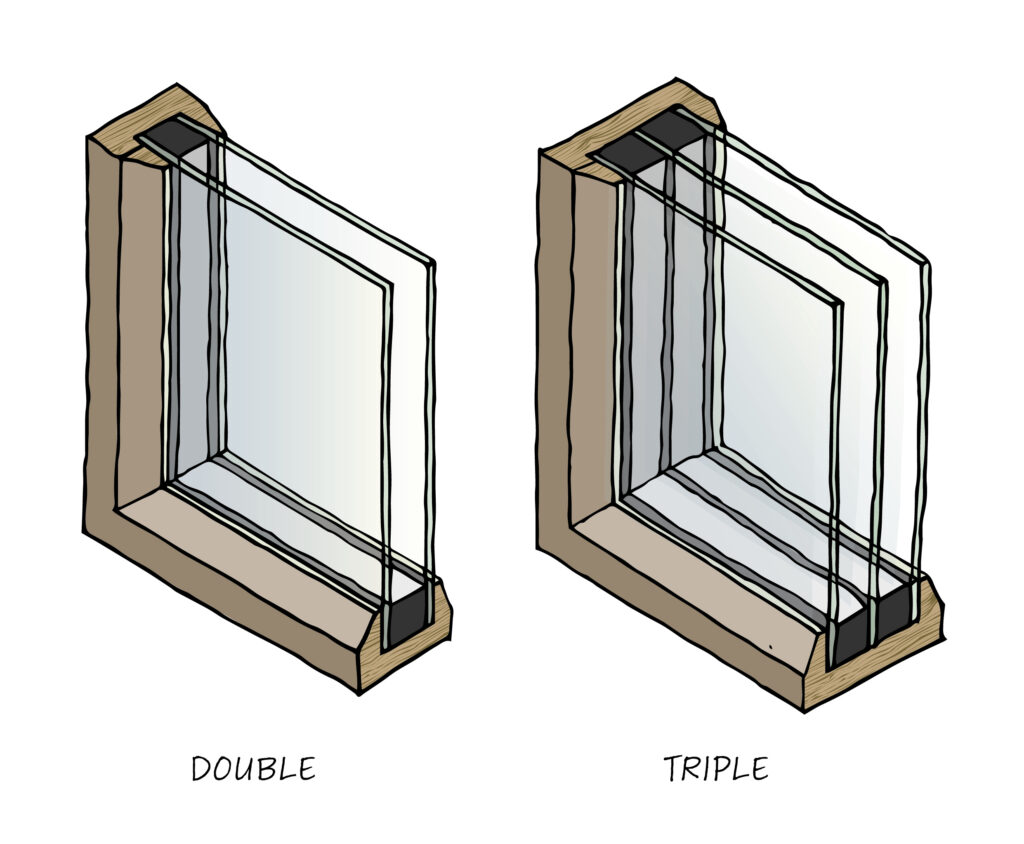
Double Glazing
Double glazing consists of two panes of glass separated by a spacer bar, creating a gap filled with air or an inert gas like Argon. This creates a thermal barrier that slows down heat transfer. In the UK, double glazing is the industry standard and a massive improvement over traditional single-pane windows.
Triple Glazing
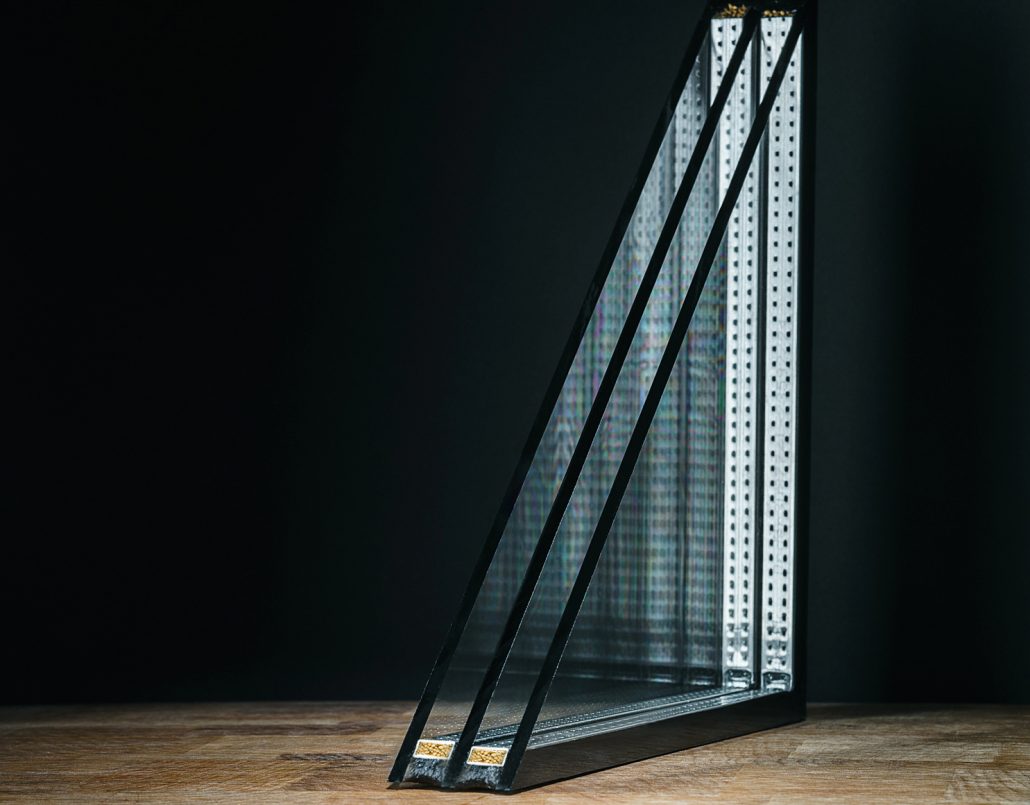
Triple glazing adds a third pane of glass and a second gap of insulating gas. It is designed to offer superior thermal resistance, often achieving U-values (a measure of heat loss) significantly lower than double glazing.
The British Climate Factor: Does It Matter?
If you live in Norway or Canada, where temperatures regularly plummet well below zero for months, triple glazing is a no-brainer. But in the UK, our climate is different. We deal with:
- Moderate winters: Temperatures rarely stay below freezing for extended periods.
- Damp conditions: High humidity levels can lead to condensation.
- Variable solar gain: We need windows that keep heat in during winter but don’t cause overheating in the summer.
The “Comfort” Argument
One of the biggest benefits of triple glazing isn’t just lower heating bills—it’s the reduction of “cold spots.” With triple glazing, the inner pane remains closer to room temperature, which virtually eliminates the feeling of a “cold draught” when you sit near the window. If you live in an exposed, windy location (such as a coastal property or a high-altitude home), this increase in comfort is palpable.
The Cost-Benefit Analysis
The upfront cost of triple glazing is typically 15% to 30% higher than high-quality double glazing.
- Energy Savings: While triple glazing is undeniably more efficient, the marginal gain over modern, A-rated double glazing is relatively small in the context of the UK’s average winter. For most homes, the time it takes to “earn back” the extra cost through energy savings is often decades.
- Property Value: Both double and triple glazing will boost your EPC (Energy Performance Certificate) rating and increase curb appeal. However, buyers generally view both as a “tick in the box”—triple glazing is rarely the deciding factor in a sale.
The Verdict: When Should You Choose Which?
Choose Double Glazing if:
- You live in a standard semi-detached or terraced home: High-performance, A-rated double glazing is more than sufficient to keep your home warm and compliant with modern building regulations.
- Budget is a priority: You can often put the money saved by choosing double glazing toward better frames or improved security features.
- You have older window frames: If your home has structural limitations, triple glazing is significantly heavier, which may require you to replace your window frames entirely.
Choose Triple Glazing if:
- Noise reduction is a priority: The extra pane of glass and the additional gap do a superior job of deadening exterior noise (traffic, trains, or noisy neighbors). If you live on a busy road, this is the biggest selling point.
- You have an ultra-insulated home: If you are building a Passive House or have heavily insulated walls and roofs, triple glazing prevents the windows from becoming the “weakest link” in your thermal envelope.
- You live in a harsh, exposed location: If your home is battered by wind and rain, the extra structural rigidity and thermal retention of triple glazing make a genuine difference to your heating bills and comfort levels.
For the average British household, high-quality, argon-filled, A-rated double glazing is the gold standard. It offers the best balance of cost, performance, and thermal efficiency.
However, if you are looking to create a whisper-quiet sanctuary or live in an exposed area where warmth is a constant battle, the extra investment in triple glazing is a luxury that adds genuine value to your daily quality of life.
Ready to upgrade? Always ensure you check the Window Energy Rating (WER) of the products you are considering, and look for installers registered with FENSA or CERTASS to guarantee your installation meets current building regulations.