
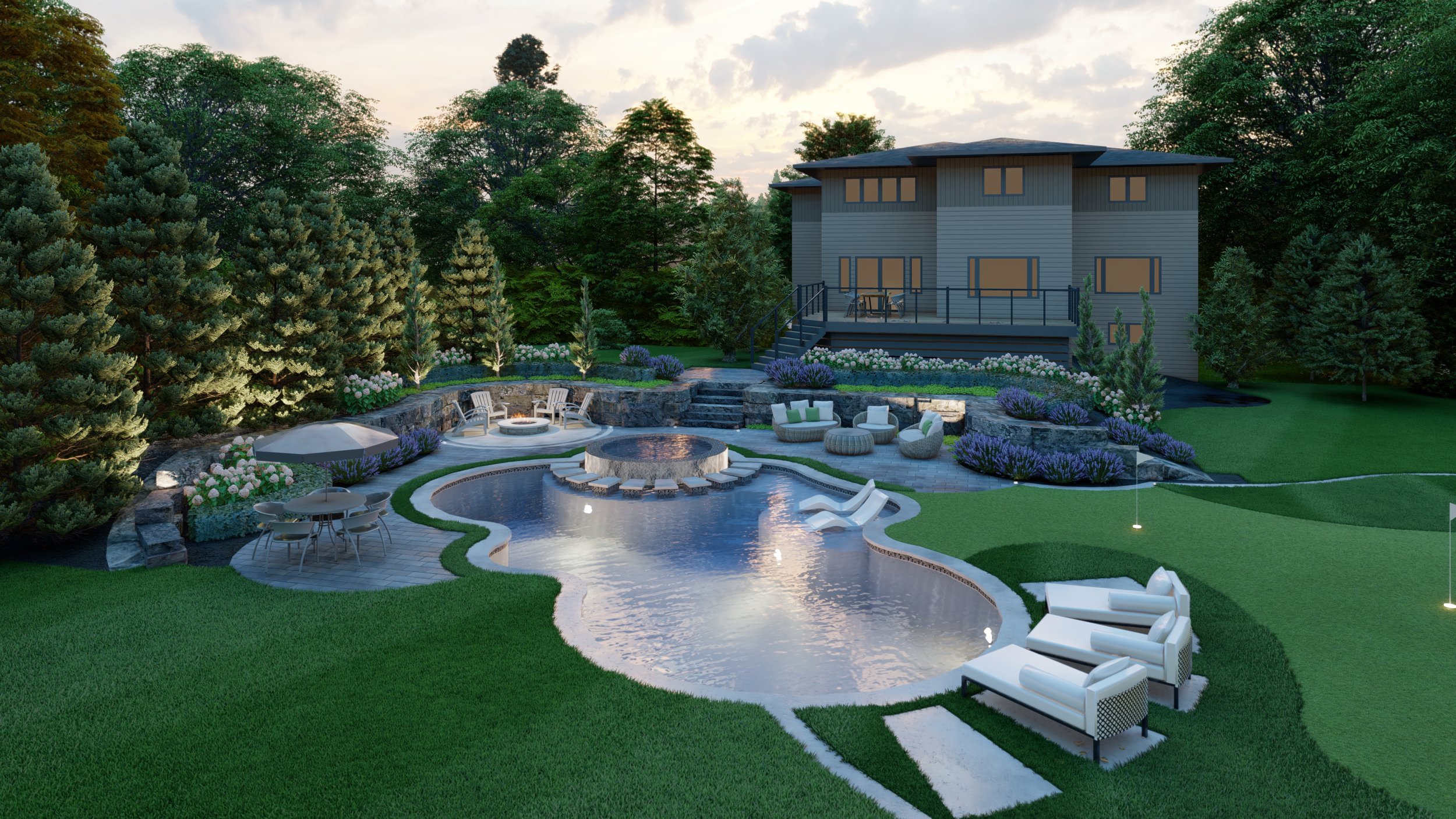
The UK’s love affair with the garden is undeniable, and with unpredictable weather, making the most of every sunny moment is a national pastime. An outdoor living space isn’t just a patch of grass; it’s an extension of your home, a versatile zone for relaxation, entertaining, and enjoying nature. Designing the “perfect” one means creating a space that’s both beautiful and highly functional, tailored to your lifestyle.
Why Invest in an Outdoor Living Space?
Creating a dedicated outdoor living area offers a wealth of benefits:
- Increased Living Area: It’s like adding another room to your house, without the cost of an extension.
- Enhanced Wellbeing: Spending time outdoors reduces stress, improves mood, and offers a crucial connection to nature.
- Entertainment Hub: Perfect for al fresco dining, BBQs, garden parties, or simply relaxing with family and friends.
- Boosted Property Value: A well-designed outdoor space is a highly attractive feature for potential buyers.
- Versatility: From quiet contemplation to lively gatherings, a well-planned space can adapt to many uses.
The Blueprint for Your Outdoor Oasis: Key Design Principles
Designing your ideal outdoor living space isn’t just about throwing some furniture outside. It requires thoughtful planning.
1. Define Your Purpose and Lifestyle: What’s Its Role?
Before digging or buying anything, consider how you truly want to use the space.
- Relaxation: Do you dream of a quiet reading nook, a sunbathing spot, or a peaceful meditation area?
- Dining & Entertaining: Will you host large dinner parties, casual BBQs, or intimate family meals? How many people do you need to accommodate?
- Cooking: Do you want a simple grill, a full outdoor kitchen, or just a bar cart?
- Play & Activities: Is this space for children to play, for exercise, or for hobbies like gardening?
- Work: Could it serve as a quiet outdoor office space on a sunny day?
Your answers will dictate the layout, necessary features, and scale of your design.
2. Zone It Out: Creating Distinct Areas
Just like indoors, dividing your outdoor space into functional zones enhances usability and flow.
- The Dining Zone: Typically a patio or decking area adjacent to the house, making it easy to bring food and drinks outside. Ensure enough space around the table for chairs to be pulled out comfortably.
- The Lounging Zone: A more relaxed area with comfortable seating – sofas, armchairs, perhaps a fire pit. This might be slightly further from the house for a more secluded feel.
- The Activity Zone: If space allows, a designated area for kids’ play equipment, a small lawn for games, or a dedicated spot for a hot tub or a yoga mat.
- The Transition Zone: Pathways, steps, or decorative planting that guide people between zones and connect them harmoniously.
3. Embrace the Elements: Shelter, Shade, and Warmth
Given the UK climate, planning for all weather conditions is crucial.
- Shelter: Consider pergolas, gazebos, retractable awnings, or even a covered veranda. These offer protection from rain and harsh sun.
- Shade: Beyond fixed structures, introduce shade with large cantilever parasols, shade sails, or strategically planted trees.
- Warmth: Extend usability into cooler evenings with fire pits (gas or wood-burning), outdoor heaters (electric or gas), or a chiminea. Outdoor rugs and throw blankets also add warmth and coziness.
Bringing Your Design to Life: Key Features & Materials
4. Hardscaping: The Foundation of Your Space
The non-living elements form the backbone of your outdoor living area.
- Patios: Paved areas using natural stone (sandstone, limestone), concrete slabs, porcelain tiles, or brick. Consider slip resistance and how the material complements your home’s exterior.
- Decking: Timber (hardwood or softwood, often pressure-treated) or composite decking offers warmth and a natural feel. Composites are low-maintenance but can be more expensive.
- Pathways: Connect different zones and guide movement. Materials should match or complement your main hardscaping.
- Walls & Edging: Low walls can define zones, provide extra seating, or create raised planting beds.
5. Landscaping & Planting: Softening the Edges
Plants are essential for aesthetics, privacy, and creating atmosphere.
- Privacy Screening: Use mature shrubs, tall grasses, bamboo (in planters to control spread), or trellises with climbing plants to create secluded areas.
- Vertical Greenery: Living walls or climbers on fences/walls can add lushness without taking up much ground space.
- Layered Planting: Combine trees, shrubs, perennials, and annuals for year-round interest and varying textures.
- Scent & Sound: Incorporate fragrant plants (lavender, jasmine) and consider a gentle water feature for soothing sounds.
6. Furniture & Furnishings: Comfort and Style
Choose pieces that are durable, weatherproof, and comfortable.
- Material Selection: Rattan (natural or synthetic), metal (aluminium, wrought iron), treated wood, and marine-grade fabrics are good options for UK weather.
- Comfort: Don’t skimp on comfortable cushions and pillows. Ensure they are designed for outdoor use and can be easily stored.
- Versatility: Consider modular seating that can be rearranged or multi-functional pieces like ottoman storage.
- Lighting: Outdoor lighting sets the mood and improves safety. Use a mix of:
- Ambient lighting: String lights, lanterns, solar-powered path lights.
- Task lighting: Over a dining area or BBQ.
- Accent lighting: Highlighting plants or architectural features.
7. The Finishing Touches: Personality and Polish
These details elevate a good space to a perfect one.
- Outdoor Rugs: Define zones, add warmth, and bring an indoor feel outdoors.
- Throw Pillows & Blankets: Add comfort, colour, and texture.
- Planters & Pots: Introduce colour and allow you to move plants around.
- Water Features: From small bird baths to bubbling fountains, they add serenity and sensory appeal.
- Outdoor Art & Mirrors: Can add visual interest and reflect light.
- Storage: Integrated storage for cushions, toys, or gardening tools keeps the space tidy.
Planning for Success in the UK
- Drainage: Ensure proper drainage for paved areas to prevent waterlogging, especially with our rainfall.
- Sun Path: Observe how the sun moves across your garden at different times of day and year to optimize placement of seating, dining, and shade.
- Wind Direction: Consider prevailing winds and use planting or screens to create sheltered microclimates.
- Maintenance: Choose materials and plants that suit your willingness to maintain them. Low-maintenance options are popular for busy families.
- Budget: Set a realistic budget and prioritize elements. You can always add features incrementally.
Designing the perfect outdoor living space is a journey, not a destination. By thoughtfully considering your needs, the elements, and the aesthetic you desire, you can create a beautiful, functional, and inviting extension of your home that you and your family will cherish for years to come.