


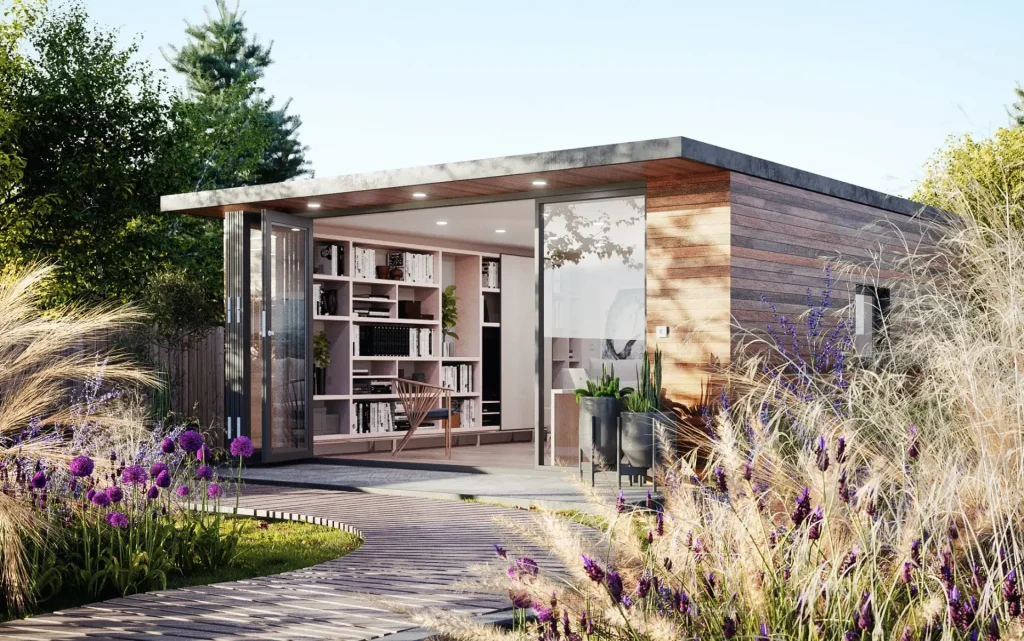
Everything You Need to Know Before You Build Your Backyard Retreat
? Introduction: Building the Right Foundation for Your Garden House
A garden house is more than just a charming addition to your backyard—it’s an investment in comfort, utility, and outdoor enjoyment. Whether you’re planning a cozy summer retreat, a garden office, or a guest room, the choice of building materials plays a vital role in the structure’s durability, functionality, appearance, and maintenance requirements.
This comprehensive guide will walk you through the most commonly used materials for garden houses, highlighting their benefits, drawbacks, ideal use cases, and practical advice to help you make the best decision for your project.
? 1. Timber: The Classic Choice for Charm and Comfort
Wood is one of the most popular materials for garden houses, appreciated for its natural aesthetic, insulating properties, and ease of customization.
✅ Pros:
- Warm, attractive, and blends with nature
- Easy to insulate and modify
- Ideal for both modern and traditional designs
- Wide variety of finishes and wood types (pine, cedar, spruce)
❌ Cons:
- Requires regular maintenance (painting, staining, sealing)
- Susceptible to rot, insects, and weathering if untreated
- Can be more expensive depending on the wood quality
? Best for:
- Garden retreats, studios, guest houses
- Homeowners seeking a cozy, traditional appearance
Example: A Scandinavian-style timber summer house with large glass doors and a natural finish creates a peaceful reading nook.
? 2. Metal: Durable and Low-Maintenance
Metal garden houses, typically made from steel or aluminum, are known for their strength and longevity. Though less common for residential-style garden houses, they’re a popular choice for storage-focused structures.
✅ Pros:
- Resistant to fire, pests, and decay
- Very low maintenance
- Affordable and easy to assemble in kit form
❌ Cons:
- Poor insulation (unless additional layers are added)
- Prone to condensation if not ventilated properly
- Less visually appealing for relaxation spaces
? Best for:
- Tool sheds, equipment storage, industrial-style workspaces
Example: A small galvanized steel structure with a sloped roof is ideal for securely storing garden tools and bicycles.
? 3. Composite Wood Panels: A Modern Low-Maintenance Alternative
Composite materials are made by combining wood fibers with plastic or resin, offering the look of wood with added durability.
✅ Pros:
- Weather-resistant and long-lasting
- Minimal upkeep (no need to paint or seal)
- Does not warp, crack, or rot easily
- Eco-friendly options available
❌ Cons:
- More expensive than untreated wood
- Limited in texture variety compared to natural timber
- Cannot always be painted for custom colors
? Best for:
- Modern garden offices or lounges
- Homeowners who want a wood-look without ongoing maintenance
Tip: Composite siding pairs well with large windows and minimalist landscaping.
? 4. PVC and Vinyl: Lightweight and Cost-Effective
PVC or vinyl panels are lightweight plastic-based materials often used in pre-fabricated or modular garden houses.
✅ Pros:
- Inexpensive and fast to assemble
- Completely weatherproof and UV-resistant
- No painting or staining required
❌ Cons:
- Poor insulation unless modified
- Limited design options (often looks less natural)
- Not as structurally strong as wood or metal
? Best for:
- Budget-friendly garden sheds
- Temporary or seasonal use spaces
Example: A compact vinyl garden shed can be installed in a few hours and is perfect for seasonal storage without fuss.
? 5. Brick and Masonry: Permanent and Solid
Brick or stone garden houses offer permanent solutions that provide excellent insulation and security, albeit at a higher cost and complexity.
✅ Pros:
- Extremely durable and weather-resistant
- High insulation value
- Adds significant property value
- Fire-resistant and low maintenance
❌ Cons:
- Expensive to build
- Requires professional masonry skills
- Not portable or easily modified
? Best for:
- Luxury guesthouses or all-season garden rooms
- Homes with matching brick architecture
Tip: Blend brick with timber accents to soften the appearance and match natural surroundings.
? 6. Glass: For Light-Filled Spaces
Glass is not typically a primary material for structural elements, but it’s essential in garden houses designed to maximize natural light.
✅ Pros:
- Visually opens up the space
- Allows for maximum daylight
- Great for greenhouses or modern summer rooms
❌ Cons:
- Poor insulation without double/triple glazing
- Can overheat in summer and be cold in winter
- Needs regular cleaning
? Best for:
- Sunrooms, studios, greenhouses
- Scenic gardens or panoramic views
Example: A garden house with a wood frame and floor-to-ceiling glass walls makes an excellent yoga or art studio.
? 7. Flooring Materials: Don’t Forget the Base
The floor of your garden house contributes to its comfort and longevity. Here are some top choices:
- Pressure-treated wood – classic and warm but needs maintenance
- Vinyl planks – waterproof and easy to clean
- Concrete slab – extremely stable, great for permanent builds
- Raised decking base – excellent for sloped or damp ground
Tip: Always insulate your floor if you plan to use the house year-round.
? Bonus: Insulation and Roofing Considerations
? Insulation:
- Use mineral wool, foam panels, or natural fiber insulation (like hemp or sheep’s wool)
- Essential for garden houses used as offices, gyms, or guest rooms
? Roofing Materials:
- Asphalt shingles – cost-effective and easy to install
- Metal roofing – long-lasting and sleek
- EPDM rubber – great for flat roofs
- Green roofs – eco-friendly and excellent for temperature regulation
Tip: Match your roofing material to the house’s main structure for cohesive design and better weather resistance.
? Material Comparison Table
| Material | Appearance | Durability | Insulation | Maintenance | Cost |
| Wood | Natural & warm | Medium | Good | High | Medium–High |
| Metal | Industrial | Very High | Low | Low | Medium |
| Composite | Wood-like | High | Good | Very Low | High |
| PVC/Vinyl | Clean, plastic | Medium | Low | Very Low | Low |
| Brick/Masonry | Solid, permanent | Very High | Excellent | Low | Very High |
| Glass (panels) | Modern & open | Medium | Low–High* | Medium | High |
*Depends on glazing quality.
? Factors to Consider When Choosing Materials
- Climate – Wet and cold climates require moisture-resistant materials.
- Budget – Balance between upfront cost and long-term maintenance.
- Design Style – Choose materials that match your aesthetic goals.
- Intended Use – A summer retreat has different needs than a year-round office.
- Sustainability – Look for eco-friendly or recycled options if important to you.
✅ Conclusion: Choose Smart, Build Strong
Selecting the right building materials for your garden house is a critical step that impacts everything from daily comfort to property value. Each material has its strengths and trade-offs, and the right choice depends on your budget, climate, and lifestyle goals.
- For natural beauty and custom comfort, choose timber or composite wood.
- For storage and function, consider metal or PVC.
- For year-round living and investment value, explore brick or insulated modular options.
- And for light lovers? Don’t overlook the power of glass in transforming your space.
With thoughtful planning and material selection, your garden house can be more than a structure—it can become your favorite place on earth ?