


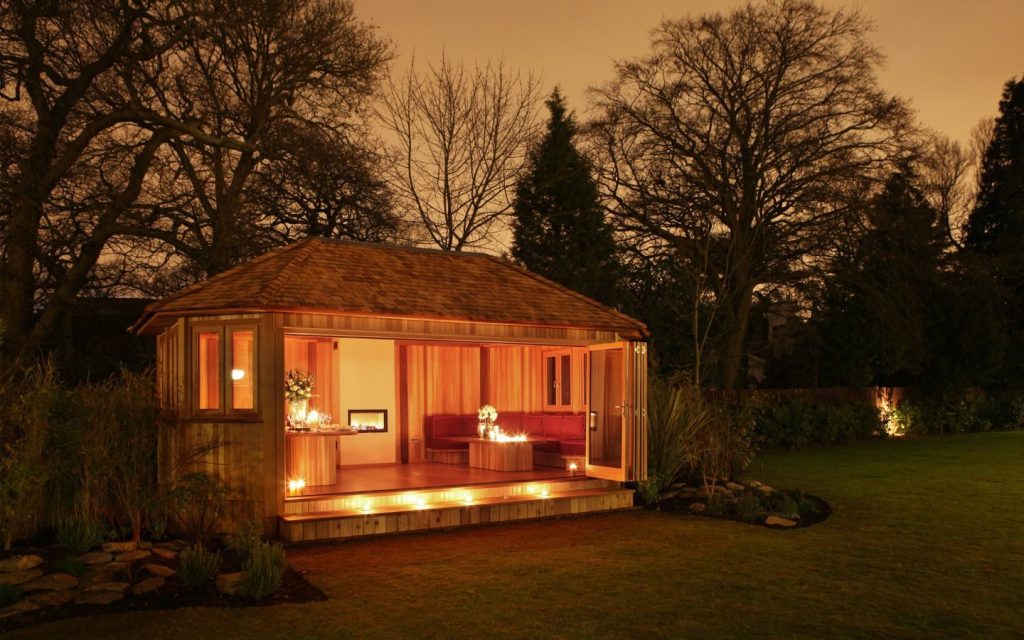
Practical Tips for Creating a Cozy and Climate-Controlled Outdoor Retreat
Why Temperature Control Matters
A garden house is a versatile addition to your property—it can serve as an office, studio, guest space, gym, or relaxation zone. However, no matter how stylish or well-furnished it is, a space that’s too cold in winter or hot in summer quickly becomes unusable.
Whether you’re building a new garden house or looking to improve comfort in an existing one, heating and cooling should be part of your plan. Temperature control affects not only comfort but also energy efficiency, durability of materials, and how often you can use the space.
In this practical guide, we’ll explore the best methods to heat and cool your garden house year-round, including both passive and active strategies, with helpful examples and real-world advice.
?️ 1. Start with Proper Insulation
Before you install a single heater or fan, the first and most important step is insulation. Without it, your garden house will leak heat in the winter and trap it in the summer.
? Key Areas to Insulate:
- Walls – Use rigid foam, fiberglass batts, or natural wool insulation.
- Roof/Ceiling – Crucial for regulating heat, especially in summer.
- Floor – Particularly important if your structure is elevated or sits on a concrete slab.
- Doors and Windows – Opt for double-glazed windows and install weather stripping.
Tip: Insulation reduces the need for large heating or cooling systems, lowering long-term energy costs.
? 2. Heating Your Garden House in Winter
Once your garden house is insulated, you have several effective options for keeping it warm during the colder months.
? A. Electric Heaters (Most Common)
- Fan Heaters – Affordable and portable; ideal for occasional use.
- Oil-Filled Radiators – Quiet, energy-efficient, and safe to leave unattended.
- Panel Heaters – Sleek, wall-mounted units that save space.
Example: A 1.5kW oil-filled radiator can heat a 10–12m² garden office comfortably in mild winters.
? B. Infrared Heating Panels
- Heat objects and people directly instead of the air.
- Great for short bursts of warmth with low energy waste.
- Can be wall or ceiling-mounted.
Tip: Infrared panels are ideal for yoga studios or art spaces where you don’t want airflow.
? C. Underfloor Heating
- Electric underfloor heating mats provide even warmth from the ground up.
- Works best with laminate, tile, or engineered wood flooring.
Pros: No visible heater, silent operation
Cons: More expensive to install; slower to heat up
? D. Wood-Burning or Pellet Stoves
- Offer rustic charm and high heating power.
- Require a chimney/flue and regular maintenance.
- Not suitable for every region due to fire safety regulations.
Example: A small cast-iron stove can heat even a 20m² space effectively—but you’ll need proper venting and fireproofing.
❄️ 3. Cooling Your Garden House in Summer
Just like heating, staying cool in summer requires the right tools and design choices.
? A. Portable Air Conditioners
- Simple plug-and-play cooling for small spaces.
- Choose a unit with dehumidifier and timer functions.
- Needs a window or vent for the exhaust hose.
Tip: Match the BTU rating of your AC to your room size for maximum efficiency.
? B. Mini Split Systems (Heat + Cool)
- Provide both cooling and heating in one wall-mounted unit.
- Quiet, energy-efficient, and sleek.
- Require professional installation.
Example: A 9,000 BTU mini split is sufficient for a 15m² insulated garden room.
? C. Ceiling or Wall Fans
- Circulate air and improve comfort, especially with windows open.
- Use in combination with passive cooling techniques.
? D. Evaporative Coolers (Swamp Coolers)
- Work best in dry climates.
- Use water and fans to cool the air.
- Lower energy use than air conditioners.
☀️ 4. Passive Heating and Cooling Strategies
Not all comfort depends on electricity. Smart design and usage can significantly reduce the need for mechanical systems.
?️ Passive Heating Tips:
- South-facing windows collect sunlight in winter.
- Use thermal curtains to retain heat at night.
- Incorporate dark-colored flooring or walls to absorb and store warmth.
?️ Passive Cooling Tips:
- Cross-ventilation – Position windows and vents on opposite sides.
- Install roof overhangs to block high-angle summer sun.
- Use light-colored roofing to reflect heat.
- Open windows at night to let cool air in and close during hot days.
Tip: Landscaping also helps. Planting shade trees or climbing vines on the sunny side reduces heat buildup.
? 5. Energy Sources and Sustainability
How you power your heating and cooling systems can impact cost and environmental footprint.
? Options to Explore:
- Grid electricity – Most common and reliable.
- Solar panels – Offset energy costs, especially for lighting and heating.
- Battery backup systems – Useful for off-grid or rural garden houses.
Example: A solar panel system with a battery can run an infrared panel heater and LED lighting for several hours each evening.
? 6. Safety and Maintenance
Whatever systems you use, safety should never be an afterthought.
✅ Best Practices:
- Use thermostats to prevent overheating or overcooling.
- Never leave fan or space heaters on unattended.
- Install smoke detectors and carbon monoxide alarms if using fuel-based heaters.
- Keep systems clean and filters replaced regularly.
Tip: If your garden house is rarely used in winter, turn off and unplug heating devices when not in use.
? 7. Matching Systems to Garden House Type
| Garden House Type | Best Heating Options | Best Cooling Options |
| Storage/Tool Shed | None or small electric heater | Passive ventilation only |
| Home Office | Infrared or mini split system | Mini split or fan + window |
| Guest House | Underfloor + mini split combo | Mini split or portable AC |
| Yoga Studio | Infrared panels + passive cooling | Ceiling fan + open windows |
| Creative Workshop | Oil radiator + solar panels | Fan + cross-ventilation |
? Expert Tips for Maximum Comfort
- Combine systems – Use passive techniques alongside active heating/cooling for efficiency.
- Monitor temperature – Use a smart thermostat or hygrometer to track interior conditions.
- Choose energy-efficient models – Look for Energy Star rated units.
- Use timers and schedules – Automate when systems run for lower bills.
- Seal all gaps – Drafts around windows and doors can reduce system performance.
✅ Comfort is in the Details
Your garden house should be a space you can enjoy in every season. Whether it’s a crisp autumn morning or a sweltering summer afternoon, the right heating and cooling strategies make all the difference between an occasional shelter and a true year-round retreat.
From simple plug-in heaters and fans to sophisticated mini-split systems and passive design choices, there’s a solution for every budget and need. Just remember to start with insulation, prioritize safety, and tailor your approach to how you use the space.
With smart planning and the right systems in place, your garden house can become the coziest, coolest place in your home—all year long. ☀️❄️