


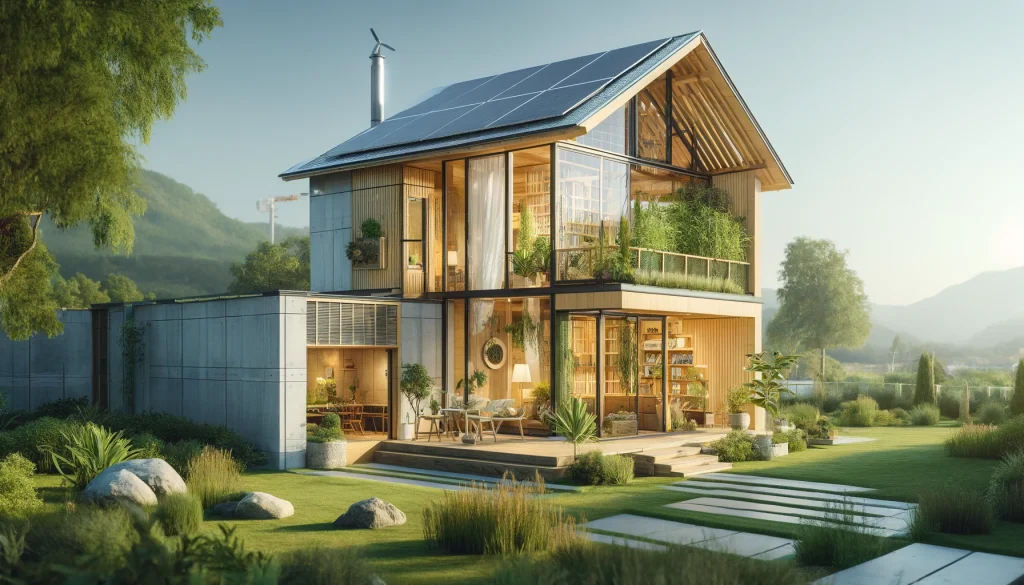
Designing a Sustainable, Green Retreat in Your Backyard
? A New Way to Live with Nature
In the age of climate change and environmental awareness, more people are looking to live sustainably—not only in their homes but in their outdoor spaces too. A garden house is the perfect opportunity to practice eco-friendly living on a small, manageable scale. Whether used as a home office, guest space, yoga studio, or creative retreat, your garden house can be a model of low-impact design.
From using recycled materials to harvesting rainwater and generating your own solar energy, there are many ways to make your garden house part of a more sustainable lifestyle. In this article, we’ll explore innovative, practical, and inspiring ideas for creating an eco-friendly garden house that’s beautiful, functional, and kind to the planet.
? 1. Build with Sustainable Materials
The foundation of eco-friendly living starts with choosing green building materials that are renewable, non-toxic, and energy-efficient.
♻️ Smart Building Material Options:
- Reclaimed wood: Reuse timber from old barns, pallets, or demolition sites.
- Bamboo: Rapidly renewable, strong, and stylish.
- Cork: Used for floors and insulation; biodegradable and naturally renewable.
- Hempcrete: A bio-composite that insulates well and absorbs carbon dioxide.
- Recycled steel or aluminum: Long-lasting and recyclable at end-of-life.
Example: A garden office built with reclaimed cedar siding and salvaged glass windows combines rustic charm with environmental responsibility.
Tip: Avoid VOC-laden paints and glues. Choose low-VOC or natural alternatives to reduce indoor air pollution.
☀️ 2. Maximize Solar Energy
Harnessing solar power is one of the most effective ways to reduce your garden house’s carbon footprint.
? How to Go Solar:
- Install rooftop solar panels to power lights, fans, computers, or small appliances.
- Use a solar battery for off-grid energy storage.
- Power your exterior lighting with solar garden lamps.
- Use solar water heaters if your garden house includes a shower or sink.
Example: A yoga studio in the garden runs on a compact 1.5kW solar system with a backup battery, providing clean energy even on cloudy days.
Tip: Angle solar panels to face south (in the Northern Hemisphere) for maximum efficiency.
?️ 3. Design for Passive Heating and Cooling
Instead of relying solely on mechanical systems, incorporate passive design principles to naturally regulate temperature.
?️ Passive Heating:
- South-facing windows to capture winter sun
- Thermal mass materials (like concrete or stone floors) to store heat
- Airtight construction to reduce heat loss
❄️ Passive Cooling:
- Cross-ventilation through windows on opposite walls
- Overhangs and awnings to shade summer sun
- Green roofs or light-colored roofs to reflect heat
- Deciduous trees planted nearby for summer shade and winter sun access
Tip: Use skylights with built-in vents to release rising hot air in summer.
? 4. Harvest Rainwater
Why let precious water go to waste? Collecting rainwater helps reduce your environmental impact and water bill.
? Rainwater Collection Ideas:
- Gutter-connected barrels to collect runoff from the garden house roof
- Use rainwater for watering plants, cleaning tools, or flushing eco-toilets
- Install a filtration system if water will be used for showering or washing
Example: A garden greenhouse uses a 200-liter rainwater barrel to water vegetables during dry months.
Tip: Cover barrels with mesh to prevent mosquito breeding and add overflow outlets to avoid flooding.
? 5. Choose Eco-Friendly Insulation
Insulation reduces the need for heating and cooling systems, making your garden house more energy-efficient.
? Green Insulation Materials:
- Sheep’s wool: Naturally regulates humidity and temperature
- Recycled denim: Breathable and repurposed from old clothing
- Hemp insulation: Mold-resistant and renewable
- Cellulose: Made from recycled paper and fire-retardant
Tip: Ensure good insulation in the walls, roof, and floor for year-round comfort.
? 6. Green Roofs and Living Walls
Take eco-living to the next level by integrating vegetation into your garden house design.
? Benefits of Green Roofs:
- Improve insulation
- Reduce rainwater runoff
- Support pollinators and biodiversity
- Look stunning and natural
? Living Walls (Vertical Gardens):
- Grow herbs or air-purifying plants indoors
- Improve air quality and humidity balance
- Add aesthetic appeal
Example: A small retreat features a flat green roof planted with sedum and a vertical herb garden on the rear wall for kitchen use.
? 7. Use Energy-Efficient Appliances and Lighting
Every watt counts in a small eco-house.
✅ Sustainable Choices:
- LED lighting: Long-lasting and low-energy
- Energy Star-rated appliances: For fridges, heaters, and fans
- Smart thermostats and plugs: Automate usage and reduce waste
- DC-powered systems: More efficient when using solar setups
Tip: Position lighting and windows so you can maximize daylight and reduce artificial light use during the day.
?️ 8. Furnish Sustainably
Sustainability doesn’t stop with construction. Choose eco-conscious furniture and decor.
♻️ Eco-Friendly Furniture Ideas:
- Upcycled items: Use crates, pallets, or thrifted pieces
- Modular and multi-purpose furniture: Reduces the number of items needed
- Natural materials: Wool, cotton, jute, bamboo
- Handmade or local pieces: Lower transport footprint and support artisans
Example: A fold-down desk made from reclaimed barn wood serves as a workspace by day and folds into the wall at night.
? 9. Connect with the Garden Naturally
A garden house should be in harmony with its surroundings.
? Outdoor Integration Tips:
- Create permeable paths using gravel, bark, or stone instead of concrete
- Use native plants around your garden house to reduce water and chemical needs
- Build a compost station nearby for organic waste
- Add bee-friendly flowers and insect hotels for pollinators
Tip: Place seating areas under trees or near flower beds to encourage slow, mindful interaction with nature.
? 10. Mindful Use: Less is More
True eco-living is not just about what you build—it’s about how you use it.
? Mindful Practices:
- Use your garden house for low-impact activities: meditation, art, reading, gardening
- Avoid overloading with electronics or non-essential gear
- Maintain your structure with natural oils and gentle cleaners
- Share the space with neighbors or community for maximized utility
Example: A community shares a garden house as a swap library and weekend yoga space, reducing the need for multiple structures.
? Eco-Friendly Garden House Checklist
Use this quick checklist when planning your green retreat:
✅ Use recycled or natural building materials
✅ Install solar panels or lighting
✅ Insulate with sustainable materials
✅ Harvest and reuse rainwater
✅ Use LED lights and energy-efficient devices
✅ Furnish with upcycled or sustainable pieces
✅ Add green roofs, living walls, or vertical gardens
✅ Blend into your garden with native plants and pathways
Small Structure, Big Impact
An eco-friendly garden house proves that sustainability doesn’t require sacrifice—it can be elegant, inspiring, and empowering. By choosing materials carefully, maximizing natural resources, and reducing energy use, you can build a space that not only enriches your life but respects the earth.
Whether you’re dreaming of a solar-powered office, a plant-covered retreat, or a natural-material reading nook, remember that every green choice you make adds up.
Your garden house can be a model of modern, sustainable living—one square meter at a time ??