


When it comes to making your home more comfortable, cutting energy bills, and reducing carbon emissions, insulation is the unsung hero. In the UK, where the weather can swing from chilly drizzles to scorching heatwaves, a well‑insulated house is a ticket to year‑round comfort.
But “insulation” isn’t a one‑size‑fits‑all solution. Depending on the construction of your property, your budget, and your aesthetic preferences, you might choose Internal Wall Insulation (IWI), External Wall Insulation (EWI), or Cavity Wall Insulation (CWI). Each method has its own set of advantages, drawbacks, and ideal scenarios.
In this post we’ll break down the three main types, compare them side‑by‑side, and help you decide which is the right fit for your home.
1. The Basics – What Exactly Is Being Insulated?
| Term | Where the insulation lives | Typical material(s) | Typical thickness |
|---|---|---|---|
| Internal Wall Insulation (IWI) | On the inside face of the existing wall, directly behind plasterboard or drywall. | Rigid foam boards (PUR, PIR), mineral wool, phenolic panels, wood fibre boards. | 40 mm‑100 mm (varies with material). |
| External Wall Insulation (EWI) | On the outside of the building envelope, beneath a weather‑proof render or cladding. | EPS (expanded polystyrene), XPS (extruded polystyrene), mineral wool, phenolic foam. | 80 mm‑150 mm (typically). |
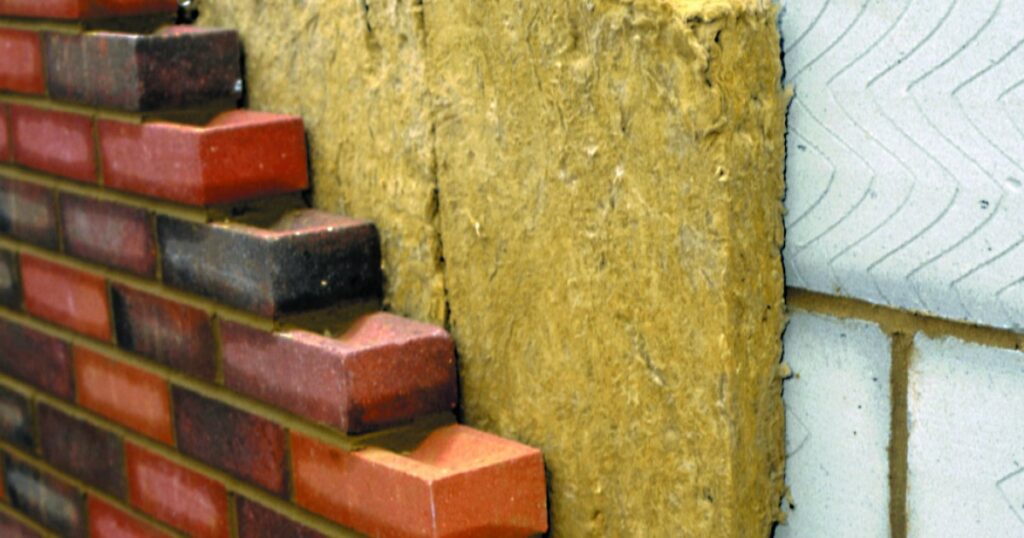
| Cavity Wall Insulation (CWI) | In the gap (cavity) between the inner and outer leaf of a solid‑brick or block wall. | Loose-fill mineral wool, glass fibre, polystyrene beads, foam beads. | Fills the cavity; thickness = cavity width (usually 50 mm‑100 mm). |
Why does location matter? The position of insulation determines heat flow, moisture handling, and how much of the building’s visual character is altered.
2. Internal Wall Insulation (IWI)
How It Works
IWI adds a thermal layer inside the existing wall. The insulation board is fixed to the interior surface, then covered with a new plasterboard or drywall finish.
Who Should Consider It?
| Situation | Why IWI fits |
|---|---|
| Listed or heritage properties where you can’t touch the exterior. | No impact on façade, reversible. |
| Flat roofs or low‑rise terraces lacking external wall space for EWI. | Works without altering roofline. |
| Budget‑tight projects – you can do it room‑by‑room. | Phased installation reduces upfront cost. |
| Limited external access (e.g., townhouses with narrow streets). | No need for scaffolding or external works. |
Pros
- Preserves the external appearance – essential for conservation areas.
- Can be installed in stages – ideal for households that want to spread costs.
- Immediate thermal improvement – rooms become noticeably warmer after the first day.
- Potential for internal finish upgrades (new plasterboard, acoustic panels).
Cons
- Loss of interior space – typical thickness (40‑100 mm) reduces room dimensions.
- Potential for condensation if not correctly detailed (thermal bridges, ventilation).
- Disruption to interior finishes – you’ll need to relocate sockets, radiators, and repaint.
- Less effective on solid walls than on cavity walls because the cavity remains unfilled.
Typical Cost & Payback
| Item | Approx. Cost (per m²) | Payback Period* |
|---|---|---|
| Rigid foam board + plasterboard | £70‑£110 | 8‑12 years (depending on fuel price). |
| Mineral wool board | £60‑£90 | 9‑13 years. |
*Payback assumes an average UK household heating bill of £1,500 per year and a 30 % reduction after installation.
3. External Wall Insulation (EWI)
How It Works
EWI involves fixing insulation boards to the outside of the external walls, then covering them with a reinforced render or decorative cladding. The system forms a new “skin” for the building.
Who Should Consider It?
| Situation | Why EWI fits |
|---|---|
| New builds or major refurbishments where the façade is being refreshed anyway. | Can be integrated into the design from the start. |
| Solid‑brick homes with no cavity to fill. | Adds a thermal layer where CWI isn’t possible. |
| Homes with damp or rising moisture problems – EWI can act as a breathable membrane. | Properly detailed systems manage moisture outwards. |
| Desire for a modern aesthetic – you can choose a range of renders and claddings. | Gives a fresh, uniform look. |
Pros
- Maximum thermal performance – the insulation sits outside the thermal envelope, reducing heat loss through the wall and eliminating thermal bridges.
- No loss of interior space – room dimensions stay the same.
- Improves building’s airtightness – the external membrane seals gaps.
- Adds structural benefits – the external render can increase wall rigidity and protect against weathering.
Cons
- Higher upfront cost – materials, scaffolding, and skilled labor add up.
- May affect property character – not ideal for listed buildings or those who love the original façade.
- Planning permission – in conservation areas or for certain “heritage” homes, you may need consent.
- Longer installation time – external work is weather‑dependent and may take weeks.
Typical Cost & Payback
| Item | Approx. Cost (per m²) | Payback Period* |
|---|---|---|
| EPS board + render | £120‑£180 | 7‑10 years. |
| Mineral wool board + cladding | £130‑£200 | 6‑9 years. |
*Payback assumes a 35 % reduction in heating demand, which is common for well‑executed EWI projects.
4. Cavity Wall Insulation (CWI)
How It Works
CWI fills the cavity between the inner and outer leaves of a cavity wall with a loose‑fill material (typically mineral wool or foam beads). The insulation stays hidden behind the external brickwork.
Who Should Consider It?
| Situation | Why CWI fits |
|---|---|
| Standard 1970s‑2000s terraced houses with a clear cavity. | Quick, low‑disruption retrofit. |
| Homes with limited interior space – you can’t afford IWI. | No interior work required. |
| Budget‑sensitive projects – you need the best bang for the buck. | Typically the cheapest major retrofit. |
| Properties where external works are difficult (e.g., narrow alleys). | Installation uses small drill holes, no scaffolding. |
Pros
- Least intrusive – works from a few small holes drilled in the wall.
- Preserves both interior and exterior aesthetics – no visual changes.
- Fast installation – a crew can finish an average terraced house in 1‑2 days.
- Good cost‑effectiveness – modest outlay for a decent boost in U‑value.
Cons
- Limited performance on solid walls – only works if a cavity exists.
- Risk of bridge formation – if the cavity is partially blocked (by bricks, ties, or past repairs) the insulation may be uneven.
- Potential for moisture build‑up if the cavity is not properly ventilated or if the fill material is not breathable.
- Reduced effectiveness if the cavity is narrow (< 50 mm) – the insulation can become compressed, diminishing R‑value.
Typical Cost & Payback
| Item | Approx. Cost (per m²) | Payback Period* |
|---|---|---|
| Mineral wool loose‑fill | £15‑£25 | 5‑8 years. |
| Foam bead fill | £18‑£30 | 5‑7 years. |
*Payback assumes a 20‑25 % reduction in heating demand, typical for correctly installed CWI.
5. Side‑by‑Side Comparison
| Feature | Internal (IWI) | External (EWI) | Cavity (CWI) |
|---|---|---|---|
| Location of insulation | Inside wall | Outside wall | Inside cavity |
| Impact on interior space | Reduces room size | None | None |
| Impact on exterior appearance | None | Alters façade (render/cladding) | None |
| Best suited for | Listed/heritage homes, limited external access | Solid‑brick/solid‑block, new builds, major refurb | Standard cavity‑wall homes, tight budgets |
| Typical U‑value improvement | 0.35‑0.45 W/m²·K | 0.18‑0.25 W/m²·K | 0.30‑0.38 W/m²·K |
| Installation time | Days‑weeks (room‑by‑room) | 2‑4 weeks (scaffolding) | 1‑2 days |
| Cost (average) | £70‑£110 / m² | £120‑£200 / m² | £15‑£30 / m² |
| Risk of condensation | Medium (needs careful detailing) | Low (thermal bridge minimised) | Low (if cavity is dry) |
| Planning permission needed? | Rarely | Possible (esp. heritage) | Almost never |
| Energy saving potential | 30‑35 % | 35‑45 % | 20‑25 % |
| Lifespan | 20‑30 years (depends on finish) | 30‑50 years (render) | 25‑40 years (fill material) |
6. Decision‑Making Checklist
- What type of wall does your home have?
Cavity wall → CWI is the cheapest first step.
Solid brick or block → Consider EWI or IWI. - Do you need to preserve the external look?
Yes → IWI or CWI. - Is interior space at a premium?
Yes → EWI or CWI. - What’s your budget and timeline?
Very low budget/fast turnaround → CWI.
Moderate budget, willing to stage → IWI.
Higher budget, long‑term performance goal → EWI. - Are there planning constraints?
Check with your local authority; listed buildings may only allow IWI. - Do you have a DIY mindset?
CWI can be a DIY‑friendly project (with proper guidance), while IWI and EWI typically need a professional installer.
7. Frequently Asked Questions
Q1: Can I combine two methods?
Yes. It’s common to install CWI first, then add either IWI or EWI later for added performance. The key is to avoid “double‑insulating” the same cavity, which can trap moisture.
Q2: Will insulation affect my home insurance?
Generally no, but if you alter the external appearance (EWI) you should inform your insurer. Some policies may require proof of proper installation to avoid claims related to damp or structural issues.
Q3: How do I know if my cavity wall is suitable for insulation?
A qualified energy‑efficiency assessor can perform a cavity check using a borescope camera. If the cavity is blocked, bridged, or < 50 mm wide, CWI may not be effective.
Q4: Does IWI reduce the value of my home?
Most buyers appreciate the added comfort and lower bills, but the loss of internal floor area can be a concern in small homes. High‑quality finishes and proper ventilation mitigate any perceived downside.
Q5: What about acoustic benefits?
Mineral wool boards (both IWI and EWI) offer good sound‑proofing, reducing noise transmission between rooms and from outside. Foam boards have lower acoustic performance unless combined with a secondary layer.
8. Bottom Line – Which Insulation Is Right for You?
| Goal | Recommended solution |
|---|---|
| Maximum energy savings and long‑term durability | External Wall Insulation (EWI). |
| Preserve historic façade / need reversibility | Internal Wall Insulation (IWI). |
| Low upfront cost, quick win, minimal disruption | Cavity Wall Insulation (CWI). |
| Combination of budget and performance | Start with CWI, then add IWI in key rooms or upgrade to EWI later. |
Whatever you choose, remember that proper installation and detailing are the real determinants of success. A poorly installed system can lead to cold spots, condensation, and reduced ROI. Always work with accredited installers (e.g., FENSA, CERTASS, or TrustMark) and consider a whole‑home energy assessment before committing.
9. Take the Next Step
Ready to make your home warmer, greener, and more valuable? Here’s a simple action plan:
- Get a free SAP or EPC assessment – many local councils and energy suppliers offer this at no charge.
- Identify the wall type – ask your builder or use a wall‑core test.
- Request three quotes – one for each insulation method, even if you think it’s not suitable; you might discover hidden benefits.
- Check for grants – the UK Government’s Home Upgrade Grant and the Energy Company Obligation (ECO) still provide funding for many retrofit projects.
- Schedule a site visit – let the installer spot any potential moisture issues or structural quirks.
The sooner you act, the sooner you’ll start feeling (and seeing) the savings. Insulating your home isn’t just an upgrade – it’s an investment in comfort, the environment, and your property’s future value.
Happy insulating!