


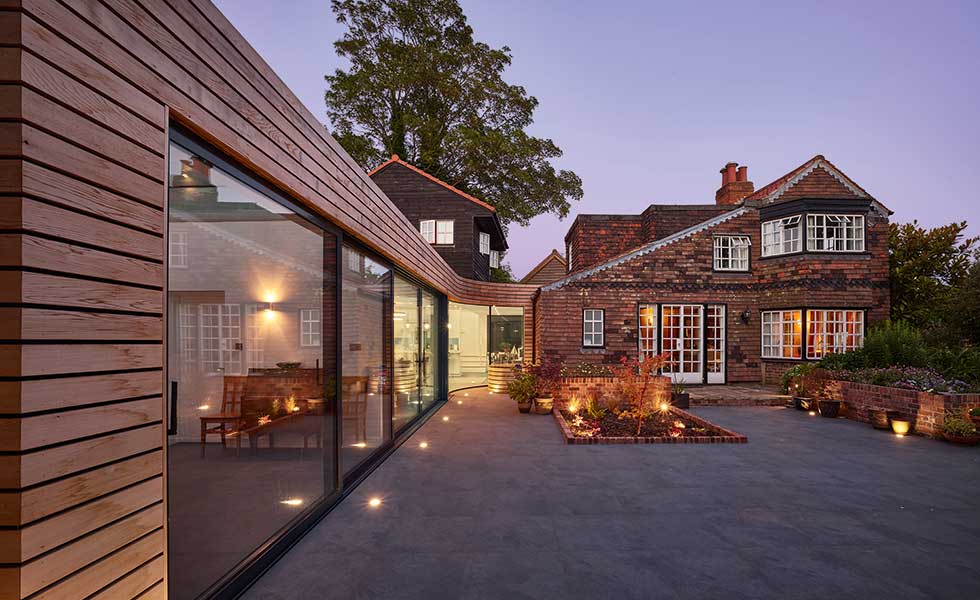
Walking past a Victorian terrace with its ornate cornice, or spotting a 17th‑century farmhouse tucked behind a hedgerow, you’ve probably felt a flash of admiration for the craftsmanship of a bygone era. In the UK, many of these architectural gems are listed – legally protected because of their historic or architectural importance.
If you’re considering buying one, you’ll most likely encounter Grade II properties – the workhorse of the listing system, accounting for over 90 % of all listed buildings. They’re the charming three‑bedroom townhouses, the converted barns, the art‑deco cinemas that give our streets character.
But owning a Grade II building is not just about bragging rights. It comes with a unique set of responsibilities, costs, and rewards. In this post we unpack the pros and cons so you can decide whether a listed gem fits your lifestyle, budget, and long‑term goals.
Quick Primer: What “Grade II” Means
| Grade | Approx. % of Listings | Typical Examples | Level of Control |
|---|---|---|---|
| Grade I | 2.5 % | Cathedrals, castles, manor houses | Very strict – any change needs consent |
| Grade II* | 5.5 % | Early‑20th‑century theatres, important townhouses | Strict, but slightly more flexibility |
| Grade II | 92 % | Most Victorian terraces, late‑Georgian villas, historic farm buildings | Requires “listed building consent” for alterations that affect character |
Grade II buildings are protected because they contribute to the nation’s historic environment, not because they are unique masterpieces. The legislation (Planning (Listed Buildings and Conservation Areas) Act 1990) requires Listed Building Consent (LBC) for any work that would affect their special interest – a lower bar than Grade I but still a significant hurdle.
The Upside: Why Owning a Grade II Property Can Be a Dream Come True
| Benefit | What It Looks Like in Real Life | Why It Matters |
|---|---|---|
| Instant Character & Curb Appeal | A brick townhouse with original sash windows, decorative cornices, and a period door. | You get a “wow” factor that modern builds can’t replicate. This often translates into higher resale value and stronger rental demand. |
| Potential for Grants & Tax Relief | Eligibility for Heritage Lottery Fund (HLF) grants, Historic England’s repair grants, or the Listed Building Tax Relief (if you develop for commercial use). | Offsets some of the higher maintenance costs and can make extensive restorations financially viable. |
| Community Prestige & Pride | Being the custodian of a building that appears in local heritage walks or is featured in a council’s conservation area brochure. | Enhances personal satisfaction and can open doors to local networks (heritage societies, planning officers). |
| Higher Rental Yields for Niche Markets | Short‑term holiday lets that market themselves as “historic boutique stays.” | Travelers pay a premium for authentic experiences, boosting cash flow. |
| Robust Construction | Thick stone walls, timber framing, and original roof structures that have stood for centuries. | These buildings are often more resilient to weather and fire than some modern builds, provided they are well‑maintained. |
| Planning Flexibility for Sensitive Alterations | You can add a modern kitchen, install underfloor heating, or convert loft space as long as you preserve key features. | Allows you to enjoy contemporary comforts while keeping the building’s soul intact. |
Bottom line: Grade II properties give you a narrative you can’t buy off the shelf – a story, a sense of place, and often a solid financial upside when managed wisely.
The Downside: What You’ll Need to Navigate
| Challenge | What It Means | Mitigation Tips |
|---|---|---|
| Listed Building Consent (LBC) Process | Any work that alters the building’s character – even swapping a door – needs formal approval from the local planning authority (LPA). The process can take weeks to months. | • Engage a heritage‑qualified architect early. • Submit detailed drawings, heritage statements, and mock‑ups to speed up approval. |
| Higher Maintenance & Repair Costs | Traditional materials (lime mortar, hand‑crafted tiles) are more expensive and may require specialist tradespeople. | • Get multiple quotes from conservation‑trained contractors. • Budget at least 1–2 % of the property’s value per year for upkeep. |
| Restrictions on Modernisation | Installing double‑glazed windows, solar panels, or an elevator can be denied or require “sympathetic” alternatives. | • Look for heritage‑approved alternatives (e.g., slim‑profile secondary glazing). • Consider renewable‑energy solutions that don’t alter the exterior (ground‑source heat pumps). |
| Insurance Premiums | Insurers see listed buildings as higher risk for specialist repairs, so premiums can be 15‑30 % higher. | • Shop around for heritage‑focused insurers. • Keep a detailed inventory of original features to aid claims. |
| Potential Resale Constraints | Future buyers must also accept the restrictions; market may be smaller. | • Emphasise the unique selling points (grant eligibility, character) when marketing. • Keep documentation of all consents and heritage research to ease buyer due diligence. |
| Planning Authority Scrutiny | Even routine changes can trigger a full heritage impact assessment. | • Build a good relationship with the local conservation officer. Attend council meetings and stay informed of local heritage policies. |
| Limited Parking & Energy Efficiency | Older layouts often lack off‑street parking or insulation. | • Explore internal insulation solutions (e.g., insulated plasterboards). • Apply for Local Authority Parking Permits or consider shared schemes with neighbours. |
Real‑World Example: A Grade II Victorian Terrace in Bath
| Feature | Original (1850) | Recent Upgrade (2023) | Cost | Consent Outcome |
|---|---|---|---|---|
| Front Sash Windows | Canted, single‑glazed | Replacement with secondary glazing (preserves original frames) | £12 k | Approved – no impact on façade |
| Roof | Slate, leaking | Re‑slating with reclaimed slate, adding discreet dormer | £18 k | Approved – dormer designed to match roof pitch |
| Kitchen | Small, coal‑fire range | Open‑plan kitchen, bespoke cabinetry behind original wall panels | £22 k | Approved – works confined to interior, original panelling retained |
| Bathroom | Cast‑iron trough | Modern wet room, underfloor heating concealed beneath original floorboards | £15 k | Approved – heating installed in a reversible manner |
Takeaway: With the right team and a willingness to work within the conservation framework, you can enjoy modern comforts while preserving the building’s historic character. The total upgrade cost (£67 k) was higher than a comparable non‑listed property, but the owner now commands a £30 k premium on rental income and enjoys a property that stands out in the market.
How to Decide If a Grade II Property Is Right for You
- Run the Numbers – Create a cash‑flow model that includes: purchase price, LBC fees, specialist contractor rates, insurance, and a contingency (typically 20 % of works budget). Compare against a non‑listed comparable.
- Assess Your Lifestyle – Do you love DIY heritage work, or would you rather avoid the paperwork? Consider whether you have the time or willingness to liaise with conservation officers.
- Check the Local Authority’s Track Record – Some councils are heritage‑friendly with quicker consent processes; others can be notoriously slow. Visit the council’s website, read recent planning decisions, and speak to local owners.
- Look for Grant Opportunities Early – Many schemes require an application before work begins. Identify eligibility (e.g., the Heritage Repair Scheme for owners of properties over £250 k).
- Future‑Proof the Investment – Think about long‑term scenarios: converting to short‑term lets, selling to a preservation‑focused buyer, or passing the property down generations.
Quick Checklist for Prospective Grade II Buyers
- Obtain the Building’s Listing Entry – Check Historic England’s National Heritage List for a full description of what’s protected.
- Commission a Heritage Survey – A qualified surveyor will highlight hidden issues (dry rot, timber decay) that could become costly later.
- Confirm LBC Requirements – Speak to the local conservation officer about likely consent needs for any planned alterations.
- Budget for ‘Heritage Premiums’ – Add 10–20 % to renovation estimates for specialist labour and materials.
- Explore Grant & Tax Relief Programs – Record deadlines; many are annual and competitive.
- Secure Appropriate Insurance – Look for policies covering original fabric and specialist repairs.
- Engage a Specialist Solicitor – Ensure the purchase contract addresses listed‑building obligations and any existing consents.
Final Thoughts
Owning a Grade II listed property is a balance of privilege and responsibility. The romantic allure of living in a piece of history comes with extra layers of regulation, cost, and planning coordination. However, for the right buyer—someone who values heritage, is prepared to invest in quality workmanship, and sees the long‑term upside—the rewards can be substantial:
- Distinctive home that stands out in a sea of cookie‑cutter builds.
- Potential for higher rental yields and niche market appeal.
- Access to grants, tax relief, and community goodwill that can offset the higher running costs.
If you’re ready to take the plunge, start by learning the story of the building you’re eyeing, and then build a team of heritage‑savvy professionals who can guide you through the consent maze. The journey may be more involved than buying a new build, but the result—a home that looks, feels, and lives as a piece of living history—is a reward that few modern properties can match.
Want to Learn More?
- Download our free “Grade II Owner’s Toolkit” (checklist, budget template, grant guide).
- Subscribe for monthly updates on heritage property market trends.
- Ask a question in the comments below – I’m happy to help you navigate the world of listed buildings!
Happy heritage hunting!
Disclaimer: This blog post is for informational purposes only and does not constitute legal or financial advice. Always consult qualified professionals before purchasing or altering a listed building.