


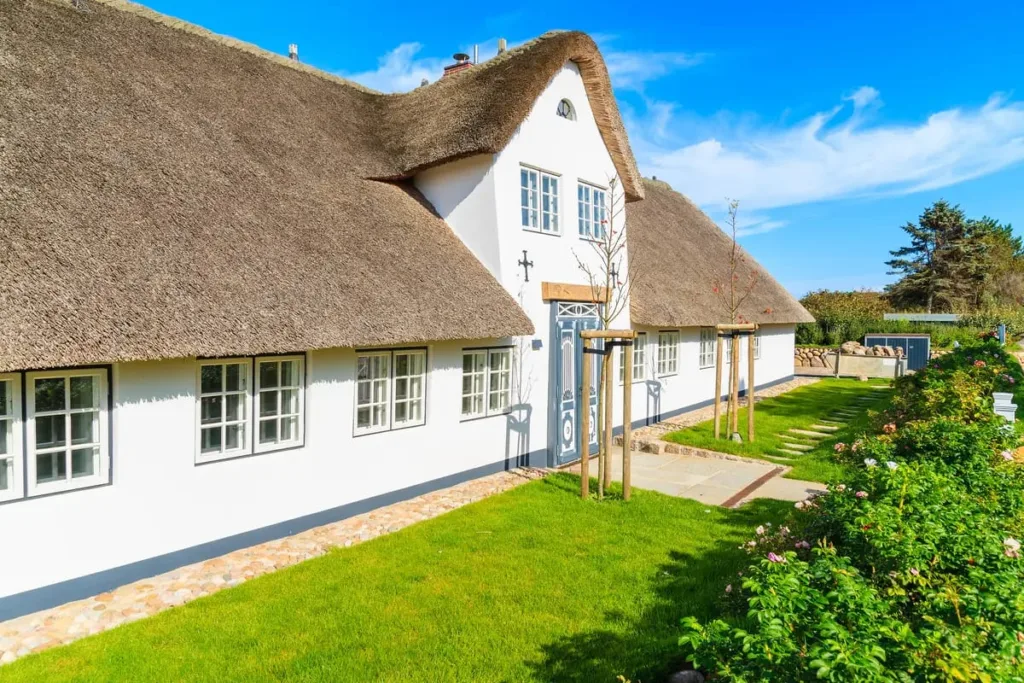
The thatched roof—a romantic, deeply textured canopy of straw or reed—evokes images of quaint cottages, ancient pubs, and a connection to a bygone agricultural past. Far from being a relic, modern thatching remains a highly specialized and desirable roofing choice, offering unique insulation benefits and unmatched aesthetic charm. However, owning a thatched home requires a full understanding of the financial and practical realities of this ancient craft.
1. The Cost of a Canopy: Upfront Investment
Thatch roofing is a premium choice, and the initial outlay is significantly higher than standard slate or tile. The cost is driven by three main factors: material, labor, and complexity.
| Thatch Material | Appearance | Expected Lifespan (Approx.) | Cost Factor |
| Water Reed (Norfolk Reed) | Sleek, smooth, and tightly packed | 30 – 50+ years | Highest (Most durable and longest lasting) |
| Combed Wheat Straw | Neat, patterned, and traditional | 20 – 35 years | Mid-Range |
| Long Straw | Shaggy, rustic, and looser finish | 15 – 25 years | Lower (Requires more frequent re-ridging) |

Key Cost Considerations:
- Skilled Labor: Thatching is not a quick job. It is a highly specialized craft, often taking weeks of intensive, manual work by a Master Thatcher. Labor often accounts for a significant portion (50% or more) of the total cost.
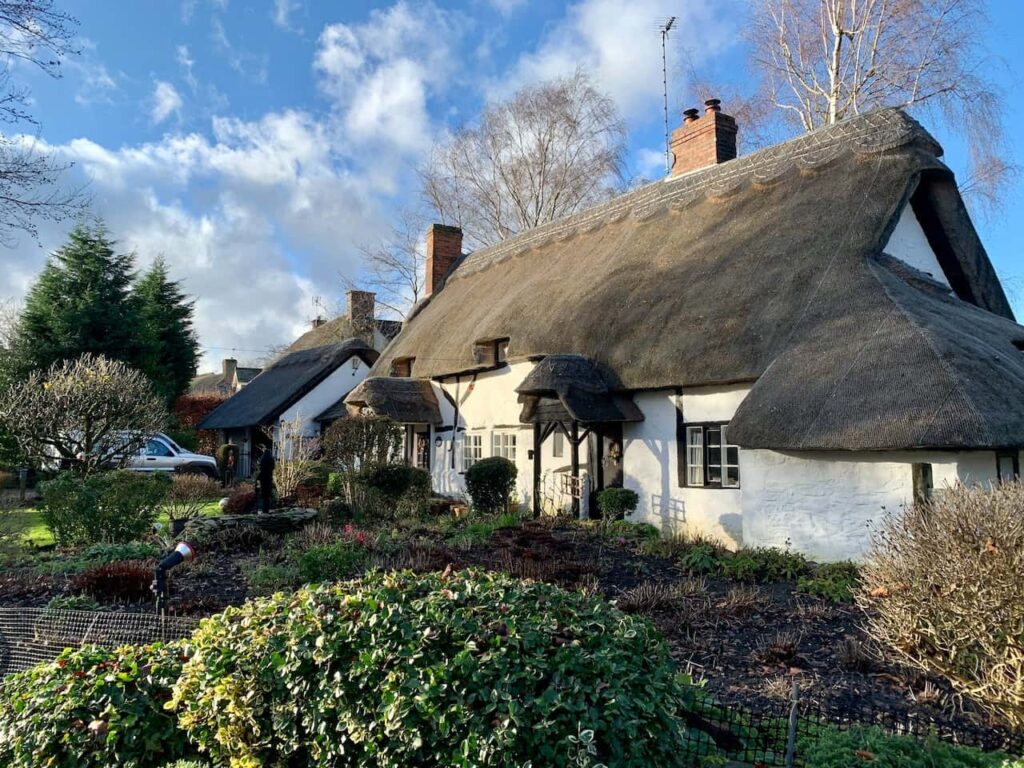
- Roof Complexity: Roofs with many dormer windows, valleys, or unusual shapes require more time and material to shape and seal, driving the price up.
- Re-Ridging: The ridge (the very top line of the roof) is the most exposed area. It is typically replaced every 10 to 15 years and is a mandatory, recurring expense.
- Insurance: Due to the perceived fire risk (though modern fire protection methods exist), premiums for a thatched property are usually higher than for a home with a standard roof.
2. Essential Maintenance: The Art of Upkeep
While a well-installed thatch roof can last for decades, its longevity is entirely dependent on regular, specialized maintenance.

A. Regular Inspections and Cleaning
Thatch is a natural, organic material, making it susceptible to external factors.
- Pest and Bird Control: Birds, rodents, and insects are attracted to the material for nesting. Homeowners frequently use specialized wire netting (thatch netting) to deter pests.
- Moss and Algae: These growths trap moisture, preventing the thatch from drying out and leading to faster decay. Thatchers recommend periodic cleaning to remove heavy moss buildup.
- Trim Overhanging Branches: Trees and bushes should be cut back to ensure the thatch receives maximum sunlight and airflow, allowing it to dry quickly after rain.
B. Re-Thatching and Repair
Unlike tile roofs where a single unit can be replaced, thatch maintenance involves adding new material or replacing the entire top layer.
- Surface Dressing/Patching: Minor repairs and adding new patches can extend the roof’s life between full re-thatchings.
- Re-Ridging: This is the most crucial regular task. The ridge is usually made of long straw or decorative sedge and must be replaced periodically to ensure a tight, waterproof seal.
3. The Uniqueness: Aesthetic and Environmental Benefits
Beyond the cost and upkeep, the thatch roof offers undeniable benefits that contribute to its timeless appeal.
Excellent Natural Insulation
The very density and structure of the packed reed or straw create thousands of tiny air pockets. This results in superb thermal insulation, keeping the house cool in the summer and warm in the winter, often leading to reduced heating and cooling bills.
Sustainability and Eco-Friendliness
Thatching uses renewable, natural materials like water reed and straw, which are local agricultural byproducts. At the end of its life, the material is biodegradable, making it one of the most eco-friendly roofing choices available.
A Unique Aesthetic and Craftsmanship
No two thatched roofs are exactly alike. The shape, texture, and color change slightly as they age, giving each property a distinct, character-filled appearance. The ridge often features decorative patterns, known as liggers or spars (hazel or willow rods), which showcase the unique artistry and regional style of the Master Thatcher who installed them.
In conclusion, a thatched roof is a labour of love. While demanding a higher initial investment and specialized, ongoing maintenance, the rewards are a uniquely charming, environmentally sustainable, and wonderfully insulated home that stands as a living tribute to a beautiful, enduring architectural tradition.