


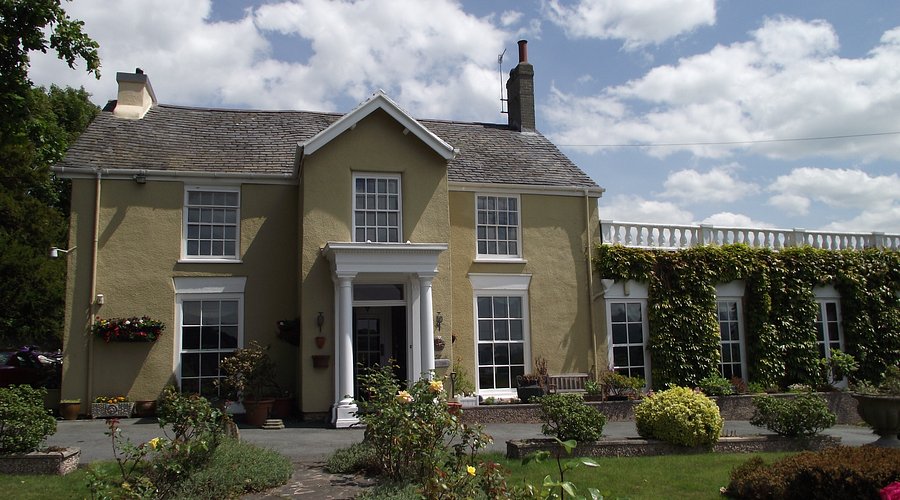
Few properties evoke the same sense of quintessential English country living and tranquil charm as The Old Rectory. Once the official residence of the parish priest or rector, these homes—often situated in the heart of historic villages—have transcended their ecclesiastical origins to become highly sought-after symbols of architectural elegance, spaciousness, and rural peace.
The transition of the Rectory from a functional church dwelling to a prized domestic residence is a story rooted in the shifting social and economic landscape of the UK.
A History Rooted in the Parish
The term ‘Rectory’ historically referred to a house provided for a rector, a cleric who was entitled to the entire tithes (a portion of the parish’s produce or income) of the parish. Due to this association with wealth, Rectories were often among the most substantial and well-built homes in the village, typically sitting on generous plots of land.
Architectural Evolution
The architecture of these homes varies wildly, reflecting the long period over which they were built—from the Tudor and Georgian eras right up to the late Victorian period. This variety is part of their charm:
- Georgian Elegance: Many Rectories from the 18th century boast balanced, symmetrical facades, large sash windows, and light-filled interiors—ideal for modern family living.
- Victorian Grandeur: Later Rectories often feature more complex designs, rich detailing, and the sheer scale necessary to accommodate large families, staff, and the rector’s duties.
- The Element of Surprise: Regardless of the era, the defining features are generous proportions, high ceilings, and an undeniable sense of history and permanence.
The Transformation: From Clergy to Comfort
The majority of Old Rectories were sold off by the Church Commissioners in the mid-to-late 20th century, often due to the high costs of maintaining such large properties. This mass privatization opened the market, allowing these historic houses to begin their second life as private homes.
Symbol of Domestic Bliss
What makes the Old Rectory a potent symbol of country charm and desirability today?
- Space and Scale: They offer substantial, well-proportioned rooms—perfect for large families or those seeking spacious, elegant interiors.
- Location: They are typically located within or close to historic village centres, often near the church, benefiting from an established, picturesque community setting.
- Walled Gardens: The grounds were often designed for self-sufficiency, leading to beautiful, established gardens, often with original walled sections, kitchen gardens, and mature trees, creating a feeling of secluded tranquility.
Design Features for Modern Living
When converted into modern family homes, The Old Rectory offers a perfect canvas for blending historical features with contemporary luxury:
- Original Features as Focal Points: Period fireplaces, original wooden floors, window shutters, and ornate cornices are carefully restored, providing character that new builds simply cannot replicate.
- Light and Air: The large windows typical of Rectory architecture flood the interiors with natural light, complementing modern, open-plan kitchen and living areas that are often integrated into the back of the house.
- Blending Old and New: Interior design often involves using a sympathetic palette—deep heritage colours or soft, natural tones—to respect the age of the house, while furniture and fixtures bring in contemporary comfort and style.
In conclusion, The Old Rectory stands as a magnificent testament to English architectural heritage. Its history provides depth, its scale offers space, and its established setting embodies the elusive ideal of rural tranquility—making it the quintessential home for those who dream of country living.
What architectural era—Georgian or Victorian—do you think produced the most charming Old Rectories, and why?