
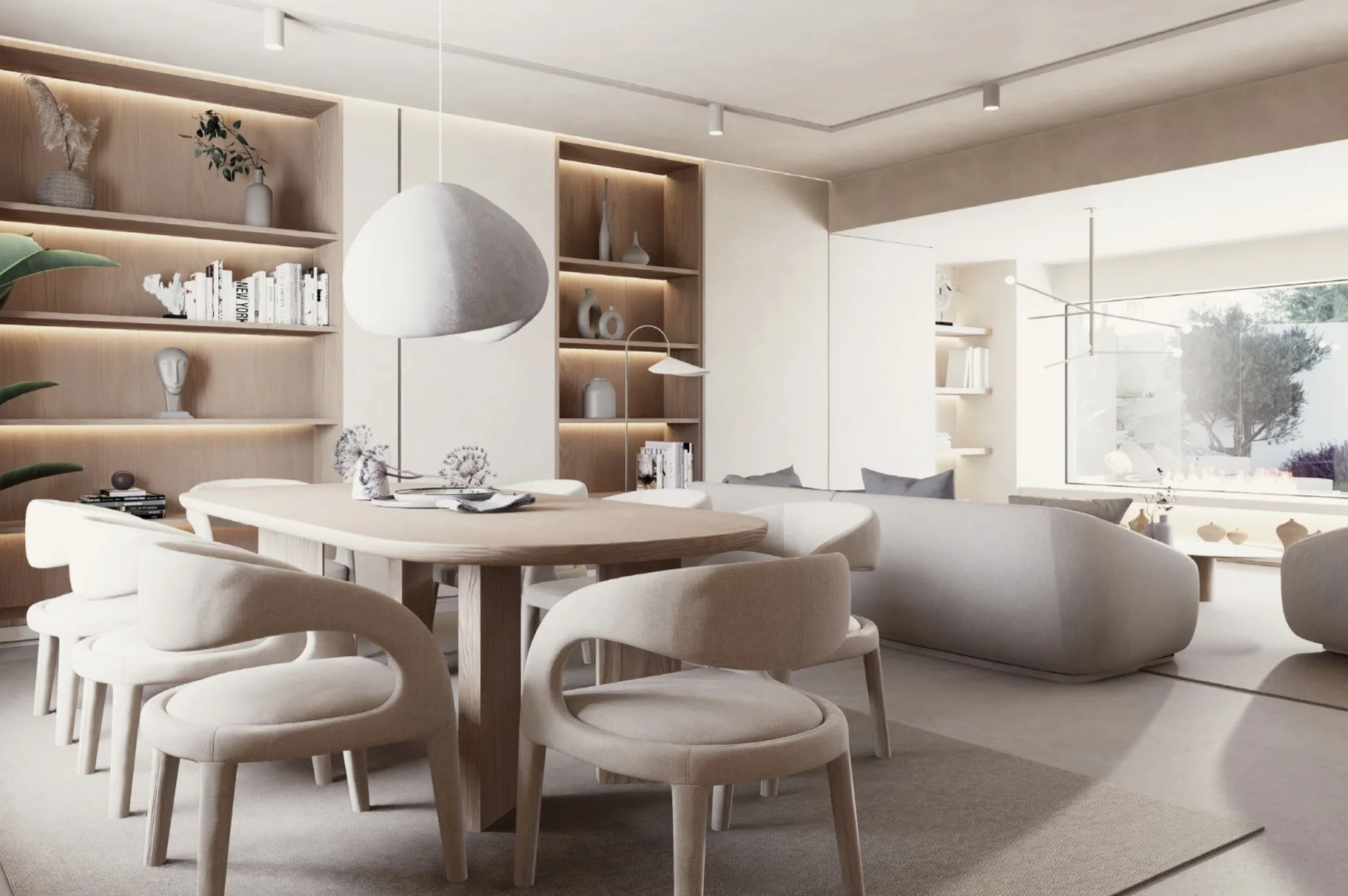
At first glance, Japan and Scandinavia might seem worlds apart. One is rooted in ancient Eastern philosophy and the art of mindfulness; the other is born from the chilly, minimalist landscapes of Northern Europe. Yet, despite the thousands of miles between them, these two cultures share a profound design philosophy: a deep respect for nature, a love of simplicity, and a commitment to craftsmanship.
Enter Japandi—one of the most enduring and sought-after interior design trends of recent years.
If you’re looking to create a home that feels serene, uncluttered, and deeply welcoming, Japandi might just be your dream aesthetic. Here is a guide on how to seamlessly blend Japanese functionality with Scandinavian coziness.
What is Japandi Design?
Japandi is a hybrid design style that marries the rustic warmth of Japanese rustic minimalism with the modern, functional elegance of Scandinavian design (often encapsulated by the Danish word hygge).
While both styles are rooted in minimalism, they balance each other out perfectly:
- Scandinavian design can sometimes feel stark or overly clinical. The addition of Japanese warmth, rich textures, and wabi-sabi elements grounds the space.
- Japanese design can sometimes feel austere. The addition of Scandinavian textiles, soft lighting, and plush furnishings brings in the necessary comfort for daily living.
Key Pillars of the Japandi Aesthetic
If you want to bring this look into your home, focus on these foundational elements:
1. A Neutral, Earthy Color Palette
Both design traditions draw heavily from nature, so your color palette should reflect the outdoors. Think muted, calming tones:
- From Scandinavia: Crisp whites, soft grays, and oatmeal.
- From Japan: Richer, earthy tones like warm terracotta, matcha green, rich charcoal, and deep indigo.
- Tip: Contrast pale Scandinavian woods with darker Japanese-inspired accents (like black stained wood or charred yakisugi wood) to create visual depth.
2. Focus on Function and Minimalism
Clutter is the enemy of Japandi. Every item in the room should serve a purpose or bring you joy (a nod to both Marie Kondo and minimalist Scandinavian living). Keep surfaces clean, furniture streamlined, and storage hidden.
3. Bring the Outdoors In
Biophilic design is central to both cultures. Incorporate house plants—particularly those with sculptural qualities, like a tall fiddle-leaf fig, a delicate bonsai, or simple branches in a ceramic vase. Natural light should be maximized; keep window treatments sheer and minimal to let the sunshine pour in.
Room-by-Room Guide: How to Achieve the Look
The Living Room
- Furniture: Opt for low-profile furniture, a hallmark of traditional Japanese interiors. Choose sofas and chairs with clean lines and exposed wooden frames in light oak or walnut.
- Textiles: Layer textures to add warmth. Think linen throw pillows, a chunky wool rug, and a lightweight throw blanket draped casually over a sofa.
- Decor: Keep accessories to a minimum. Display a single piece of pottery with a wabi-sabi imperfection rather than a cluster of knick-knacks.
The Bedroom
- The Bed: A low-to-the-ground platform bed is essential.
- Bedding: Ditch the heavy duvets in favor of crumpled linen bedding in neutral tones like stone, sage, or cream.
- Lighting: Use paper lanterns (reminiscent of traditional Noguchi lamps) or sleek, matte-black reading lights to create a soft, ambient glow.
The Kitchen & Dining Area
- Materials: Combine light wood cabinetry with dark hardware. Introduce handmade ceramics, stoneware, and artisan tableware that celebrate the beauty of imperfection.
- Seating: Dining chairs should be comfortable yet architecturally interesting—think classic mid-century Scandi chairs paired with a minimalist wooden table.
3 Golden Rules for Styling Japandi
- Embrace Wabi-Sabi: This Japanese concept celebrates beauty that is “imperfect, impermanent, and incomplete.” Don’t stress over matching furniture sets, a chipped ceramic mug, or the natural patina on a wooden table. These “flaws” tell a story.
- Quality Over Quantity: Because minimalism is key, invest in fewer, higher-quality pieces made from sustainable, natural materials like solid wood, bamboo, paper, stone, and cotton.
- Prioritize Craftsmanship: Both cultures deeply respect artisans. Look for handcrafted items—woven baskets, hand-thrown pottery, or hand-carved wooden bowls—that show the touch of a human maker.
Japandi is more than just an interior design trend; it’s a lifestyle choice. By combining the best of Japanese and Scandinavian design, you create a home that isn’t just visually stunning, but acts as a sanctuary from the chaotic outside world—a place to breathe, slow down, and simply be.