
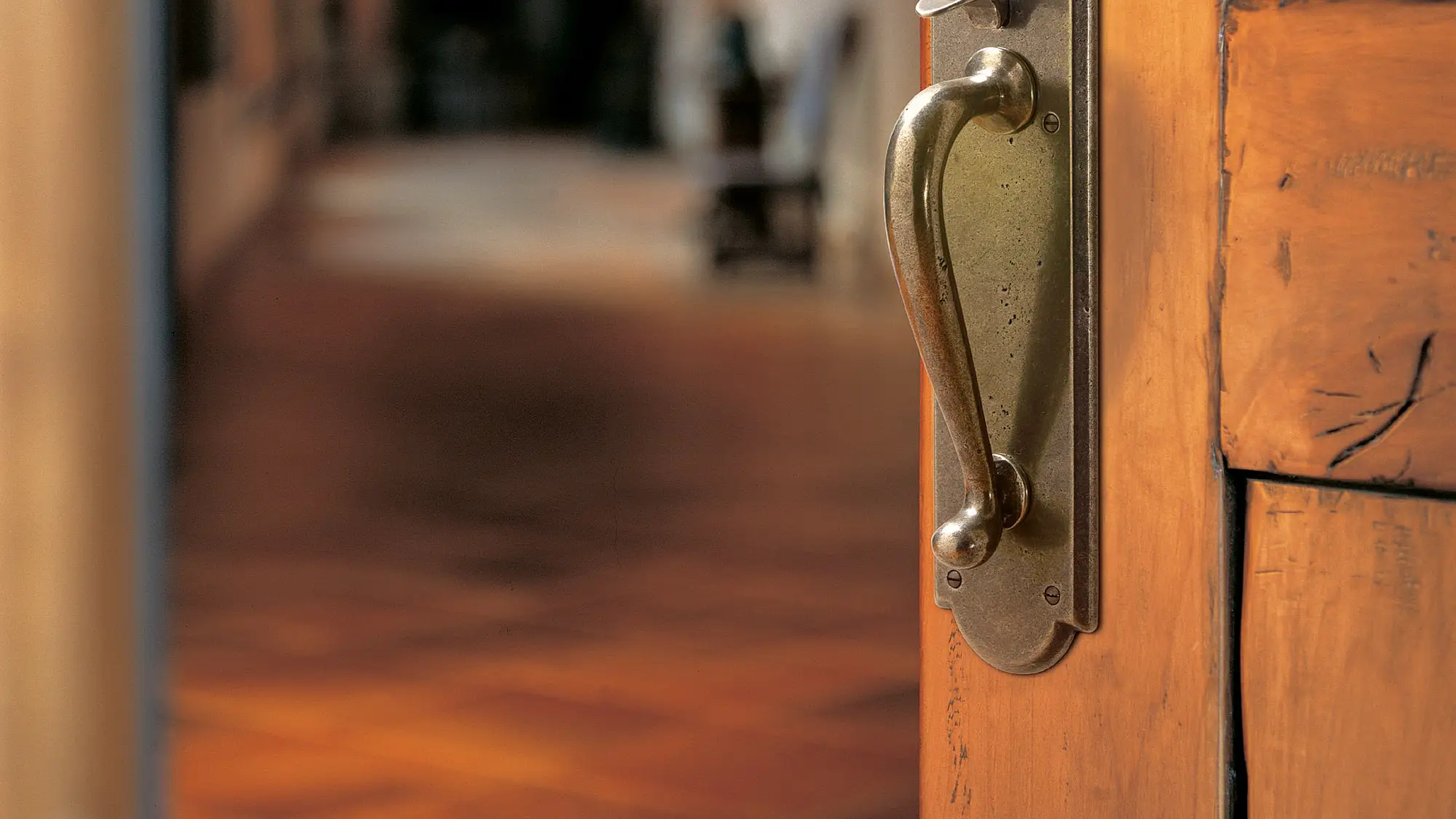
When you walk into a historic home, a boutique hotel, or even a thoughtfully styled modern loft, the first thing you notice isn’t always the paint color or the furniture arrangement—it’s the door. Not just the slab of wood or the sleek panel, but the handle, hinge, lock, and all the little bits of metal that make the door work. Those seemingly‑minor details are the unsung heroes of architectural authenticity.
In this post we’ll explore why hardware matters, how the right choice can instantly elevate a space, and what you can do—whether you’re a homeowner, designer, or preservationist—to make sure your doors and handles tell the right story.
1. Hardware as a Historical Signature
Every architectural era has a distinctive “hardware language.” Think of it as a visual dialect that architects and craftsmen used to communicate the building’s purpose, status, and technology.
| Era / Style | Typical Materials | Common Motifs | Typical Locations |
|---|---|---|---|
| Victorian (1830‑1900) | Brass, bronze, cast iron | Ornate scrollwork, rosettes, “cabbage‑leaf” hinges | Grand entry doors, bedroom suites |
| Arts & Crafts (1880‑1920) | Wrought iron, hand‑forged steel | Simple geometric forms, hammered textures | Front doors, pantry doors |
| Mid‑Century Modern (1945‑1970) | Chrome, brushed stainless, matte black | Clean lines, minimal ornamentation | Sliding glass doors, kitchen cabinets |
| Industrial (late‑19th‑21st c.) | Blackened steel, raw iron | Riveted plates, exposed bolts | Warehouse lofts, restaurant back‑of‑house |
When you replace a Victorian back‑door knob with a glossy, minimal‑profile chrome handle, the whole narrative of the room shifts. The hardware isn’t just functional; it’s a visual cue that says, “This is a Victorian home” or “We’re channeling a 1950s diner vibe.”
Takeaway: If you want a space to feel authentic, match the hardware to its architectural voice.
2. The Functional‑Aesthetic Balance
Good hardware does two things simultaneously:
- Performs – It must swing, latch, lock, and endure daily use.
- Speaks – It communicates style, quality, and sometimes even the social status of the occupant.
A handcrafted bronze lever, for example, can be a functional lock and a statement piece that hints at the building’s original craftsmanship. Conversely, a cheap, mass‑produced plastic knob may function, but it ruins the visual cohesion and can even damage the door over time (e.g., loosening screws, uneven wear).
Why this balance matters:
- Durability: Authentic hardware is often forged or cast from solid metal, meaning it resists warping and corrosion far better than cheap alternatives.
- Touch & Tactile Experience: The weight of a robust brass handle gives a satisfying “click” and a sense of solidity, contributing to the emotional experience of moving through a space.
- Maintenance: Historically appropriate hardware is usually easier to service. Original mortise locks, for instance, can be repaired with period‑correct parts, preserving the door’s integrity.
3. Sourcing Authentic Hardware
A. Salvage & Architectural Reuse
The most straightforward route to authenticity is reusing. Architectural salvage yards, online marketplaces, and estate sales are treasure troves of period hardware. When you buy a salvaged Victorian latch, you’re not just buying a piece of metal—you’re buying a fragment of history.
Tips for successful salvage hunting:
- Measure Twice, Buy Once: Door backsets (the distance from the door edge to the center of the knob/handle) vary widely. Bring a tape measure and a notepad.
- Inspect Finish: Original patina is a sign of age, but ensure there’s no pitting or rust that can’t be treated.
- Check Compatibility: Some historic locks use a “key‑and‑bolt” system that won’t align with modern strikes. Be prepared to adapt the door jamb or lock body.
B. Reproduction Hardware
When original pieces are unavailable or too expensive, high‑quality reproductions often fill the gap. Companies like Restoration Hardware, Rocky Mountain Hardware, and boutique European ateliers produce hardware that replicates historical designs using modern manufacturing techniques—CNC machining, 3‑D printing for prototypes, and improved alloys for longevity.
What to look for in reproductions:
- Exact Dimensions: Pay attention to the “backset” and “rise” (the distance the handle moves when pulled).
- Material Authenticity: If you’re aiming for a Victorian feel, brass or bronze with a subtle antiqued finish is ideal.
- Finish Quality: Hand‑brushed or sand‑rubbed finishes mimic the uneven look of hand‑crafted hardware.
C. Custom Fabrication
For truly unique projects—say, a heritage building with a rare regional lock style—commissioning a smith or metal‑working studio might be the only option. This gives you full control over design, finish, and the “story” behind each piece.
Pros: Complete authenticity, one‑of‑a‑kind look, perfect fit.
Cons: Higher cost, longer lead times, need for ongoing maintenance agreements.
4. The Role of Hardware in Sustainable Design
Authentic hardware isn’t just about aesthetics; it’s also an eco‑friendly choice.
- Longevity Reduces Waste: A well‑made brass handle can last a century, whereas a cheap plastic lever often needs replacement within a decade.
- Recycling & Reuse: Metal hardware is highly recyclable. Salvaged pieces often end up back in the market, closing the material loop.
- Reduced Energy Footprint: Producing a new metal component has a higher carbon cost than refurbishing an existing one. Selecting reclaimed hardware can lower the embodied carbon of a renovation project.
When you prioritize authentic hardware, you’re also making a subtle yet powerful sustainability statement.
5. Practical Design Tips for Different Settings
| Setting | Recommended Hardware | Why It Works |
|---|---|---|
| Historic Home Restoration | Salvaged or high‑grade reproductions in period‑appropriate finishes (e.g., pewter knobs for Georgian). | Maintains visual integrity and meets preservation guidelines. |
| Boutique Hotel Lobby | Custom brass lever handles with an aged patina + heavy‑duty concealed hinges. | Creates a sense of luxury and durability for high‑traffic areas. |
| Modern Minimalist Apartment | Brushed stainless or matte black cylindrical levers; hidden pivot hinges. | Complements clean lines while providing a sleek, understated presence. |
| Industrial Loft | Blackened steel or raw iron hinges, rivet‑style lock plates, cage‑style door handles. | Echoes the building’s original warehouse character. |
| Co‑Working Space | Durable powder‑coated steel handles + ADA‑compliant lever hardware. | Balances inclusivity, robustness, and contemporary look. |
General Rules of Thumb
- Match the Door Thickness. Heavy oak doors (1.25‑1.5 in) need robust hinges (¾‑inch leaf) and larger backplates. Thin interior doors (¾‑in) work with slim, surface‑mounted handles.
- Think About Traffic Flow. In high‑traffic zones, opt for lever handles rather than knobs—they’re easier to operate, especially for people with limited hand strength.
- Don’t Forget the Door Stop. A well‑crafted door stop (metal, wood, or combined) protects walls and adds a finishing touch.
- Pay Attention to Alignment. Misaligned strike plates lead to wear and a “loose” feel. If you’re swapping hardware, adjust the mortise or use adjustable strike plates.
6. The “Feel” Factor: How Touch Influences Perception
A subtle, often overlooked aspect of authenticity is tactility. The weight and texture of a handle stimulate the brain in ways that visual cues alone cannot.
- Heavier hardware often feels “more important,” lending gravitas to a formal entry.
- Warm metals like brass radiate subtle heat, giving a welcoming sensation, whereas cold stainless can feel clinical.
- Smooth, rounded knobs invite a gentle grip, while angular levers demand a decisive pull, subtly reinforcing the space’s character.
When you test a handle in the showroom, notice how it feels in your hand. That physical reaction is part of the storytelling.
7. A Quick Checklist for Ensuring Authentic Hardware
| ✅ | Item |
|---|---|
| 1 | Identify the building’s architectural period and regional style. |
| 2 | Measure door dimensions: thickness, backset, rise, and hinge placement. |
| 3 | Decide between salvage, reproduction, or custom fabrication based on budget and availability. |
| 4 | Verify material compatibility (e.g., brass on oak, stainless on metal doors). |
| 5 | Test the hardware for smooth operation before final installation. |
| 6 | Document the hardware’s provenance for future reference or resale. |
| 7 | Incorporate a maintenance plan – oil brass, tighten screws, and inspect hinges annually. |
8. Real‑World Success Stories
1. The 1885 Rowhouse Renovation – Philadelphia
The owners sourced original iron hinges and a set of brass “cabbage‑leaf” handles from a local salvage yard. The hardware was cleaned, re‑plated, and installed on the front door. The result? A restored façade that earned a local preservation award, praised for its “faithful attention to period detail.”
2. The Downtown Boutique Hotel – Portland
The designer commissioned a custom bronze lever with an antiqued finish to accompany the hotel’s Art Deco lobby. Paired with concealed pivot hinges, the doors now receive a daily “wow” from guests, and the hardware itself has become a branding element, featured in promotional photos.
3. The Sustainable Co‑Working Hub – Austin
Using reclaimed steel door handles from a demolished factory, the space achieved a 50% reduction in embodied carbon for its interior fit‑out. The raw, industrial look also resonated with the hub’s target audience of tech start‑ups.
9. Final Thoughts: Hardware as the Bridge Between Past and Present
Doors are portals—not just physically, but culturally and emotionally. The handles, hinges, and locks that make those portals work are the tiny bridges that connect us to a building’s original intent, to the hands that crafted it, and to the stories that unfolded behind it.
When you choose hardware with intention—whether you’re preserving a centuries‑old manor, designing a cutting‑edge office, or simply updating a kitchen cabinet—you’re making a statement: authenticity matters, and the details are where truth lives.
So next time you reach for a doorknob, pause for a moment. Feel its weight, admire its finish, and consider the narrative it carries. In that simple act, you’re honoring the craftsmanship of the past and ensuring that the story continues, authentic and alive, for the generations to come.
Ready to upgrade your doors?
Start by mapping out the architectural language of your space, then explore local salvage yards or reputable reproduction makers. And don’t forget—great hardware is an investment, not an expense. It’s the hinge on which the whole experience swings.
Happy designing, and may every door you open lead to a richer, more authentic world.