
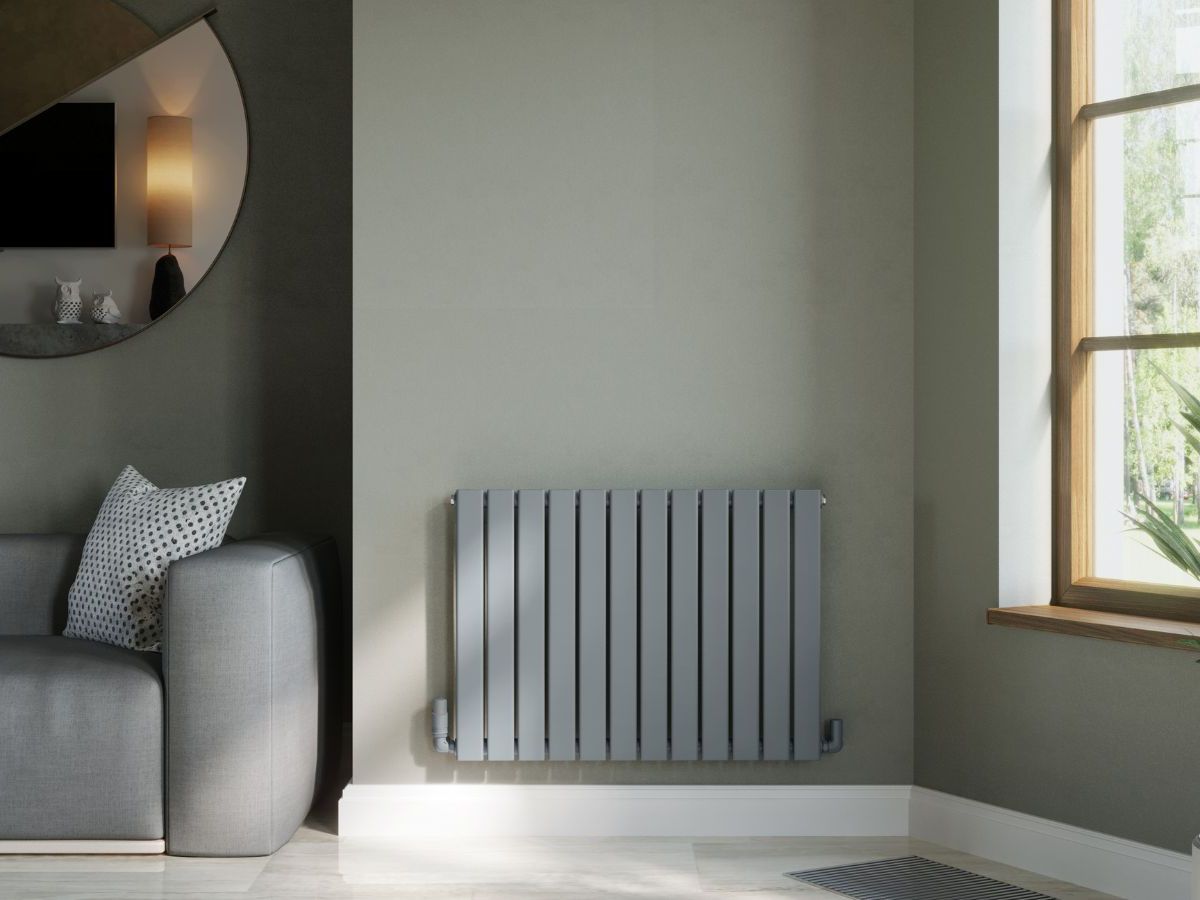
As the leaves start to fall and the temperature outside begins to drop, most of us are thinking about dusting off our cozy sweaters and turning up the thermostat. But before you hunker down for the cold months ahead, ask yourself this: Are your radiators working as efficiently as they could be?
If your boiler is chugging away, but your living room still feels a bit chilly—or worse, your radiators are hot at the bottom and stone-cold at the top—you likely have trapped air in your heating system.
Don’t panic! You don’t need to call an expensive plumber to fix this. Bleeding your radiators is one of the easiest, most cost-effective DIY home maintenance tasks you can do. In this guide, we’ll walk you through why it happens, how to spot the signs, and step-by-step instructions on how to bleed a radiator safely.
Why Do Radiators Get Cold at the Top?
Over time, air bubbles find their way into your home’s central heating system. Because air is lighter than water, these bubbles naturally rise to the highest point of the system—which usually means the top of your radiators.
When a pocket of air gets trapped inside, it prevents hot water from circulating properly. The result? Your heating system works twice as hard, uses more energy, and leaves your home feeling decidedly frosty.
Benefits of Bleeding Your Radiators:
- Lower Energy Bills: Trapped air makes your boiler less efficient. By bleeding them, your home heats up faster, using less gas or electricity.
- A Warmer Home: Say goodbye to cold spots and hello to consistent, cozy warmth in every room.
- Prolonged System Lifespan: Reducing strain on your boiler and pipes helps prevent costly breakdowns in the dead of winter.
Signs Your Radiators Need Bleeding
How do you know it’s time to grab your radiator key? Keep an eye (and a hand) out for these telltale signs:
- Cold spots at the top: The bottom of the radiator is warm, but the top remains cold.
- Strange noises: You hear gurgling, bubbling, or rattling sounds coming from the radiator or pipes when the heating turns on.
- Higher energy bills: Your heating has been on for hours, but the rooms still feel chilly, forcing you to crank up the thermostat.
- Slow to heat up: It takes a remarkably long time for certain rooms to reach a comfortable temperature.
What You’ll Need Before You Begin
Before you get started, gather these few basic items. You likely already have them lying around the house:
- A radiator key (or a flathead screwdriver, depending on your radiator valves). You can buy a radiator key for a couple of dollars at any hardware store.
- An old cloth or rag (to catch any potential drips).
- A small bowl or cup (for any escaping dirty water).
- Work gloves (optional, but helpful just in case the water is warm).
Step-by-Step Guide: How to Bleed a Radiator
Follow these simple steps to get your heating system winter-ready in no time.
Step 1: Turn on Your Heating
Turn your central heating on so all the radiators get hot. This creates pressure in the system, which helps push the trapped air out. Once the radiators are warm, turn the heating off before you start bleeding them.
⚠️ Safety Warning: Do not attempt to bleed radiators while the heating is actively running, as the water inside can be scalding hot.
Step 2: Locate the Bleed Valve
Walk around your house and find the radiators that need attention. Look at the sides of the radiator near the top. You’ll see a small square metal pin embedded inside a circular nut—this is the bleed valve.
Step 3: Position Your Cloth and Key
Hold your old cloth or rag underneath the valve. Place your small bowl right below it to catch any drips.
Insert your radiator key (or flathead screwdriver) onto the square valve pin.
Step 4: Open the Valve Slowly
Gently turn the key anti-clockwise (counter-clockwise). You should only need to turn it a quarter or a half-turn.
As the air escapes, you will hear a distinct hissing sound. This is the trapped air finally making its way out of the system.
Step 5: Close the Valve When Water Appears
Keep the valve open until the hissing stops and a steady stream of water starts to trickle out. As soon as you see water, turn the key clockwise to close the valve tightly.
Tip: Don’t over-tighten the valve, or you might strip the thread.
Step 6: Repeat Across the House
Wipe away any stray drips with your cloth and move on to the next radiator. Always start with the radiators on the lowest floor of your home and work your way up.
Post-Bleeding Check: Boiler Pressure
Once you’ve bled all the radiators in your home, take a quick trip to look at your boiler’s pressure gauge (usually located on the front of the boiler).
Releasing air from the system can cause the overall water pressure to drop. If the needle on your pressure gauge has fallen into the red zone (typically below 1.0 bar), you will need to re-pressurize your boiler using the filling loop until it sits comfortably in the green zone (usually between 1.0 and 1.5 bar).
(Note: If you have an older gravity-fed system with a cold water tank in the loft, you won’t need to worry about this step).
Finally, turn your central heating back on and do a quick victory lap around the house—every radiator should now be piping hot from top to bottom!
How often should I bleed my radiators?
It’s best to bleed your radiators at least once a year, ideally in the early autumn before you turn your heating on for the winter. However, you can do it anytime you notice cold spots.
Is it normal for the water to be dirty?
Yes! The water that comes out might be dark brown or black. This is just a mix of rust and debris that naturally accumulates inside metal pipes over time. Just wipe it up quickly with your cloth so it doesn’t stain your walls or floors.
What if my radiator is still cold after bleeding it?
If you’ve bled a radiator and it’s still cold, the issue might not be trapped air. It could be caused by:
- A stuck thermostatic radiator valve (TRV).
- Sludge buildup at the bottom of the radiator (which requires a system flush).
- A faulty circulation pump.
If troubleshooting doesn’t work, it’s best to call a certified heating engineer.
Ready for a Warm, Cozy Winter?
Bleeding your radiators is a quick, 20-minute DIY job that pays off in spades. By taking care of this simple piece of winter prep now, you’ll enjoy a warmer home, a more efficient heating system, and lower energy bills all winter long.