
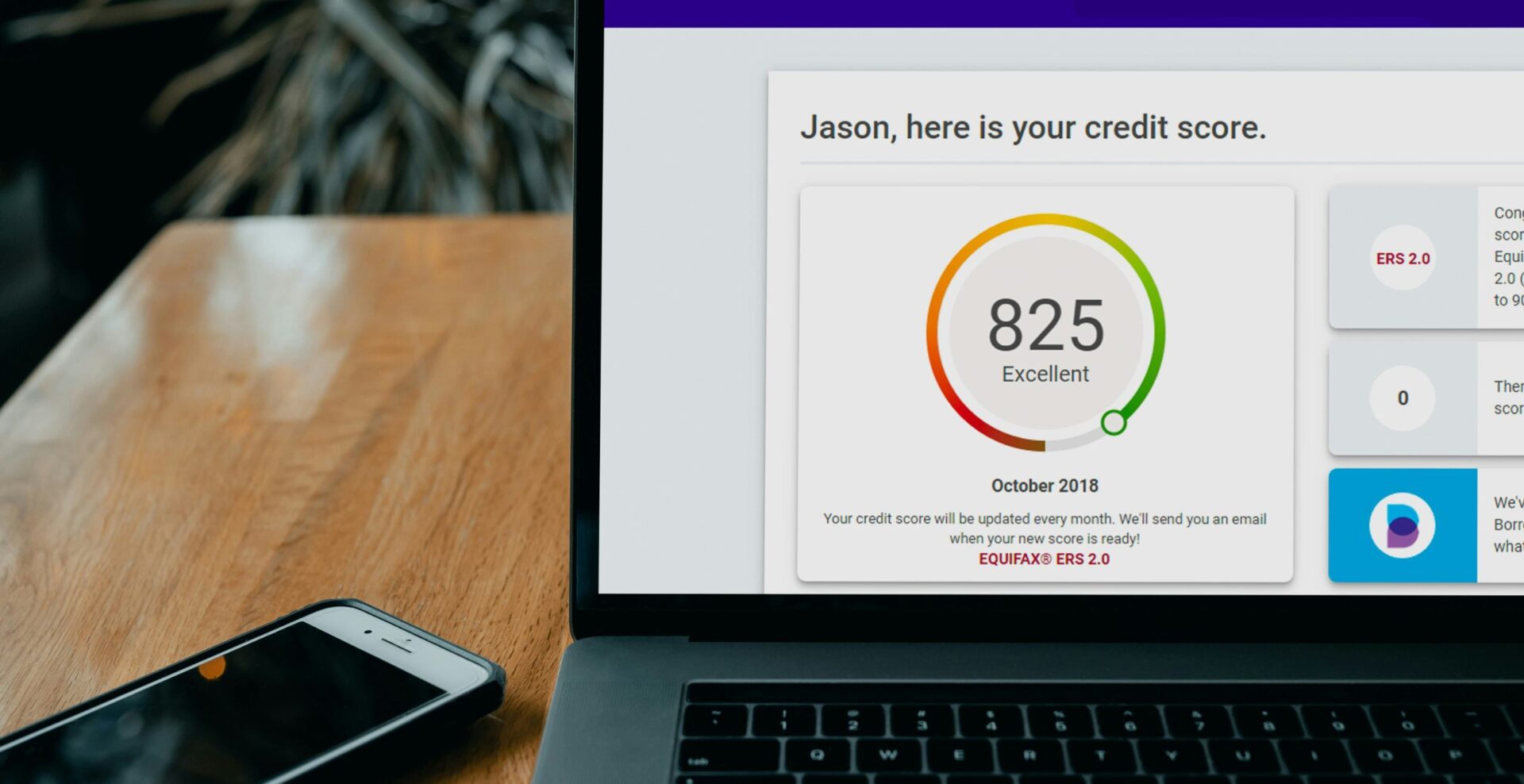
Securing a mortgage is one of the biggest financial milestones you’ll reach. However, in the UK, your credit score is the gatekeeper to your dream home. A higher score doesn’t just improve your chances of approval—it often unlocks lower interest rates, saving you thousands of pounds over the life of your loan.
If you are looking to boost your credit score quickly to get house-hunting, you’ve come to the right place. Here is your actionable guide to improving your credit health and getting mortgage-ready.
Check Your Reports Across All Three Agencies
In the UK, there isn’t just one credit score. Lenders look at data from three main Credit Reference Agencies (CRAs): Experian, Equifax, and TransUnion.
Errors are surprisingly common—an old address, a settled debt marked as outstanding, or even a typo can drag your score down.
- Action: Use a free service like MoneySavingExpert’s Credit Club (Experian), ClearScore (Equifax), or Credit Karma (TransUnion) to check your files. If you spot an error, file a “Notice of Correction” immediately.
Register on the Electoral Roll
This is the fastest “quick win” for your credit profile. Lenders use the electoral roll to verify your identity and your address history. It proves you are who you say you are and provides stability to your application.
- Action: Head to the GOV.UK website and register to vote at your current address. This can often result in a significant score jump within a month.
Pay Down—Don’t Just Close—Credit Cards
While it’s tempting to close old credit accounts, this can actually hurt your “credit age” and lower your available credit limit, which negatively impacts your Credit Utilization Ratio.
The goal is to keep your balance below 30% of your total limit. If you have a £1,000 limit, try to keep your balance below £300.
- Action: If you are carrying high balances, pay them down strategically rather than closing the accounts. Clearing debt shows lenders you are responsible with credit.
Disassociate Yourself from Financial “Exes”
If you have a joint bank account, loan, or mortgage with an ex-partner who has a poor credit history, their financial behavior can “taint” your report.
- Action: If you no longer have financial ties, contact the three CRAs and request a “Notice of Disassociation.” This ensures their credit history is no longer considered when you apply for your mortgage.
5. Avoid “Hard Credit Searches” Before Applying
Every time you apply for credit—a new phone contract, a car loan, or a new credit card—the lender performs a “hard search.” Too many of these in a short period act as a red flag, signaling to mortgage lenders that you are desperate for credit.
- Action: Pause all new credit applications at least 3–6 months before you apply for your mortgage. Use “eligibility checkers” (which use soft searches) if you absolutely must check your chances for a product.
Automate Your Bills (Direct Debits)
Missing even one payment can cause your credit score to plummet. A single missed payment can stay on your file for six years.
- Action: Set up Direct Debits for all your regular payments—utilities, credit cards, and mobile phone contracts. This ensures you never miss a deadline, demonstrating consistent financial reliability to future lenders.
Use a Credit-Building Tool (If Necessary)
If you have a “thin” credit file (meaning you haven’t used much credit in the past), it can be just as hard to get a mortgage as having bad credit.
- Action: Consider a “credit-builder” card. Use it for small purchases (like your weekly groceries) and set up a full automatic payment for the balance every month. This proves you can manage credit responsibly without paying a penny in interest.
When Will You See Results?
The impact of these changes isn’t instantaneous, but most people see a significant improvement within 3 to 6 months.
Consult a Mortgage Broker
If you’ve done the work and are worried about your score, don’t apply to banks blindly. A whole-of-market mortgage broker knows which lenders are more lenient toward specific credit profiles. They can help you present your financial picture in the best possible light, ensuring you don’t waste time on rejections that could further damage your score.
Ready to start? Start by checking your reports today. Small, consistent changes are the fastest route to getting those keys in your hand.