When it comes to British interior design, we are a nation of fascinating contradictions. On one hand, we invented the stately home—draped in heavy velvets, gilded frames, and walls saturated in rich, moody jewel tones. On the other hand, we have a deep-seated love for understated Georgian proportions, crisp neutral palettes, and the clean, uncluttered lines of modern country living.
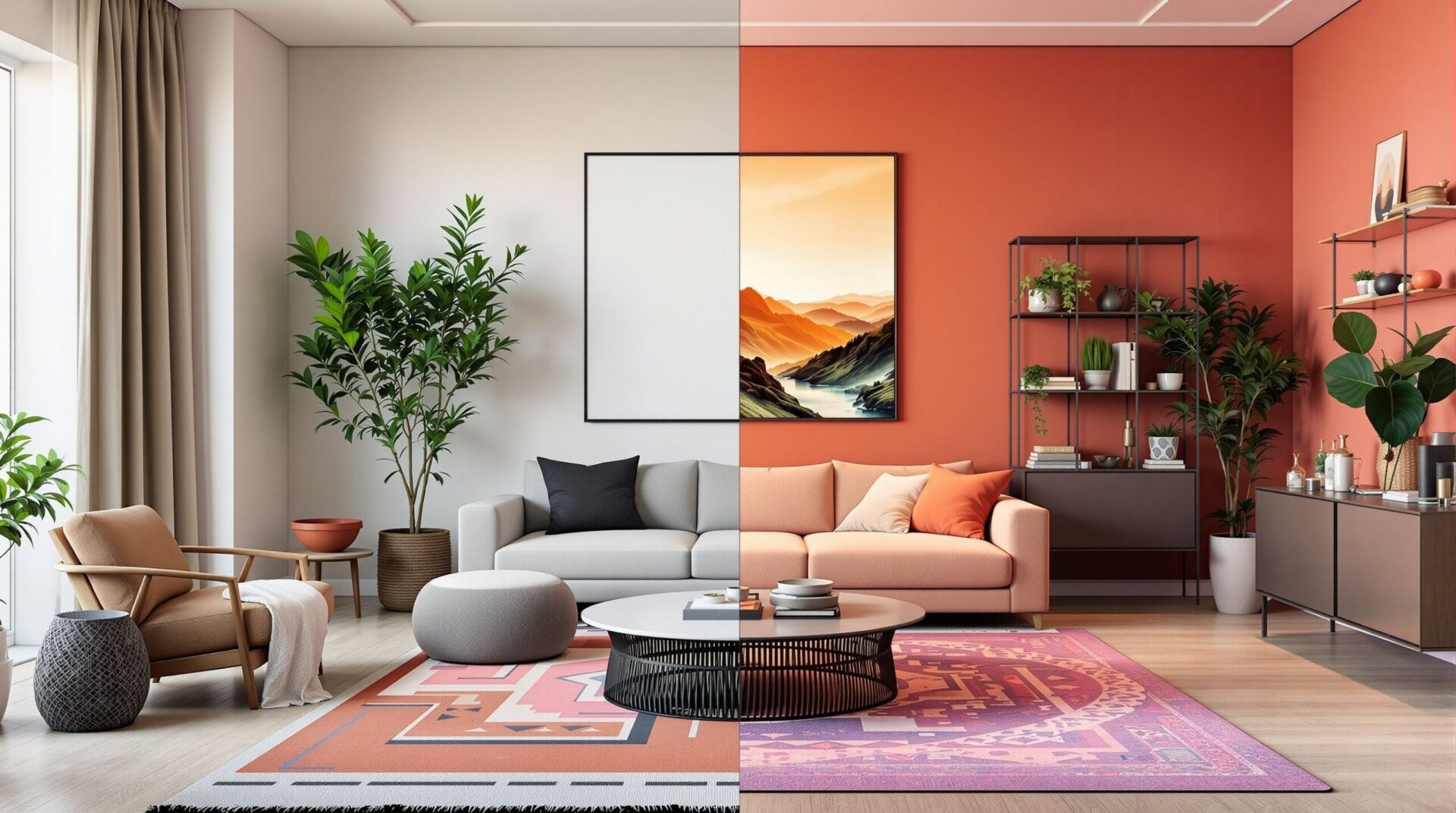
If you’re staring at your living room and wondering whether to strip it back to bare timber and calming neutrals or pile it high with patterned wallpaper and antique oddities, you’re not alone. The eternal debate of Maximalism versus Minimalism is alive and well in British homes.
So, which side of the design fence do you sit on? Let’s explore both worlds and help you find your signature British style.
Team Minimalism: The Quiet Calm of Modern Britain
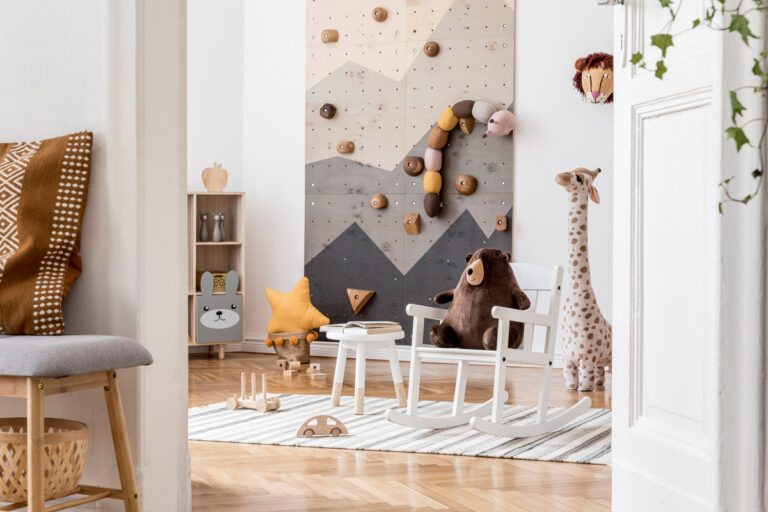
Minimalism in a British context isn’t about stark, cold, gallery-like white boxes. Because our weather can be grey and our historic homes often feature charming quirks (low ceilings, uneven floors, tiny hallways), British minimalism tends to be softer, warmer, and deeply tactile.
Think of it as Japandi meets the Cotswolds.
- The Look: A restrained palette of chalky whites, warm beiges, soft greys, and earthy stone. Furniture has clean lines, often crafted from pale oak, ash, or reclaimed pine.
- The Vibe: Serene, breathable, and intentional. Every item in the room has a purpose or a profound personal meaning.
- How to do it the British way: To stop a minimalist British home from feeling cold, lean heavily into texture rather than color. Think nubby boucle armchairs, natural linen roman blinds, rustic wooden ceiling beams left exposed, and a simple ceramic vase holding foraged branches.
Is this you? You feel instantly relaxed when surfaces are clear. You prefer the view out your sash window to be the focal point of the room, and the thought of dusting a hundred trinkets fills you with dread.
Team Maximalism: The Eccentric English Country House
At the other end of the spectrum is glorious, unapologetic maximalism. This is the realm of the English eccentric—think Kit Kemp, Luke Edward Hall, or the legendary interiors of Charleston House. It’s a style built on storytelling, heritage, and a joyful disregard for “the rules.”
- The Look: Layered patterns, clashing florals, heritage tartans, gallery walls crammed with oil paintings, and bold, saturated wall colors (think Farrow & Ball’s Studio Green or Little Greene’s Invisible Green).
- The Vibe: Cozy, eclectic, worldly, and full of personality. It’s a home that wraps its arms around you on a rainy November evening.
- How to do it the British way: British maximalism is rarely about buying everything brand new. It’s about the hunt. It’s pairing a bold, contemporary velvet sofa with a battered Victorian mahogany chest of drawers, topped with vintage brass candlesticks and a fringed lampshade. It looks collected over decades, even if you just finished it last week.
Is this you? Your motto is “more is more.” You can’t walk past a charity shop or antique fair without buying something, and you believe every blank wall is a missed opportunity for a painting.
The British Middle Ground: “Managed Maximalism”
Here’s a secret: most of us don’t fit neatly into a rigid design box. In fact, some of the best British interiors borrow from both worlds.
Enter Managed Maximalism (sometimes called the ” curated eclectic” look). This is where you keep your architectural backdrop relatively calm—perhaps crisp white walls and simple wooden floors—but use furniture, art, and textiles to inject heavy doses of personality.
Alternatively, try the “Maximalist Room” approach: Keep your hallway, kitchen, and bedrooms sleek and minimalist to create a sense of flow and calm, but let loose in the downstairs loo or the living room with floor-to-ceiling patterned wallpaper and jewel-toned velvet.
How to Find Your Style
If you’re struggling to decide which direction to take your home, ask yourself these three questions:
- What does your nervous system need? Walk into your favorite room. Do you instantly exhale because it’s tidy and quiet? You lean minimalist. Do you feel energized and comforted by surrounding objects and colors? You lean maximalist.
- How do you live? Do you have three spaniels, two kids, and a penchant for collecting vintage ceramics? True minimalism might feel like a second job to maintain. Lean into the forgiving, layered embrace of maximalism.
- What is your home telling you? Let your architecture guide you. A Victorian terrace with high ceilings and original cornicing practically begs for deep colors and heavy drapes. A 1970s split-level or a converted barn often sings when kept minimal and architectural.
The Verdict
Ultimately, the best British style isn’t about strictly following the rules of Minimalism or Maximalism—it’s about telling your story. Whether that story is told through a single, perfect mid-century armchair against a white wall, or a riot of floral chintz and framed watercolours, the only rule that truly matters is that you love living in it.
Which side are you on? Are you team calm and collected, or team bold and beautiful? Let us know in the comments below!