
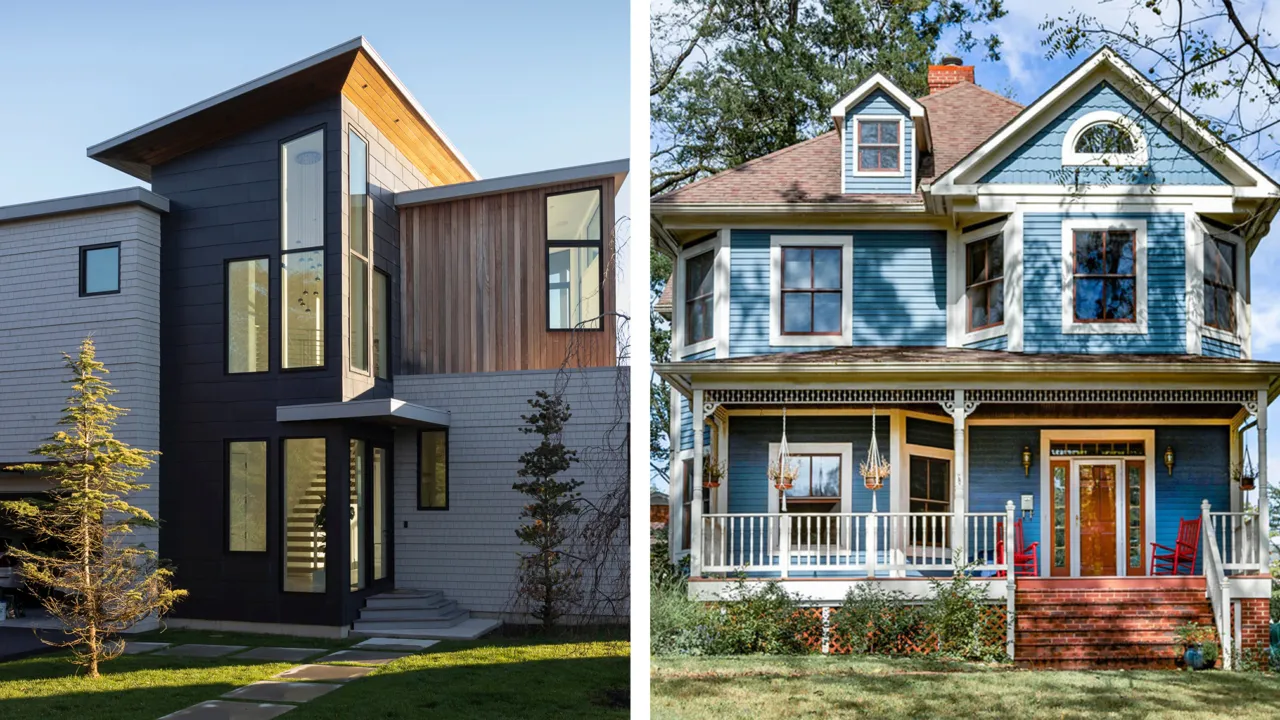
If you’re scrolling through property portals, you’ll quickly notice the stark contrast between gleaming new‑build apartments and charming period houses with original cornices and sash windows. Both can look like “the one,” but when the moment comes to put your money on the line, which side of the ledger really wins?
In this post we’ll unpack the financial, practical, and emotional factors that separate new‑builds from period homes. By the end you’ll have a clear framework to decide which property type aligns with your investment goals – whether you’re a first‑time buyer, a landlord, or a seasoned portfolio player.
What Does “Better Investment” Mean?
Before we dive into the nitty‑gritty, let’s agree on the criteria we’ll judge against:
| Metric | Why It Matters | Typical Impact for New‑Build | Typical Impact for Period Home |
|---|---|---|---|
| Capital Growth | Future resale profit | Often slower initial growth, but can accelerate as area matures | Historically higher appreciation in established neighborhoods |
| Rental Yield | Ongoing cash flow | Lower yields in premium developments, but stable tenancy in high‑demand zones | Can command premium rent for character, but higher upkeep cuts net yield |
| Running Costs | Cash‑flow & resale value | Modern energy‑efficient fabric, low maintenance | Potentially high repair bills, lower EPC ratings |
| Liquidity | Ease of selling | Faster sales in growth hotspots, but oversupply can dent price | Limited supply – often sells quickly, but may be niche |
| Risk Profile | Uncertainty buffer | Developer solvency & build quality risks | Structural/heritage constraints, planning permission headaches |
| Tax & Legal | Cost of ownership | Potentially higher stamp duty on new dwellings; sometimes eligible for first‑time buyer relief | Might benefit from reduced SDLT for “old” properties in certain regions |
A “better” investment will rank highest on the metrics that matter most to you. A landlord may prioritize rental yield, while a buy‑to‑let investor might focus on long‑term capital growth.
New‑Builds – The Fresh‑Start Appeal
What You Get Out‑of‑the‑Box
| Feature | Typical Value |
|---|---|
| Warranty | 10‑year NHBC/BuildTrust structural guarantee |
| Energy Performance | EPC rating A‑B (average 34‑46 kWh/m²/yr) |
| Modern Layout | Open‑plan living, en‑suite bathrooms, integrated tech |
| Compliance | Fire safety, accessibility, building regulations up‑to‑date |
| Developer Incentives | Help‑to‑Buy, stamp‑duty relief for first‑time buyers, “buy‑back” guarantees in some schemes |
Financial Upsides
- Lower Immediate Maintenance – New roofs, windows, plumbing, and heating systems typically last 10‑15 years before major service. That translates into lower short‑term OPEX for landlords and peace of mind for owner‑occupiers.
- Energy Efficiency Savings – An A‑rated EPC can shave £300‑£500 per year off heating bills in a typical three‑bedroom UK home. In rental portfolios, lower utility bills (or the ability to charge tenants a “green premium”) improve net yield.
- Built‑In Marketing – New‑builds often sit in master‑planned communities with amenities (gyms, co‑working spaces, parks). That creates a ready‑made tenant pool, especially in cities where young professionals seek “move‑in ready” homes.
- Finance Benefits – Many lenders offer preferential mortgage rates on newly built properties because the risk of re‑valuation disputes is lower. Some government schemes (Help‑to‑Buy Equity Loan) remove up to 20% of the purchase price for first‑time buyers.
The Flip Side
| Concern | Detail |
|---|---|
| Premium Price | New builds in prime locations can be 10‑25% above comparable older stock. That inflates the entry barrier and drags down initial yield. |
| Depreciation in Early Years | The moment you walk out of the developer’s showroom, the property can lose up to 5‑7% in value as the novelty fades. |
| Quality Variability | Not all developers are created equal. “Cladding scandals” and “snagging” issues have taught investors to vet the builder’s reputation closely. |
| Homogenised Design | Uniform exteriors can make it harder to differentiate the asset in a crowded rental market, potentially pulling rental rates down. |
| Future Planning Restrictions | Master‑planned estates may later impose change‑of‑use or additional‑storey restrictions, limiting long‑term flexibility. |
Period Homes – The Charm Factor
What Makes Them Special?
| Characteristic | Typical Example |
|---|---|
| Architectural Details | Original cornices, fireplaces, sash windows |
| Location | Established neighbourhoods, often within walking distance of city centres, schools, transport |
| Land & Plot Size | Larger grounds, potential for extensions, gardens |
| Historical Value | Listed status (Grade II, etc.) can add prestige |
| Community Fabric | Long‑standing local networks, mature streetscapes |
Financial Upsides
- Higher Capital Growth Potential – Data from the Land Registry (2023) shows that Victorian and Edwardian houses in London, Manchester and Edinburgh have outperformed the overall market by 2‑3% per annum over the last decade.
- Scarcity Premium – There are fewer period properties coming onto the market each year, which can drive up resale prices when demand spikes (e.g., after a transport upgrade).
- Rental Premium for Character – Tenants are often willing to pay 5‑10% more for a home with original features, especially in “heritage” neighborhoods.
- Development Opportunities – If the property is unlisted, you can unlock value through extensions, loft conversions, or adding a rear garden office – often yielding 15‑30% ROI on the refurbishment cost.
The Flip Side
| Concern | Detail |
|---|---|
| Higher Maintenance | Roofs, damp, antiquated wiring, and period windows can require £10‑£30k in remedial work over a 10‑year horizon. |
| Energy Inefficiency | Many older homes sit at EPC ratings D‑E‑F, leading to higher heating costs and potential future regulatory penalties (e.g., “minimum EPC C by 2028” proposals). |
| Planning Constraints | Listed status or conservation area restrictions may limit alterations, impacting your ability to add value. |
| Insurance Premiums | Heritage properties often attract higher premiums due to replacement costs and specialist repair requirements. |
| Longer Transaction Times | The due‑diligence process can be more involved (structural surveys, historic building consents), adding weeks to the buying timeline. |
Putting Numbers to the Debate
Below is a simplified case study that illustrates the cash‑flow and appreciation difference over a 7‑year holding period. All figures are illustrative – your actual numbers will vary based on location, market dynamics, and your financing terms.
| Scenario | New‑Build (3‑bed flat) | Period Home (Terraced 4‑bed) |
|---|---|---|
| Purchase Price | £350,000 | £370,000 |
| Deposit (25%) | £87,500 | £92,500 |
| Mortgage (75% @ 4.1% 25‑yr) | £10,500/month | £11,100/month |
| Annual Running Costs (service charge, ground rent, insurance) | £2,800 | £1,200 |
| Annual Maintenance (average) | £500 | £3,600 |
| Annual Energy Cost (A‑rated vs D‑rated) | £1,000 | £1,800 |
| Net Annual Outflow | £14,800 | £16,200 |
| Rental Income (Assumed) | £13,800 | £15,500 |
| Net Cash Flow | ‑£1,000 | £‑700 |
| Capital Growth (7‑yr) | +5% → £367,500 | +18% → £437,000 |
| Total Return (Cash flow + growth) | £‑7,000 | +£55,300 |
Takeaways
- The period home delivers a much larger capital gain, enough to offset a slightly larger cash‑flow deficit.
- The new‑build enjoys lower running costs but suffers from a modest price appreciation, which can be exacerbated if the development becomes oversupplied.
Caveat: If you buy the new‑build off‑plan with a 5‑year developer discount (e.g., 10% off the launched price) and the market stays stable, its return numbers can swing dramatically in its favour.
Decision‑Making Framework – How to Choose
| Investor Profile | Ideal Property Type | Reasoning |
|---|---|---|
| First‑Time Buyer | New‑Build | Lower deposit (Help‑to‑Buy), warranty, modern standards, minimal immediate repairs |
| Buy‑to‑Let Focused on Yield | New‑Build (in high‑demand city districts) | Predictable rent rolls, lower landlord‑maintenance bills |
| Long‑Term Capital Growth Seeker | Period Home (in established, high‑status areas) | Scarcity, historic appreciation, potential for value‑add extensions |
| Risk‑Averse Investor | New‑Build from reputable developer + strong warranty | Clear legal framework, limited surprise costs |
| Portfolio Diversifier (Character Edge) | Period Home (potentially listed) | Adds unique asset class, appeals to niche tenants, diversification of style risk |
| Investor with Renovation Expertise | Period Home (unlisted) | Ability to capture upside through sympathetic refurbishment/extension |
Practical Steps Before You Commit
- Run the Numbers – Use a spreadsheet or a mortgage calculator to compare total cost of ownership (purchase price, stamp duty, legal fees, mortgage interest, running costs) against projected rental income and capital appreciation.
- Check the Developer’s Track Record – Look for the number of completed projects, any past cladding or snagging disputes, and read reviews from current owners.
- Survey the Period Property Thoroughly – Hire a structural surveyor experienced with historic buildings. Ask specifically about damp, timber rot, and the condition of original features.
- Confirm Planning Flexibility – If you intend to extend or convert, speak to the local planning department early. Period homes in conservation areas may have a steep paperwork hurdle.
- Consider Future Regulations – The UK government has hinted at stricter EPC standards by 2028. If you buy a low‑rated period home, factor in the cost of upgrading insulation, double‑glazing, or installing a heat‑pump.
- Factor in Exit Strategy – Who is likely to buy your property in 5‑10 years? New‑builds appeal to young families and first‑timers, while period homes often attract up‑graders and downsizers seeking “character”.
New‑Build or Period Home?
There is no universal winner.
Your decision hinges on the balance of three core pillars:
- Your Investment Horizon – Short‑term (≤5 years) → New‑build may deliver steadier cash flow. Long‑term (≥10 years) → Period home’s appreciation upside shines.
- Your Appetite for Hands‑On Management – If you enjoy renovation and can tolerate occasional emergency repairs, period homes reward that effort. If you prefer a “set‑and‑forget” asset, the modern warranty of a new‑build is more attractive.
- Location Dynamics – A brand‑new development on a greenfield site may struggle to attract tenants, whereas a well‑located Victorian terraced house in a high‑walkability borough almost guarantees demand.
Frequently Asked Questions
| Question | Quick Answer |
|---|---|
| Will a new‑build ever lose value? | Not typically, but early‑stage depreciation (5‑7% in the first 12 months) is common. Long‑term value depends on location and market health. |
| Do period homes get higher stamp duty? | No – stamp duty is based on price, not age. However, the higher purchase price of period properties can push you into a higher tax band. |
| Can I get a mortgage on a listed building? | Yes, but some lenders may impose stricter loan‑to‑value ratios (e.g., 70% instead of 80%) and request additional valuations. |
| What’s the average lifespan of a new‑build roof? | Around 25‑30 years before a major replacement is needed. Compare that to 50‑70 years for a well‑maintained slate roof on a period home. |
| Is it better to buy off‑plan or at completion? | Off‑plan can lock in a lower price, but you shoulder developer risk. Buying at completion offers certainty but often at a premium. |
Take the Next Step
- Identify your priority metrics – Write down the three factors that matter most (e.g., cash flow, growth, risk).
- Shortlist of 3‑5 properties – Mix at least one new‑build and one period home that meet your criteria.
- Run a side‑by‑side cash‑flow model – Include purchase price, mortgage, all operating expenses, projected rent, and expected appreciation.
- Consult a specialist – A property‑investment advisor or landlord accountant can help you fine‑tune the numbers and spot hidden costs.
Whether you end up with a sleek, low‑maintenance apartment that sells itself to young professionals, or a beautifully restored townhouse that becomes the envy of the high street, success comes from data‑driven decision‑making and a clear view of your own investment appetite.
Ready to dive deeper? Subscribe to our newsletter for monthly market insights, pocket guides on refurbishing period properties, and exclusive deals from vetted new‑build developers. Your next property win is just a click away.