
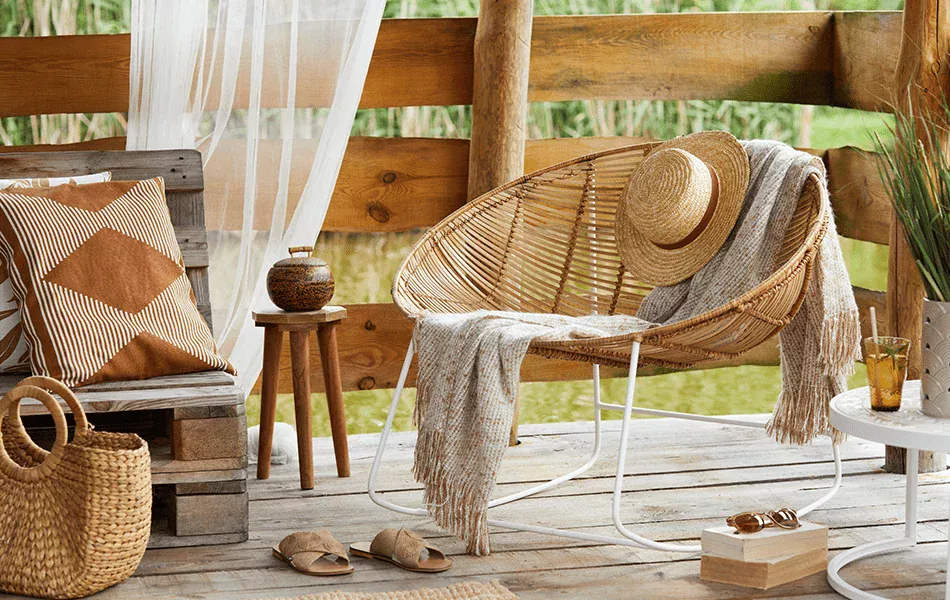
As sustainability becomes a growing priority for UK homeowners, eco-friendly interiors are moving from niche design trends to mainstream living. Modern consumers are increasingly looking for materials that not only look stylish but also reduce environmental impact. Among the most versatile and sustainable options available today are cork, bamboo, and recycled plastic.
These materials offer a compelling combination of durability, aesthetics, and environmental responsibility, making them ideal choices for contemporary British homes.
Why Sustainable Materials Matter
The environmental footprint of home renovation and interior design is often overlooked. Traditional materials can require significant natural resources, energy-intensive manufacturing, and long transportation chains.
By choosing sustainable alternatives, homeowners can:
- Reduce waste sent to landfill
- Lower the demand for virgin resources
- Support circular economy practices
- Create healthier indoor environments
- Invest in durable, long-lasting products
Perhaps most importantly, sustainable materials no longer require compromising on style. Today’s eco-conscious products can be just as elegant and sophisticated as their conventional counterparts.
Cork: Nature’s Versatile Wonder Material
Cork has experienced a remarkable resurgence in interior design over recent years. Harvested from the bark of cork oak trees without damaging the tree itself, it is one of the most renewable materials available.
Benefits of Cork in Home Décor
Cork offers several practical advantages:
- Naturally renewable and biodegradable
- Excellent thermal insulation
- Sound-absorbing properties
- Resistant to mould and mildew
- Soft and comfortable underfoot
These characteristics make cork particularly appealing in British homes where energy efficiency and comfort are important considerations.
Stylish Ways to Use Cork
Modern cork extends far beyond traditional notice boards.
Popular applications include:
- Flooring
- Wall panels
- Decorative feature walls
- Table tops
- Lighting fixtures
- Plant pots and accessories
Natural cork tones work beautifully within Scandinavian, minimalist, and biophilic design schemes, while modern manufacturing techniques allow for a wide variety of colours and finishes.
Bamboo: Strength Meets Sustainability
Bamboo has become one of the most celebrated sustainable materials in the design industry. Technically a grass rather than a tree, bamboo grows rapidly and regenerates without requiring replanting.
This rapid growth cycle makes it an attractive alternative to hardwoods.
Advantages of Bamboo
Homeowners choose bamboo because it is:
- Highly renewable
- Durable and strong
- Lightweight
- Naturally attractive
- Suitable for both traditional and contemporary interiors
Its clean grain and warm appearance complement many interior styles, from modern urban flats to countryside cottages.
Bamboo in British Homes
Bamboo can be incorporated throughout a property in various ways:
Furniture
Dining tables, shelving units, coffee tables, and chairs made from bamboo provide a stylish alternative to traditional timber products.
Flooring
Bamboo flooring offers durability comparable to many hardwood options while maintaining a warm and welcoming appearance.
Decorative Accessories
Smaller additions such as mirrors, storage baskets, blinds, and picture frames introduce sustainability without requiring major renovations.
For UK homeowners seeking a natural and sophisticated aesthetic, bamboo creates an effortlessly elegant look.
Recycled Plastic: Transforming Waste into Design
The phrase “plastic décor” may not immediately evoke luxury, but modern recycled plastic products are changing perceptions.
Thanks to advances in manufacturing technology, discarded plastic waste can now be transformed into attractive and highly functional home furnishings.
Environmental Benefits
Using recycled plastic helps:
- Reduce landfill waste
- Minimise ocean pollution
- Decrease demand for virgin plastics
- Support circular manufacturing systems
As environmental awareness continues to grow in the UK, recycled materials are increasingly valued as both practical and ethical choices.
Innovative Applications
Designers are finding creative ways to incorporate recycled plastic into interiors:
- Outdoor furniture
- Decorative panels
- Rugs and textiles
- Storage solutions
- Lighting features
- Kitchen accessories
Many products showcase vibrant colours and unique patterns created by the combination of recycled materials, giving each piece a distinctive appearance.
Combining Sustainable Materials for Modern Interiors
One of the greatest strengths of cork, bamboo, and recycled plastic is their versatility when used together.
For example:
- Bamboo furniture pairs beautifully with cork flooring.
- Recycled plastic accessories add visual interest to neutral natural palettes.
- Cork wall panels provide texture alongside sleek bamboo shelving.
- Sustainable materials can be mixed with reclaimed wood, linen, and natural stone for added character.
By blending different eco-friendly materials, homeowners can create spaces that feel both contemporary and welcoming.
Are Sustainable Materials More Expensive?
A common misconception is that sustainable design always comes with a premium price tag.
While some eco-friendly products may cost more upfront, they often deliver long-term value through:
- Increased durability
- Reduced maintenance requirements
- Better energy efficiency
- Longer product lifespans
As demand has increased across the UK market, sustainable options have also become more accessible and competitively priced.
British Eco Brands Leading the Way
The UK’s growing sustainability movement has inspired a range of innovative homeware brands that are making eco-friendly living more accessible than ever.
LIGA: Beautiful Cork-Based Homeware
Cornwall-based LIGA has built a strong reputation for creating stylish home accessories using natural cork and recycled materials. Its collections include placemats, coasters, trivets, and tableware that combine modern British design with environmentally conscious production. The company also offers products made from cork mixed with recycled rubber and beach-clean materials, demonstrating how waste can be transformed into attractive home décor.
ReBorn: Recycled Plastic Made in Britain
For homeowners interested in circular design, ReBorn produces household products from 100% recycled plastic sourced from industrial waste. Manufactured in the UK, the brand focuses on reducing landfill waste while creating practical and visually appealing storage and kitchen accessories. Its approach proves that recycled plastic can be both durable and stylish.
Bamboo Stone: Eco-Friendly Everyday Living
British retailer Bamboo Stone specialises in sustainable products made from bamboo and other environmentally responsible materials. From bamboo fibre bedding to reusable household accessories, the company demonstrates how renewable resources can replace less sustainable alternatives throughout the home.
Only Bamboo: Simple Sustainable Swaps
For consumers looking to reduce plastic use gradually, Only Bamboo promotes bamboo-based products for kitchens, bathrooms, offices, and living spaces. Its range highlights how small changes, such as switching to bamboo storage, lighting, or furniture accessories, can contribute to a more sustainable household.
Supporting Local Sustainability
Choosing UK-based eco brands can provide benefits beyond the materials themselves. Locally produced goods often involve shorter supply chains, reduced transportation emissions, and support for British businesses. As sustainability becomes increasingly important to homeowners across the UK, brands that prioritise recycled plastic, responsibly sourced bamboo, and renewable cork are helping to shape a more environmentally conscious future for interior design.
The Future of Eco-Friendly Home Design
Consumer preferences are increasingly shifting towards environmentally responsible products, and manufacturers are responding with innovation. Sustainable materials are no longer viewed as alternatives to conventional design choices. Instead, they are becoming central to modern interior trends.
Cork, bamboo, and recycled plastic demonstrate that sustainability and style can coexist beautifully. Whether you’re undertaking a full renovation or making small decorative updates, these materials offer practical ways to reduce environmental impact while creating a home that feels contemporary, comfortable, and distinctly personal.
For UK homeowners seeking a greener future, sustainable décor is no longer just a trend. It is a smart investment in both the home and the planet.