
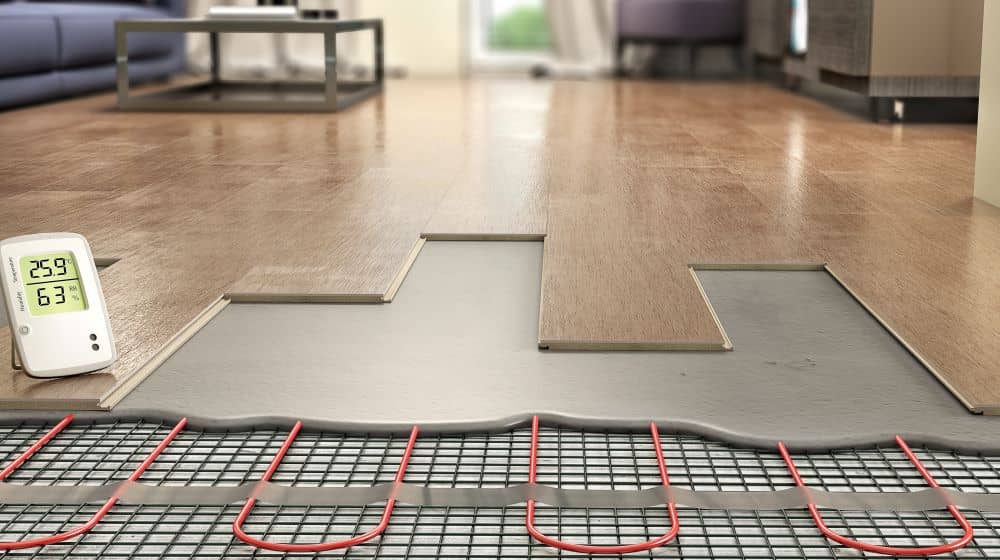
There’s nothing quite like the feeling of stepping onto a warm floor on a chilly winter morning. Underfloor heating (UFH) has transformed from a luxury indulgence into a standard feature of modern home design, prized for its energy efficiency, space-saving benefits, and consistent comfort.
But a common question stops many homeowners in their tracks: “Can I install underfloor heating under my existing floors, or do I need to tear everything up?”
The answer is: it depends. Compatibility relies on how well your flooring material conducts heat and how it reacts to temperature fluctuations. Here is your guide to understanding which floors play nice with UFH and which might cause a headache.
The “Gold Standard”: Stone, Tile, and Concrete
If you have natural stone, ceramic, porcelain, or concrete floors, you’ve hit the jackpot. These materials are the best conductors of heat.
- Why they work: They have high thermal mass, meaning they absorb heat efficiently and distribute it evenly across the room. They are also incredibly stable and won’t warp or expand when heated.
- The benefit: These floors will reach your desired temperature quickly and retain that warmth long after the system switches off.
The “Proceed with Caution” Category: Wood Floors
Wood is a popular choice, but it is a “living” material that reacts to changes in temperature and humidity. When heated, wood can shrink, expand, or warp if you aren’t careful.
- Engineered Timber: This is the best choice for UFH. Because engineered wood is constructed in layers with the grain running in different directions, it is far more stable than solid wood and better equipped to handle fluctuating temperatures.
- Solid Wood: Most manufacturers advise against using solid wood with UFH. Because it is a single piece of timber, it is prone to movement. If you are determined to use it, you must choose a stable species (like oak) and ensure the wood is kiln-dried and thin enough to allow for heat transfer.
- The Golden Rule: Always check with the flooring manufacturer for their specific “UFH compatibility” rating.
The “Trickier” Choices: Laminate, Vinyl, and Carpet
Modern technology has made it possible to heat almost any surface, but there are specific limitations you need to know.
- Laminate: Most high-quality laminate flooring is compatible with UFH. However, you must use the correct underlay designed for heating systems to ensure the heat passes through without damaging the click-lock system.
- Vinyl (LVT): Luxury Vinyl Tiles have become a DIY favorite. While they are generally compatible, you must stick to the temperature limits specified by the manufacturer (usually capped at 27°C). Excessive heat can cause the adhesive to fail or the tiles to curl.
- Carpet: It is a common myth that you can’t have carpet with underfloor heating. You absolutely can, but the Total Thermal Resistance (Tog Rating) is critical. If the combined tog rating of your carpet and underlay is too high (typically over 2.5), the heat will be trapped beneath the floor and won’t reach your room.
Three Key Questions to Ask Before You Start
Before you commit to an installation, ask your contractor these three questions:
- “What is the thermal resistance of this flooring?” If the material is too thick or dense, your heating system will have to work twice as hard to produce the same level of comfort, driving up your energy bills.
- “Is my floor rated for these temperature fluctuations?” Some materials degrade or off-gas chemicals if heated above a certain point.
- “Do I need to lift the existing floor to fit the system?” There are “low-profile” or “retro-fit” UFH systems designed to be laid directly over existing subfloors. However, lifting the floor is often necessary to ensure the best heat output and to insulate the subfloor properly so the heat goes up into the room rather than down into the foundations.
Underfloor heating is an investment in your home’s comfort and value. While almost any flooring can technically work with UFH, “compatibility” isn’t just about whether it works—it’s about how efficiently it works.
If you are renovating, choose your flooring with the heating system in mind. If you are retrofitting, involve a professional early to ensure that your beautiful finishes don’t end up warped, cracked, or simply cold.
Are you considering an underfloor heating project? Let us know in the comments which flooring material you’re hoping to use!