
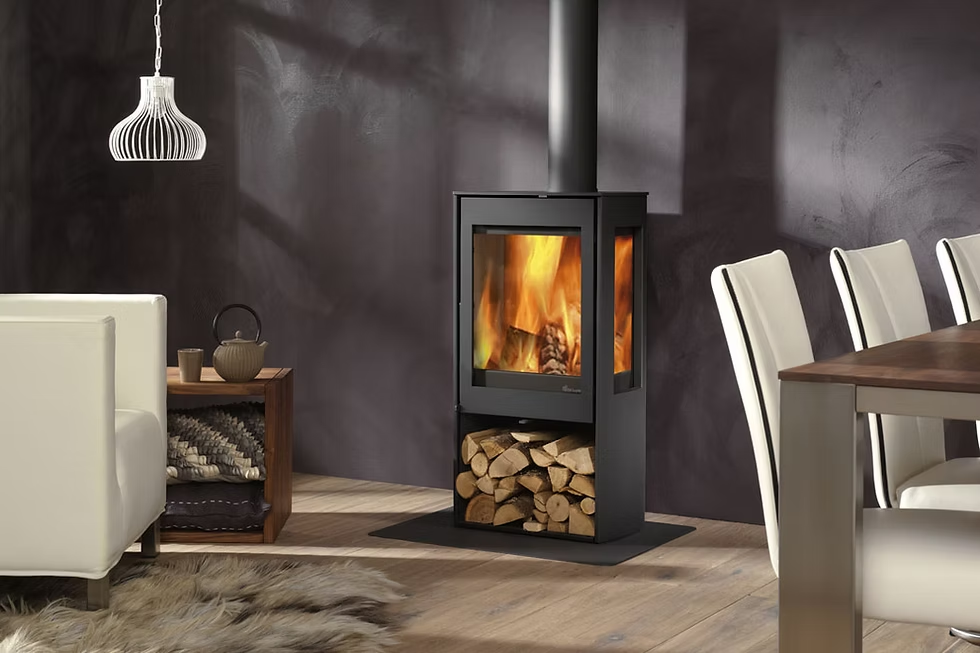
There is something undeniably magical about a wood-burning stove. As the temperature drops, the thought of curling up by a dancing flame, book in hand, is the ultimate home comfort.
However, if you’re planning to install a new stove, the process has changed. It isn’t just about choosing the right aesthetic anymore; it’s about navigating an era of stricter environmental regulations. If your goal is to heat your home sustainably while doing your part for the planet, here is what you need to know about Eco-design standards and choosing the right stove.
What is Eco-design?
In recent years, the heating industry has undergone a significant shift. The Eco-design 2022 regulation was introduced to drastically reduce particulate matter emissions from wood-burning appliances.
An “Eco-design ready” stove is engineered to be significantly more efficient than older, traditional stoves. These modern marvels are designed to burn wood more completely, meaning less smoke, fewer harmful particles released into the atmosphere, and—best of all—more heat for your home from the same amount of fuel.
Why Does This Matter to You?
Beyond the obvious environmental benefits, choosing an Eco-design stove offers tangible perks for the homeowner:
- Higher Efficiency: Traditional open fireplaces or older stoves often lose the majority of their heat up the chimney. Eco-design stoves are built for efficiency, often exceeding 80% thermal output. You burn less wood to get more warmth, saving you money in the long run.
- Cleaner Windows: A hallmark of a high-quality, modern stove is the “airwash” system. Because these stoves burn the fuel more efficiently, there is less soot and creosote buildup, keeping your glass cleaner for longer.
- Future-Proofing: With air quality regulations tightening across many regions (such as Smoke Control Areas), investing in an Eco-design stove ensures your installation meets the latest legal standards, protecting you from future restrictions.
How to Shop for Your Stove
When you start browsing, don’t just look at the design—look at the certifications. Here is a checklist for your search:
- Look for the Label: Always verify that the stove is officially certified as “Eco-design ready.” Most reputable manufacturers will display this badge prominently.
- Check the Defra Exemption: If you live in a Smoke Control Area (common in most towns and cities), you are legally required to use a “Defra-exempt” appliance. Most Eco-design stoves are also Defra-exempt, but it is a critical detail to verify before you buy.
- Size Matters (Heat Output): A common mistake is buying a stove that is too powerful for the room. A stove that is too big will lead to overheating, forcing you to “slumber” the fire (closing the air vents down), which results in inefficient burning and black glass. Use a heat output calculator or consult with a professional to ensure your kilowatt (kW) output matches your room size.
- Professional Installation: Regulations usually require the installation to be carried out or signed off by a qualified professional (such as a HETAS-registered installer in the UK). This ensures your chimney is safe, your ventilation is adequate, and your insurance remains valid.
The Fuel Factor
Even the best stove in the world won’t be eco-friendly if you burn poor-quality fuel. To keep your stove running cleanly:
- Use “Ready to Burn” Wood: Ensure your logs have a moisture content of 20% or less. Burning wet (green) wood is the biggest culprit for chimney fires and excessive smoke.
- Seasoned or Kiln-Dried: Opt for professionally kiln-dried logs to ensure the most efficient burn possible.
Final Thoughts
Transitioning to a modern, Eco-design wood-burning stove is a win-win scenario. You get the authentic, cozy atmosphere of a real fire, while resting easy knowing your home heating is as clean and sustainable as possible.
Before you make your purchase, do your research, check your local smoke control regulations, and always lean on the expertise of a professional installer. Your perfect, cozy, and responsible winter sanctuary is just one installation away!
Are you planning a fireplace renovation? Share your questions or your favorite stove styles in the comments below!