
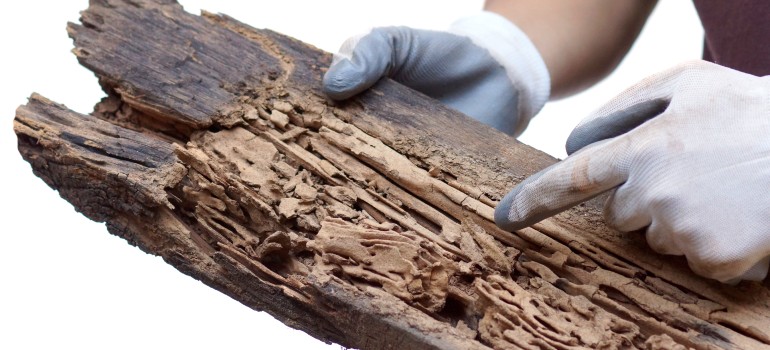
When you think of “pests,” termites and carpenter ants usually steal the spotlight. Yet wood‑boring beetles—the quiet, relentless invaders hidden inside the grain— are responsible for millions of dollars in structural damage every year. From historic buildings and timber decks to modern frames and furniture, these beetles can silently chew away at the very foundation of your home.
In this post you’ll learn:
- What wood‑boring beetles are and why they love wood.
- Early warning signs that tell you an infestation is brewing.
- Preventive strategies you can implement now, before the damage starts.
- Treatment options (chemical, non‑chemical, and integrated) for when an invasion is already underway.
- Best‑practice maintenance to keep your wood healthy for decades.
Let’s dive in—because a well‑protected structure starts with knowledge, not just chemicals.
1. Meet the Enemy: Common Wood‑Boring Beetles
| Beetle Group | Typical Species | Habitat & Host Preference | Life Cycle Highlights |
|---|---|---|---|
| Anobiidae (Death‑watch & Furniture Beetles) | Anobium punctatum (death‑watch), Xestobium rufovillosum (common furniture) | Dry, seasoned timber (floors, furniture, paneling) | Eggs laid in wood; larvae tunnel 1‑3 yr before emerging as adults |
| Bostrichidae (Powderpost Beetles) | Lyctus brunneus, Lyctus africanus | Fresh‑cut hardwood, sapwood of hardwoods (e.g., oak, ash) | Larvae develop 1‑2 yr; adults emerge in large numbers |
| Cerambycidae (Longhorn Beetles) | Monochamus spp., Anoplophora glabripennis (Asian longhorn) | Stressed or dead hardwood; often in outdoor structures | Larvae can remain hidden 2‑10 yr before pupation |
| Eucnemidae (Click Beetles) | Eucnemus spp. | Decaying wood, often in damp basements | Larvae feed on fungi‑infested wood, still cause structural loss |
Why they love wood: Beetle larvae need cellulose and lignin for nutrition, and many species prefer wood with moderate moisture (10‑20 %). The “sweet spot” is wood that’s dry enough to be stable but not bone‑dry, often found in older framing, reclaimed lumber, or poorly ventilated sections of a house.
2. Early Warning Signs – Spot the Intruder Before It Spreads
| Symptom | What It Means | How to Verify |
|---|---|---|
| Tiny round exit holes (1‑3 mm) on surfaces or the underside of boards | Adult beetles leaving the wood | Use a magnifying glass; count holes—clusters suggest active infestation |
| Fine, powdery frass (wood dust) near holes or in corners | Larval tunneling & feeding | Tap wood gently; frass may fall out. A T‑probe can extract a sample for lab analysis |
| Wood that sounds hollow when knocked | Large galleries inside | Tap with a screwdriver; a dull thud = hollow |
| Visible larvae (white, C‑shaped, 5‑15 mm) under bark or in cracks | Ongoing infestation | Gently pry bark or remove a small piece of wood for inspection |
| Unusual odors (musty, “wet wood”) | Fungal growth accompanying beetles | Smell near suspected zones; fungi often coexist with beetle larvae |
Pro tip: Conduct a bi‑annual visual audit—once in early spring before beetles emerge, and again in late summer after adults have flown.
3. Prevention: Build a Barrier Before the Beetles Arrive
3.1 Design & Construction Practices
- Select the right timber – Use heartwood (inner part) for structural members whenever possible. Heartwood contains natural tannins that deter beetles.
- Dry the wood properly – Aim for a moisture content (MC) < 12 % before installation. Use a calibrated moisture meter, not just visual cues.
- Add a protective finish – Penetrating sealers (oil‑based, low‑VOC) or epoxy coatings seal the surface and reduce moisture exchange.
- Ventilate – Ensure crawl spaces, attics, and basements have at least 1 air change per hour. Install vent grates, dehumidifiers (target RH < 55 %).
3.2 Chemical & Physical Barriers
| Barrier | Application | Longevity |
|---|---|---|
| Boron-based wood preservatives (e.g., disodium octaborate) | Brush or spray onto all exposed surfaces; pre‑treat lumber before assembly | 5‑10 yr, re‑application if heavily exposed |
| Permethrin or pyrethroid sprays | Spot‑treat high‑risk zones (basement joists, deck posts) | 1‑2 yr, may affect beneficial insects |
| Physical barriers (plastic sheathing, metal flashing) | Wrap below‑grade timber or install a sand‑filled “drainage trench” around foundations | Indefinite if maintained |
| Heat treatment (≥ 56 °C for 30 min) | Professional kiln or portable heater for salvage timber | 100 % beetle kill; no chemicals left behind |
3.3 Integrated Pest Management (IPM) Checklist
- Monitor: Place wood‑bait traps (small pine blocks) near vulnerable zones; check monthly.
- Identify: Send any frass or larvae to a local extension office for species confirmation.
- Prevent: Implement the design, moisture, and barrier steps above.
- Control: Use targeted chemical or heat treatments only when monitoring confirms active infestation.
- Document: Keep a log of inspections, treatments, and wood moisture readings.
4. Treatment Options – When Prevention Isn’t Enough
4.1 Non‑Chemical Treatments
| Method | How It Works | Pros | Cons |
|---|---|---|---|
| Heat treatment (kelvin or portable heater) | Raises wood temperature to > 56 °C, denaturing proteins in larvae and eggs | No residues; safe for occupied homes | Requires equipment; may warp thin boards |
| Cold/Freezing (≤ ‑20 °C for 48 h) | Kills larvae by ice crystal formation | Effective for small items (furniture, pallets) | Impractical for built‑in structures |
| Microwave treatment (high‑power, 2450 MHz) | Rapid heating of wood interior | Fast; low chemical use | Limited to small, accessible pieces; uneven heating risk |
| Fumigation with sulfuryl fluoride | Penetrates deep timber, kills all life stages | Proven for severe infestations | Requires sealed building, professional licensure, post‑treatment aeration |
4.2 Chemical Treatments
- Boron compounds – Ingested by larvae, disrupts metabolism. Apply as a brush‑on or spray. Safe for humans and pets when cured.
- Synthetic pyrethroids (e.g., permethrin, bifenthrin) – Contact & residual kill. Best for surface infestations on exposed framing or decks.
- Neonicotinoid soil drenches – Used for subterranean wood (e.g., fence posts). Apply to the soil around the post; the wood absorbs the active ingredient.
Application tip: Always pre‑wet the wood (light water mist) before applying a spray; this boosts uptake of water‑soluble actives like borates.
4.3 Structural Repair & Replacement
- Trim & replace heavily damaged sections (≥ 30 % cross‑section loss).
- Re‑seal all joints after replacement using a polyurethane‑acrylic hybrid for added durability.
- Consider engineered wood products (LVL, CLT) for new builds—they have higher density and are often pre‑treated during manufacturing.
5. Maintenance Plan: Keep Your Wood Beetle‑Free for Decades
| Frequency | Action | Tools Needed |
|---|---|---|
| Monthly (summer months) | Inspect exterior wood (deck, porch) for cracks, moisture pooling, and fresh exit holes | Flashlight, moisture meter |
| Quarterly | Run a dehumidifier in basements/attics; check RH levels | Hygrometer, dehumidifier |
| Bi‑annual | Conduct a thorough visual audit of all interior framing (crawl space, basement) | Ladder, inspection mirror |
| Annually | Re‑apply boron treatment to any newly exposed wood after remodeling | Boron concentrate, brush/spray |
| Every 5 yr | Professional heat or chemical treatment of high‑risk structures (e.g., timber frames) | Contractor service |
Record‑keeping: Create a simple spreadsheet: Date – Area inspected – Findings – Action taken – Follow‑up date. Over time this becomes a powerful early‑warning system.
6. Eco‑Friendly Angle: Protect Wood, Protect the Planet
- Use reclaimed wood wisely: Re‑season reclaimed timber (dry to < 12 % MC) before installation to kill any hidden larvae.
- Choose low‑VOC preservatives: Borates and natural oils (e.g., tung, linseed) have minimal impact on indoor air quality.
- Encourage beneficial insects (e.g., parasitoid wasps) in surrounding landscaping—they naturally suppress beetle populations.
7. Frequently Asked Questions (FAQ)
Q1: Are wood‑boring beetles dangerous to humans?
A: The beetles themselves are harmless, but the structural damage they cause can lead to unsafe conditions (e.g., sagging floors). Some species also foster mold growth, which can affect indoor air quality.
Q2: Can I treat a beetle infestation myself with DIY products?
A: For minor, localized issues (a few exit holes on a deck) a DIY borate spray can be effective. However, once larvae have spread deep into structural members, professional heat or fumigation treatment is usually required.
Q3: How long does it take for a beetle lifecycle to complete?
A: Depending on the species and temperature, anywhere from 6 months (powderpost beetles in warm climates) to 10 years (some longhorn beetles). This is why early detection is critical.
Q4: Will painting over wood stop beetles?
A: Painting can slow infestation by sealing surface cracks, but it does not kill larvae already inside. Combine paint with a borate pre‑treatment for best results.
8. Take Action Today
- Grab a moisture meter and check the MC of any exposed timber in your home.
- Apply a borate solution to any wood that reads > 12 % MC before you paint or seal it.
- Schedule a professional inspection if you find more than three exit holes in any single piece of wood.
Protecting your wooden structures isn’t a one‑time chore—it’s a continuous stewardship. With the right knowledge, tools, and an integrated pest‑management mindset, you can keep wood‑boring beetles at bay and safeguard the beauty and integrity of your home for generations.
Stay tuned for our upcoming posts on “Seasonal Wood Care” and “Choosing the Right Wood Preservative for Historic Homes.”