When homeowners in the UK look for extra living space, three options usually stand out: a garden room, a conservatory, or an orangery. While all three can add value, functionality, and visual appeal to a property, they serve different purposes and suit different lifestyles.
Understanding the key differences between these structures can help you make a smarter investment and ensure your new space meets both your practical needs and long-term goals.
What Is a Garden Room?
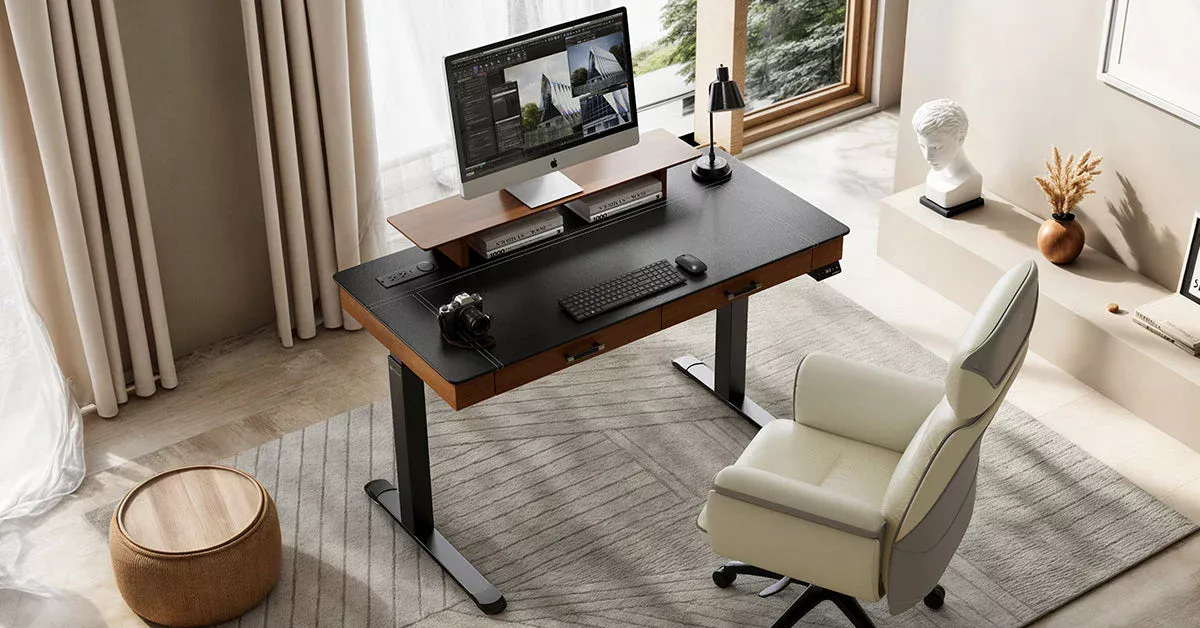
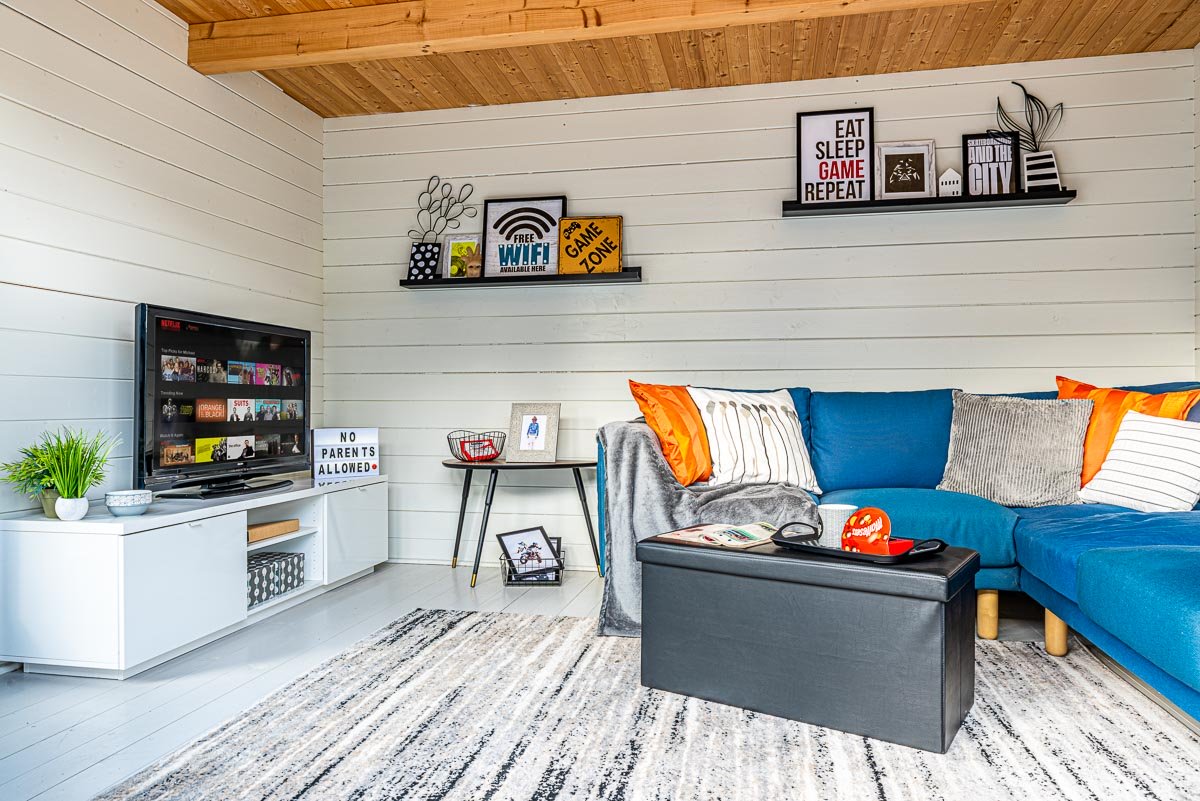
A garden room is a standalone building located in the garden, separate from the main house. Modern garden rooms are designed for year-round use and often include high-quality insulation, double glazing, electricity, heating, and internet connectivity.
Today’s garden rooms are commonly used as:
- Home offices
- Home gyms
- Creative studios
- Guest accommodation
- Entertainment spaces
- Garden bars
- Wellness retreats
Unlike traditional sheds, modern garden rooms are built to residential standards, offering comfort in both summer and winter.
Advantages of a Garden Room
✅ Creates a completely separate workspace
✅ Excellent for remote working
✅ Minimal disruption to the main house
✅ Provides privacy and quiet
✅ Usually quicker to install than a home extension
✅ Can increase property appeal
Potential Drawbacks
❌ Requires outdoor space
❌ Slightly less convenient than a room attached to the house
❌ May need planning permission in specific circumstances
What Is a Conservatory?
A conservatory is an extension attached directly to a property, featuring predominantly glazed walls and a glazed roof. Conservatories became extremely popular in the UK during the late 20th century thanks to their affordability and ability to flood interiors with natural light.
Conservatories are commonly used as:
- Sunrooms
- Dining areas
- Casual lounges
- Indoor gardens
- Reading spaces
Advantages of a Conservatory
✅ Lower initial cost
✅ Fast construction process
✅ Abundant natural light
✅ Seamless connection to the house
✅ Suitable for smaller budgets
Potential Drawbacks
❌ Can become very hot in summer
❌ May be cold during winter
❌ Often less energy-efficient than modern alternatives
❌ Reduced usability throughout the year
Even with modern glazing technology, many conservatories still experience temperature fluctuations compared with fully insulated structures.
What Is an Orangery?
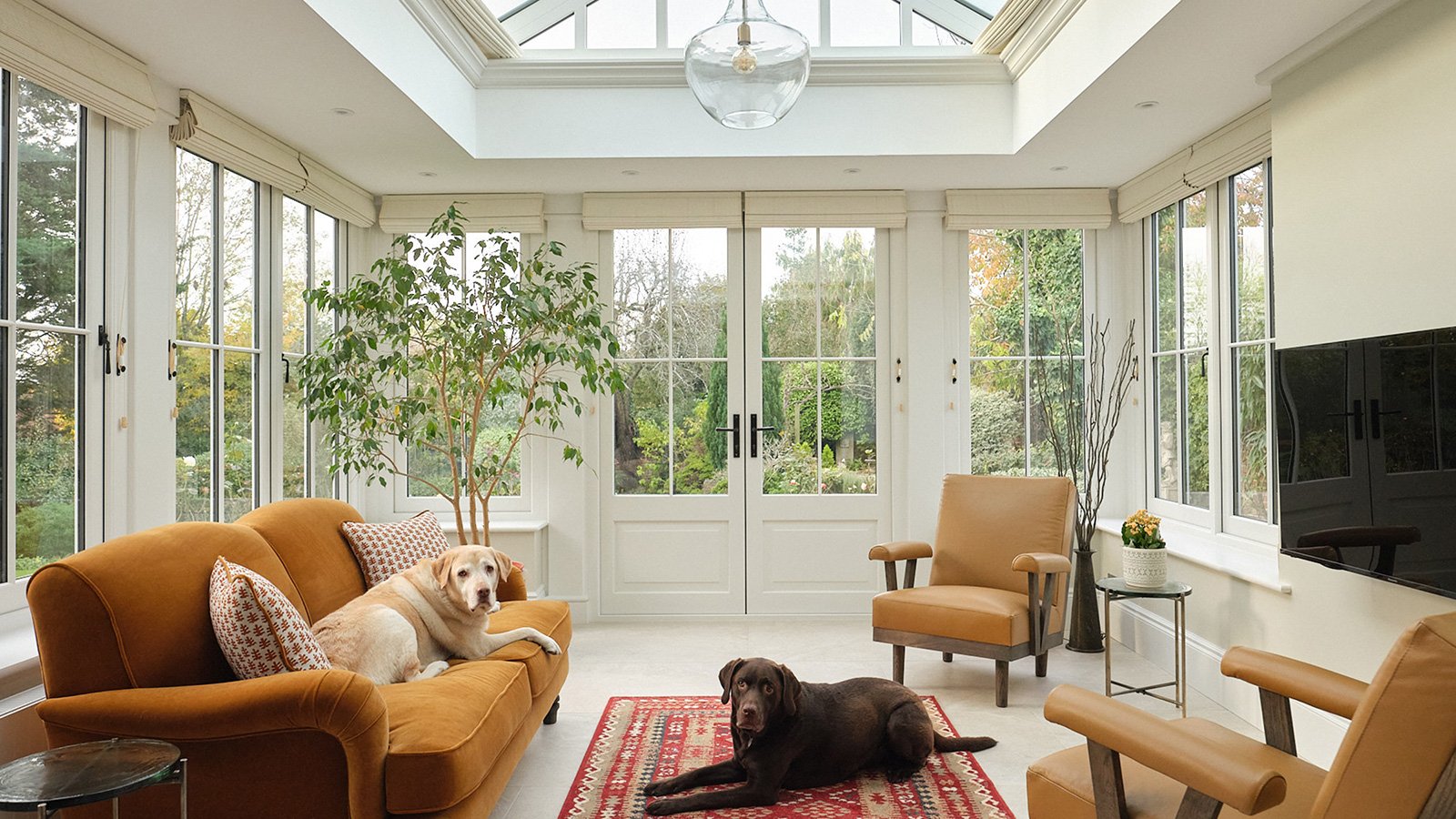
An orangery combines features of a traditional extension and a conservatory. Historically, orangeries were used to protect exotic fruit trees during colder months. Modern versions feature more brickwork and solid construction than conservatories, while still incorporating large windows and roof lanterns.
Typical uses include:
- Luxury dining rooms
- Family rooms
- Kitchen extensions
- Open-plan living spaces
- Entertaining areas
Advantages of an Orangery
✅ Premium appearance
✅ Better insulation than conservatories
✅ Increased property value
✅ More suitable for year-round use
✅ Creates a luxury extension feel
Potential Drawbacks
❌ Higher construction costs
❌ Longer build times
❌ May require planning approval
❌ More complex installation process
Garden Room vs Conservatory vs Orangery: Key Comparison
| Feature | Garden Room | Conservatory | Orangery |
|---|---|---|---|
| Location | Separate building | Attached to house | Attached to house |
| Year-Round Use | Excellent | Moderate | Excellent |
| Thermal Efficiency | High | Low to Medium | High |
| Privacy | Excellent | Limited | Moderate |
| Construction Time | Fast | Fast | Longer |
| Typical Cost | Medium to High | Low to Medium | High |
| Property Value Impact | Good | Moderate | Excellent |
| Home Office Suitability | Excellent | Fair | Good |
| Natural Light | Good | Excellent | Very Good |
| Maintenance | Low | Medium | Medium |
Which Option Offers the Best Value?
The answer depends on how you plan to use the space.
Choose a Garden Room If:
You want:
- A dedicated home office
- A gym or studio
- A private workspace
- Separation from household distractions
- Maximum flexibility
Garden rooms have become increasingly popular with remote workers because they create a clear distinction between work and home life without requiring a costly house extension.
Choose a Conservatory If:
You want:
- The most budget-friendly option
- A bright relaxation space
- Additional casual living space
- A quick home improvement project
A conservatory remains an attractive choice if your primary goal is enjoying natural light and creating a sun-filled room.
Choose an Orangery If:
You want:
- A premium extension
- Extra family living space
- A luxury kitchen-diner
- Improved property value
- A room that feels like a true part of the home
An orangery typically delivers the best balance between aesthetics, comfort, and long-term performance.
Energy Efficiency Comparison
Modern homeowners are increasingly concerned about insulation and energy costs.
Garden Room
High-performance insulation in walls, floors, and roofs enables comfortable use throughout the year with relatively low heating requirements.
Conservatory
Traditional conservatories often lose heat quickly during winter and gain excessive heat during summer. Modern glazing helps improve efficiency but rarely matches fully insulated structures.
Orangery
The combination of masonry walls and insulated roofing generally provides better thermal performance than a conservatory while preserving a bright, open feel.
Impact on Property Value
Many homeowners view additional living space as an investment.
Garden Room
A professionally installed garden room can increase property appeal, especially among buyers seeking flexible work-from-home solutions.
Conservatory
While a conservatory may add value, buyers often assess its practicality and year-round usability before assigning a premium.
Orangery
Orangeries are frequently regarded as premium extensions and can significantly enhance a property’s perceived quality and market attractiveness.
Planning Permission Considerations
Many garden rooms and conservatories can be constructed under permitted development rights, depending on size, height, location, and property type.
However, requirements vary across the UK. Before starting any project, homeowners should consult their local planning authority or a qualified building professional to confirm compliance with current regulations.
Which Is Best?
There is no universal winner because each option serves a different purpose.
- Garden Room: Best for remote work, hobbies, wellness spaces, and privacy.
- Conservatory: Best for budget-conscious homeowners who want maximum natural light.
- Orangery: Best for luxury living space, family use, and long-term property enhancement.
For most modern households seeking versatility and year-round comfort, a garden room or orangery often delivers greater practical value than a traditional conservatory. The right choice ultimately depends on your budget, available space, lifestyle requirements, and future property goals.
If you’re planning to create additional living space that remains comfortable throughout every season, carefully comparing these three options before investing can help ensure the best return for both your home and your quality of life.