
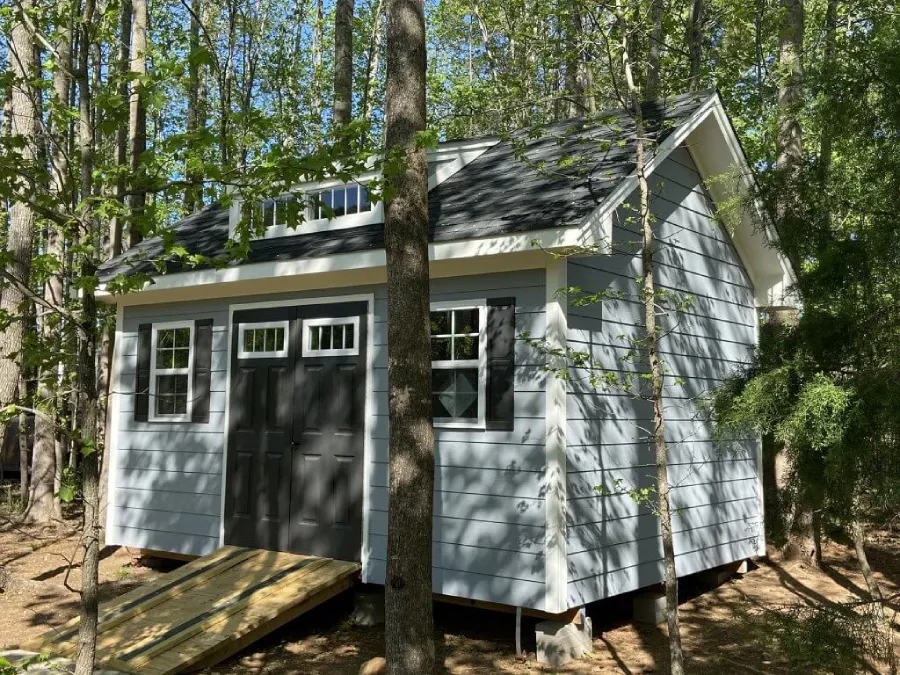
There is very little that beats a good timber outbuilding. Whether it’s a dedicated home office, a potting shed, a summerhouse, or a robust workshop, a wooden structure adds both charm and practical space to a British garden.
However, anyone who has spent a British winter peering out of a misty window will know the grim reality of our climate: it is wet. Perpetually, stubbornly wet.
In the UK, damp is the enemy of timber. Left unprotected, moisture gets into the wood, creating a breeding ground for fungi, mold, and wood-boring insects, ultimately leading to rot. The good news? With a bit of proactive maintenance and the right protection, your timber outbuilding can easily outlive the mortgage.
Here is your ultimate guide to keeping your wooden outbuilding dry, sound, and rot-free.
Start at the Bottom: The Foundation Matters
Moisture doesn’t just fall from the sky; it rises from the ground. If your outbuilding is sitting directly on soil or damp grass, it’s essentially drinking water like a sponge.
- Raise it up: Ensure your shed or cabin sits on a solid, level base of concrete, paving slabs, or treated timber bearers. This creates a vital air gap between the damp ground and the bottom of your building.
- Keep vegetation clear: Don’t let ivy, tall grass, or flowerbeds crowd the base of the walls. Vegetation traps moisture against the timber and restricts airflow, preventing the wood from drying out after rain.
Choose the Right Treatment (And Reapply It)
When buying a timber outbuilding, check how it was treated. Dip-treated sheds only have surface protection and need retreating almost immediately and annually thereafter. Pressure-treated timber has preservative forced deep into the grain and offers much better longevity, though it still requires waterproof maintenance.
- Water-repellent vs. Preservative: Traditional creosote is largely banned for residential use, but modern alternatives like solvent-based and water-based treatments are readily available. Look for products that are explicitly water-repellant and contain fungicides and insecticides.
- The “Beading” Test: How do you know when it’s time to re-treat? Splash a little water on the walls. If it beads up and rolls off, your protection is holding. If the water soaks into the wood and darkens it, it’s time to roll up your sleeves and apply a fresh coat.
Don’t Ignore the Roof and Gutters
Gravity is your biggest ally, provided your roof is doing its job. A leaking roof is the fastest way to invite wet rot into the framework of your building.
- Check the felt: Standard mineral felt usually lasts around 5 to 10 years. Look out for rips, sagging, or lifting edges. If it’s damaged, patch it or upgrade to a more durable roofing material like rubber (EPDM) or shingles.
- Install guttering: Rainwater cascading off a roof straight onto the base of your walls will constantly splash moisture back onto the lower panels. Fit simple plastic gutters and direct the runoff away from the building via a water butt or drain.
Ventilation: Breathe Easy
It sounds counterintuitive, but sealing a wooden building completely airtight is actually a recipe for disaster. If air can’t circulate, condensation builds up on the inside walls from breathing, kettle boiling, or simply temperature fluctuations. This leads to condensation dampness and mold.
- Fit air vents: Install at least two opposing air vents (ideally covered with fine mesh to keep bugs out) to encourage cross-ventilation.
- Manage internal moisture: If you use your outbuilding as a gym, workshop, or office, avoid drying wet clothes in there. If you have electricity, consider a small dehumidifier for the dampest winter months.
Seal the Vulnerable Gaps
Water loves to find the path of least resistance. Windows, doors, and corner joints are prime entry points for driving rain.
- Caulk and seal: Use exterior-grade silicone sealant around window frames and door frames where gaps might have opened up as the timber expanded and contracted through the seasons.
- Drip moulds: Ensure your doors and windows have “drip moulds” (small wooden overhangs above the frame) that force rainwater to drip down away from the seal, rather than running straight down the glass and into the threshold.
Know Your Enemy: Spotting Rot Early
Despite your best efforts, vigilance is key. Inspect your outbuilding thoroughly twice a year (ideally in spring and autumn). Look out for:
- Dark patches or discoloration in the wood.
- Soft or spongy timber (press gently with a flathead screwdriver; if it sinks in, you have rot).
- A musty, damp smell inside the building.
If you find rot, don’t panic. Small areas can often be cut away and treated with a wood hardener and exterior filler, followed by a thorough dose of wood preservative.
Protecting a timber outbuilding from the British weather isn’t a one-off job; it’s a routine. By keeping it off the ground, ensuring good airflow, managing roof runoff, and committing to an annual coat of wood treatment, you’ll protect your investment and ensure your garden room remains a cozy, dry sanctuary for decades to come.
Got a tip for keeping your shed dry through the British winter? Let us know in the comments below!