
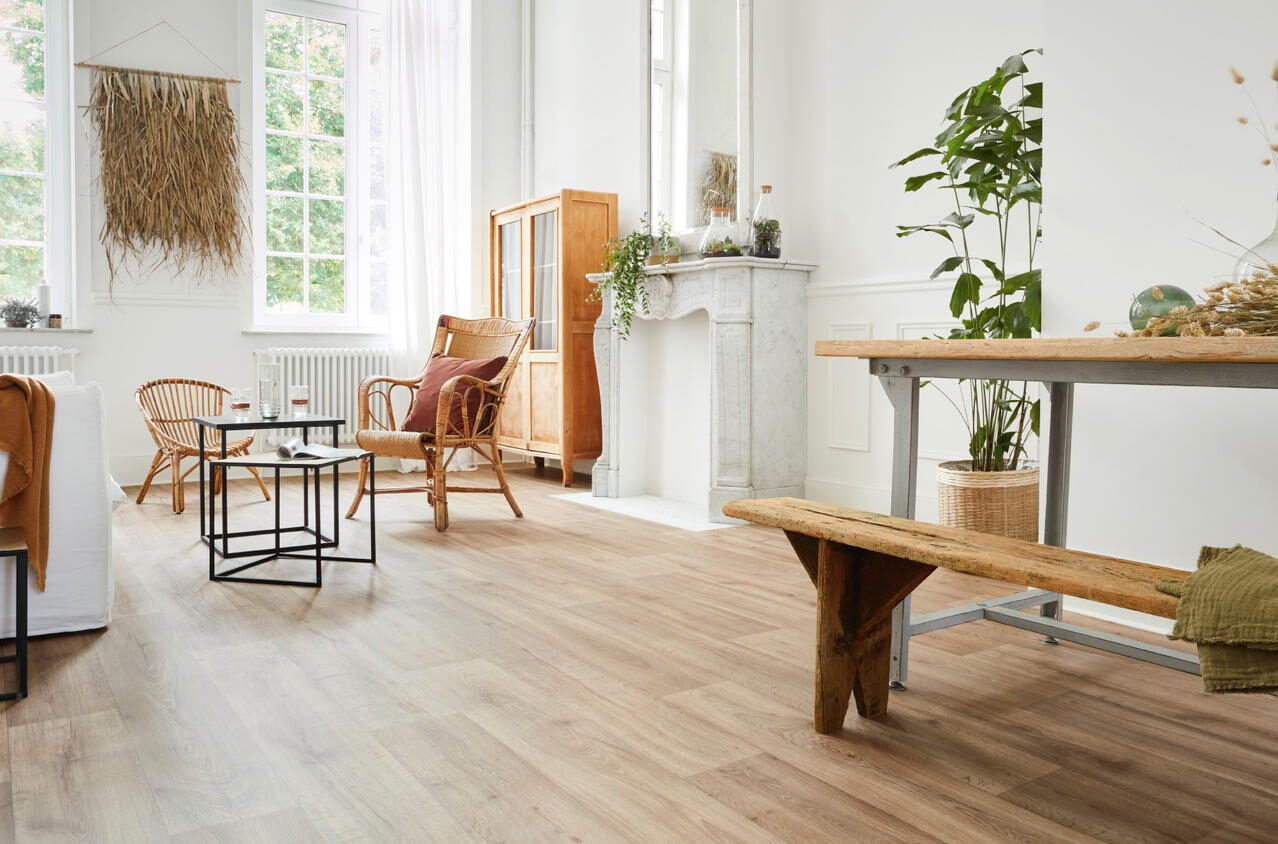
Choosing the right flooring is akin to laying the foundation for a home’s personality. It’s a decision that goes far beyond aesthetics, delving into the realms of durability, maintenance, and the very way a room feels underfoot. Just as a forest floor changes from mossy earth to polished stone, the ideal flooring for each space in your home should reflect its unique function and character. It is a canvas upon which all other design elements rest, and selecting it with care can elevate a house from a simple structure to a sanctuary.
The Great Hall and Living Spaces: Where Form Meets Function
The living room, the heart of the home, demands a flooring solution that is both beautiful and resilient. This is where family gathers, guests are entertained, and life unfolds.
- Hardwood: The Timeless Classic: Hardwood flooring offers an unparalleled warmth and elegance. Its natural grain patterns and rich tones create a sense of permanence and classic style. While it can be more susceptible to scratches and wear, its ability to be refinished multiple times makes it a long-term investment. It’s ideal for those who value tradition and a connection to nature.
- Laminate: The Versatile Impersonator: Laminate has evolved far beyond its humble beginnings. Today, it can convincingly mimic the look of hardwood, stone, or tile at a fraction of the cost. Its key advantage lies in its remarkable durability and resistance to scratches and spills, making it an excellent choice for high-traffic areas where life can get a little messy.
- Luxury Vinyl Plank (LVP): The Modern Marvel: LVP offers the best of both worlds. It captures the authentic look of wood or stone with a material that is 100% waterproof and incredibly durable. This makes it a perfect solution for open-concept spaces that flow from the living room into the kitchen, providing a seamless look without sacrificing performance.
The Kitchen and Bath: The Challenge of Water and Wear
These are the most demanding rooms in the house, where spills, splashes, and heavy foot traffic are a daily reality. The flooring here must be waterproof, slip-resistant, and easy to clean.
- Tile: The Indestructible Artist: Ceramic and porcelain tiles are the undisputed champions of the wet areas. They are waterproof, incredibly tough, and come in an endless variety of sizes, shapes, and colors. From a sleek, modern porcelain to a rustic terra cotta, tile allows for complete creative freedom while providing the ultimate in durability.
- Natural Stone: The Earth’s Elegance: Materials like slate, marble, and travertine bring a touch of natural luxury to a bathroom or kitchen. Each piece is unique, offering a one-of-a-kind look. While they require sealing to prevent staining and are generally more expensive, their timeless beauty and solid feel are unmatched.
- Luxury Vinyl Tile (LVT): The Smart Solution: Similar to LVP, LVT is a fantastic waterproof alternative to traditional tile. It is warmer underfoot than ceramic and is often easier to install, making it a popular choice for those seeking a practical yet stylish option.
The Bedroom: A Sanctuary of Comfort
The bedroom is a retreat, a space dedicated to relaxation and tranquility. The flooring here should prioritize comfort, warmth, and sound absorption.
- Carpet: The Plush Embrace: Nothing whispers “cozy” quite like carpet. It provides a soft, warm surface for bare feet, absorbs sound, and comes in a myriad of colors and textures. It is the classic choice for a bedroom, creating a plush and inviting atmosphere.
- Hardwood or LVP with Rugs: For those who prefer the clean look of hard flooring, a beautiful hardwood or LVP can still work wonderfully in a bedroom. The key is to layer it with large, soft area rugs to add warmth, define the space, and provide a comfortable surface to step onto in the morning.
Choosing the right flooring for each room is a deeply personal journey, one that should be guided by a balance of practicality and personal style. By understanding the unique demands of each space and exploring the wide range of materials available, you can create a home that is not only beautiful to behold but also a joy to live in, from the ground up.