
The dream of building your own home from the ground up is an exciting one. You get to choose every detail, from the layout of the kitchen to the energy efficiency rating of the walls. However, once you start looking at the financing, you’ll quickly realize that a “standard” residential mortgage won’t cut it.
If you’re embarking on a self-build project, you need a self-build mortgage. But what exactly makes them different from the loan you’d use to buy an existing house? Here is a breakdown of the key differences.
The Release of Funds (The “Stage Payment” System)
The most significant difference between a standard mortgage and a self-build mortgage is when the money is released.
- Standard Mortgage: When you buy an existing home, the bank releases the full amount of the loan to the seller’s solicitor on the day of completion. You get the keys, and you move in.
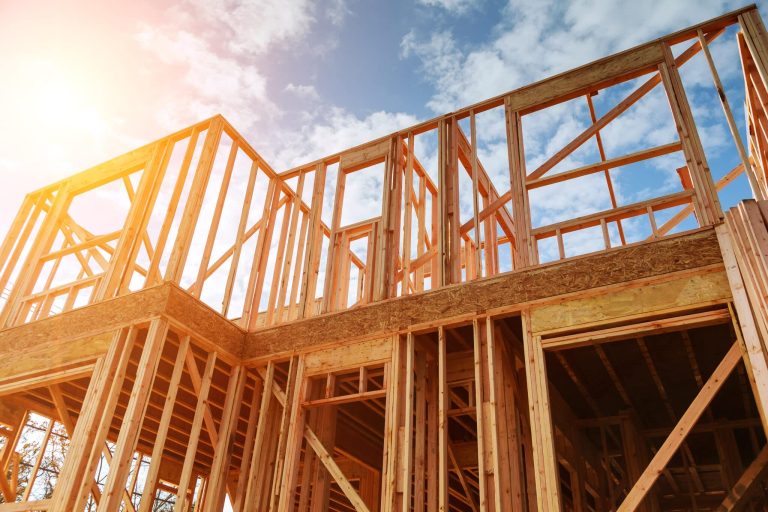
- Self-Build Mortgage: You don’t get the money upfront. Instead, the lender releases the funds in stages as the build progresses. Typically, these stages are:
- Purchase of the land (if applicable).
- Foundations.
- Wall plate/roof level.
- Wind and watertight.
- Completion.
Lenders will usually send a surveyor to inspect the progress at each stage before releasing the next chunk of cash.
Available Capital (Arrears vs. Advance)
There are two ways lenders release these stage payments, and it’s vital to know which one you are choosing:
- Arrears Stage Payments: This is the most common method. The lender releases the money after each stage is completed. This means you need to have a significant amount of cash (or a short-term bridging loan) to pay the builders for the work before the bank reimburses you.
- Advance Stage Payments: Some lenders offer these, where they release the money before each stage begins. This is much friendlier for your cash flow but can be harder to secure, often requiring a larger deposit or a very robust project plan.
The “Stress” of the Application
Applying for a standard mortgage is largely based on your income, credit history, and the property’s valuation. Applying for a self-build mortgage is a much more intensive process.
Beyond your personal financial details, the lender will want to see:
- Detailed Planning Permission: They won’t lend a penny until the local authority has approved your plans.
- A “Build Cost” Estimate: You will need a full breakdown of costs from your architect or quantity surveyor.
- Professional Indemnity: Often, lenders will require you to have structural warranties (like NHBC) or certificates from professional architects/engineers overseeing the build.
Interest Rates and Fees
Because self-build mortgages carry more risk for the lender (e.g., the project could run over budget, or the builder could go bust), they are generally more expensive than standard residential loans.
- Interest Rates: Expect the interest rate to be slightly higher than those on the high street.
- Arrangement Fees: Because of the administrative burden of monitoring a build, arrangement fees can be higher.
- Valuation Fees: You will likely have to pay for multiple inspections throughout the project, which adds to the overall cost.
Transitioning to a Standard Mortgage
The good news is that a self-build mortgage is usually a temporary arrangement. Once your home is certified as complete and has received its final sign-off (often a “Certificate of Occupancy”), you can typically “re-mortgage” onto a standard residential mortgage product. This allows you to access lower interest rates and standard repayment terms once the risk of the construction phase is behind you.
A self-build mortgage is a financial tool specifically designed to manage the risk and cash flow requirements of construction. While the application process is more rigorous and the funds aren’t as accessible as a standard loan, it is the essential bridge between an empty plot of land and your dream home.
Pro-tip: Before you buy that plot, consult with a mortgage broker who specializes in self-builds. They can help you navigate the complex world of stage payments and ensure you have a cash-flow plan that won’t leave your build stalled halfway through.